
It’s BI Week! ❤️ Dedicated to all BI persons💕
Collective amnesia makes us feel as if there are no bi people in history. That is, until we see that bi people have been there all along, they’ve just been mislabeled or left out of the narrative. Bisexuality is the sexual and/or romantic attraction to multiple genders.
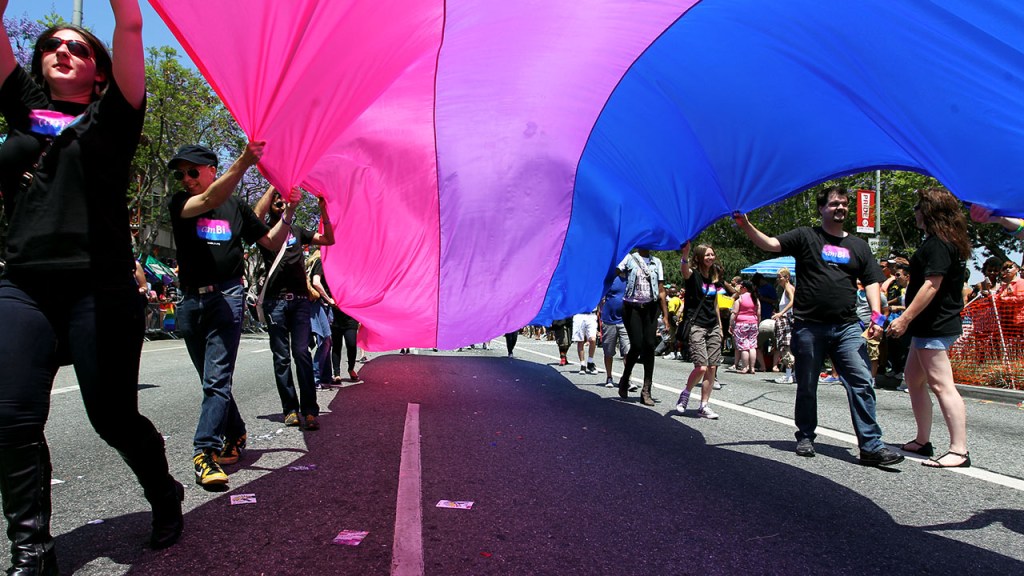
Nestled within the term bisexual are other labels, including pansexual, omnisexual, and polysexual. Which term people use is almost entirely down to preference, although sometimes the choice is driven by an ahistorical misconception that the bi in bisexual reinforces a gender binary and excludes trans and nonbinary people.One reason why we might “forget” bisexuals is because those who are attracted to people of multiple genders rarely call themselves bi. Historically, there have been a number of reasons for this, including wanting to avoid discrimination and stigma. There have long been toxic misconceptions of bisexual people as promiscuous and unfaithful, in a confused state of sexual transition or experimentation, lying about their attractions for attention or to attract men (particularly bi women), or simply adhering to some sort of trend (particularly young people).Being bi could also get you kicked out of your local queer space. Bisexuality introduces nuance, which has always made it easier to discard than accommodate it. In tough times, when queer people were fighting for their lives and for basic legal protections, some gay rights groups strategically rejected bisexual people.
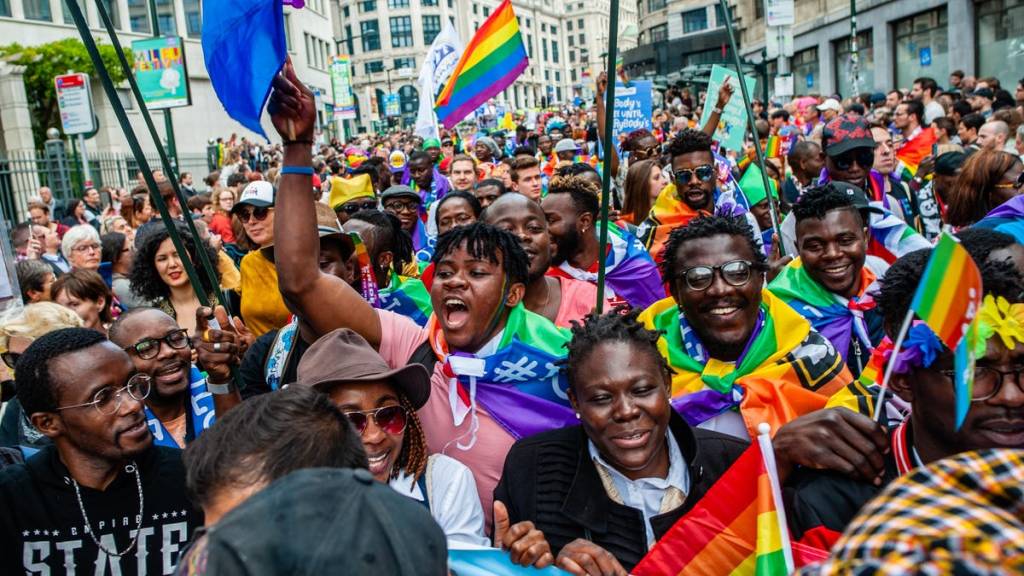
The month of September is dedicated to bisexual identity, relationships, and community! While we’re taking this particular time to celebrate bisexuality and its integral role in the LGBTIQ+ community, we must also take this time to become more aware of the independent struggles that bi, pan, and other non-monosexual/monoromantic people Face.
The situation in Cameroon becomes more confusing as the existing legislation criinalises blindly same sex activities even though the statement within the context of the law remains vague as it stipulates “any one caught having sexual relationship with a person of the same sex shall be punished with imprisonment for from 6months to 5 years with a fine of from 20000frs to 200000frs” thus making it more confusing because the fundamental question remains, how will you catch two people having sex if they are in their closed private space, the trend has been people breaking in and removing two lovers from their private space, so the nature of Biphobia is alarming in Cameroon.
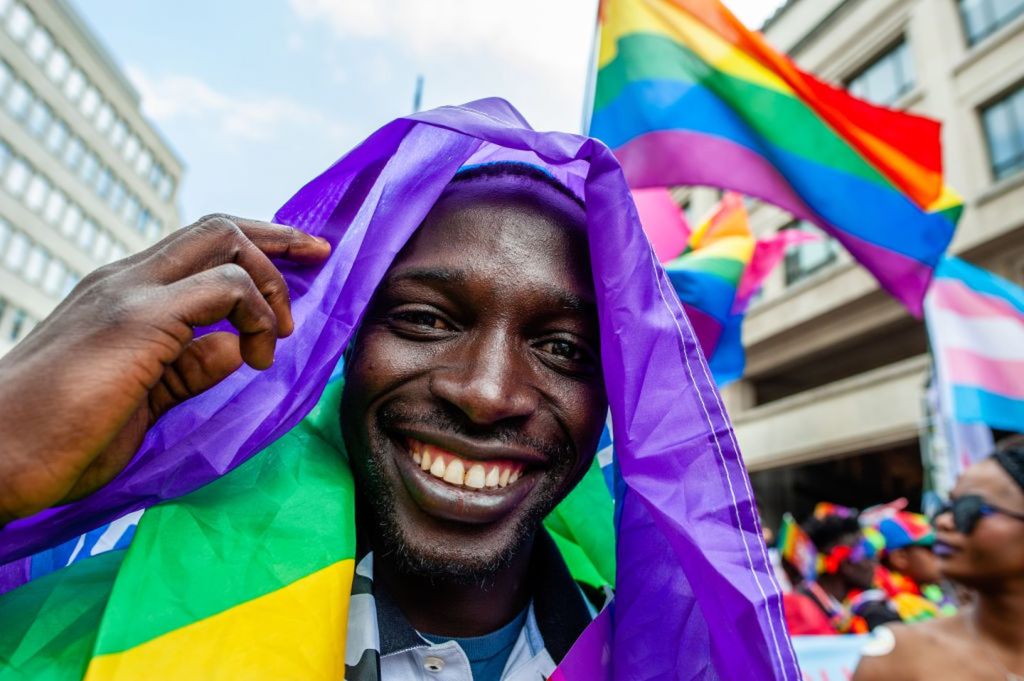
Bisexual erasure is the invisibilization of bisexual identity, and microaggressions against bi folks are rampant within and outside the LGBTIQ+ community. These actions, while they may be well-intentioned, can perpetuate a mentality of gatekeeping that we’re not About. Just like other countries will be fully engaged in celebrating BI week, it is however going to be a different narrative in most parts of the world where Punitive Laws against LGBTIQ persons still exist Four out of five African countries have laws criminalising homosexuality and the public expression of sexual or gender behaviour that does not conform with heterosexual norms. These same laws even sometimes punish LGBTI (lesbian, gay, Bisexual, trans, intersex) rights advocacy.
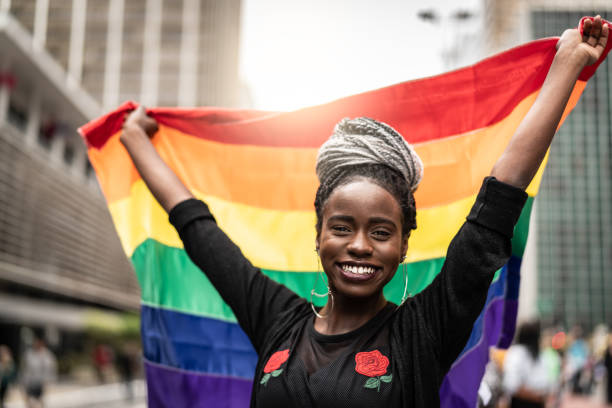
Some African countries have partly decriminalised LGBTI persons or given them better protection. However, across the continent – with the notable exception of South Africa – such persons are still far from fully enjoying the same rights as other citizens reasons why bisexuality Week will be celebrated low key for security reasons. Furthermore, recent years have seen the emergence of a worrying trend: the adoption of tougher legislation coupled with clapdowns on the bisexual community who are often discriminated upon and humiliated by fmikly or their spouse when they discover their bi nature. An argument frequently used in support of discriminatory legislative and other measures targeting LGBTI persons is that non-conforming sexual orientations and gender identities were brought to Africa by Western colonisers and are contrary to the ‘African values’. With the exception of South Africa where LGBTIQ person are allowed by the constitution to exercise their sexuality/sexual orientation freely, the question of diversity and tolerance remains a major problem in most African countries even though Bisexual persons are endowed with super Amazing potentials and qualities, most of them prefer to keep their sexual orientation private as it could jeopardize their career or relationships.
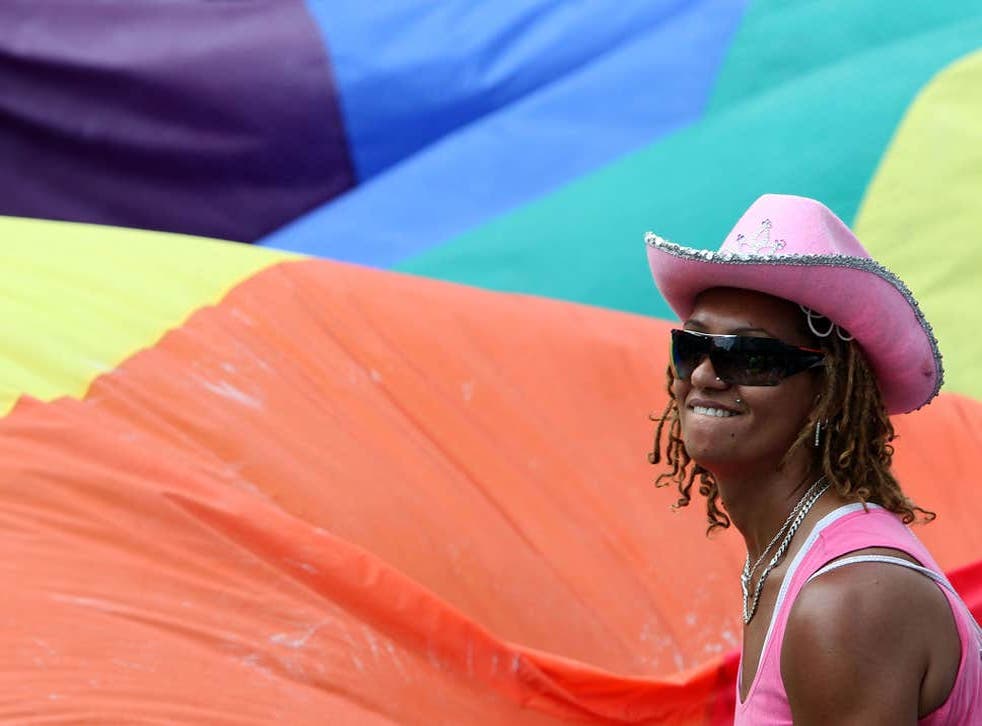
People have often asked this rhetorical question “if Homosexuality is criminalized in almost all of Africa then where are Bisexual persons in all of this, or there exisit non ?” the answer to this will be surprising but LGBTIQ persons consitute a vast majority of the population but will rather live in hiding and fear due to existing Punitive Laws. Even though over the years countries have been trying to weaken their legislation regarding same-sex sexual activities, South Africa remains the only country where living freely and getting married as an LGBTIQ person is permitted by law. South Africa is one of the few African countries that has been less defiant and more tolerant to the LGBTIQ community and more importantly to the Bisexual community and one of the only countries that has produced many talented singers, stars and persons of high influence who /are bisexual persons. The country has by far experienced an increase in the number of cases of people coming out. Surprisingly, the paradox that South Africa’s gay, lesbian, and bisexual movement, although opposed by the vast majority of the population, has progressed much faster since democratisation in 1994 than other movements worldwide. Why have the movement’s legal victories – especially on same-sex marriage, which is little-discussed in the scholarly literature – not been overturned by a hostile public? My answer considers the political alignments of the post-apartheid era, the tactical responses of the movement and its opponents, and the attempts of both sides to site their arguments within the broader master-frames of liberation or tradition. The LGBTIQ movement has succeeded because stable political alignments allow it to concentrate on lobbying and litigation, where it has compellingly argued that its own agenda dovetails with that of the ruling elite. The countermovement, in contrast, has focused on electoral politics, has lacked internal cohesion, and has been unable to craft a message that resonates with the beliefs and values of post-apartheid nationalism – weaknesses that to date have impeded popular opposition from interfering with the LGBTQ movement’s legal victories and that are likely to continue doing so. South Africa has a record of celebrities and politicians “coming out” to the public as LGBTIQ persons with the example of Popular Brenda Fassie of Blessed memory.
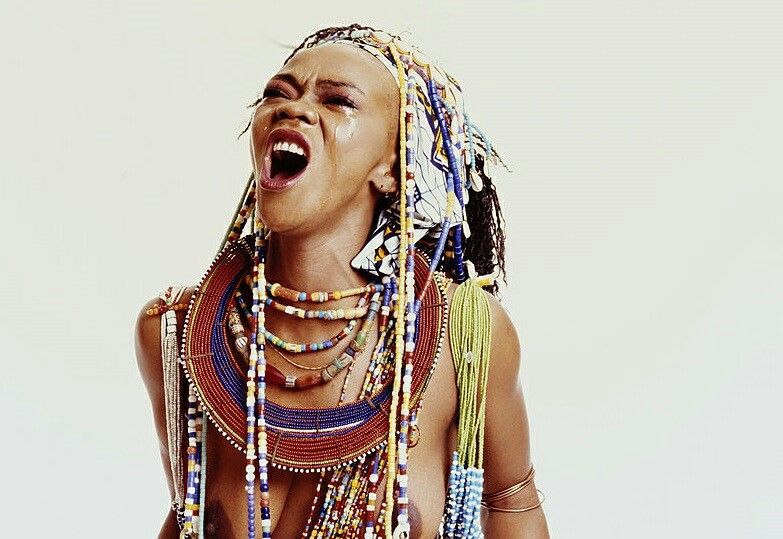
Here I will be examining one of such prominent celebrities by name Somizi Buyani M. who came out as Bisexual, his most famous works and the impact he has created both nationally and internationally.Somizi Buyani Mhlongo with a networth of over $ 5million as of 2022 (born 23 December 1972) is a South African media personality, television presenter, actor and choreographer. In 1992, he appeared on the musical and political film, Sarafina! which gained him prominence. He has been lead choreographer for numerous shows and events, including the opening and closing ceremonies for the 2010 FIFA World Cup and 2013 Africa Cup of Nations. He has a 27 years old daughter with Palesa Madisakwane by name Bahumi Madisakwane. He later on got married married to Mohale Motaung (2019_2021) another South Male African celebrity.

Mhlongo has also appeared in several films including drama film Cry, the Beloved Country (1995) as well as various television shows, including Idols South Africa and V Entertainment.Mhlongo has featured on the television series Tarzan: The Epic Adventures in 1996. His biggest judging duty was when he was appointed as the new judge for the eleventh season of Idols South Africa. He was also a lead judge on the former SABC 1 competition show Dance your butt off. In 2016, he premiered his reality show Living the Dream with Somizi which aired on Mzansi Magic. Other TV credits include City Ses’la, Ayeye and 10 Over 10.This alone kills the conception many people have about LGBTIQ persons. Back to our celebrity, On 29 June 2017, Mhlongo released his autobiographical book named Dominoes, Unbreakable Spirit, which he co-wrote along with journalist and author Lesley Mofokeng. The book shares his life in showbiz, childhood, entertainment business, parents’ roles, sexuality and friendship.The TV personality is among the many local and international stars who often make headlines with his admirable charity work.
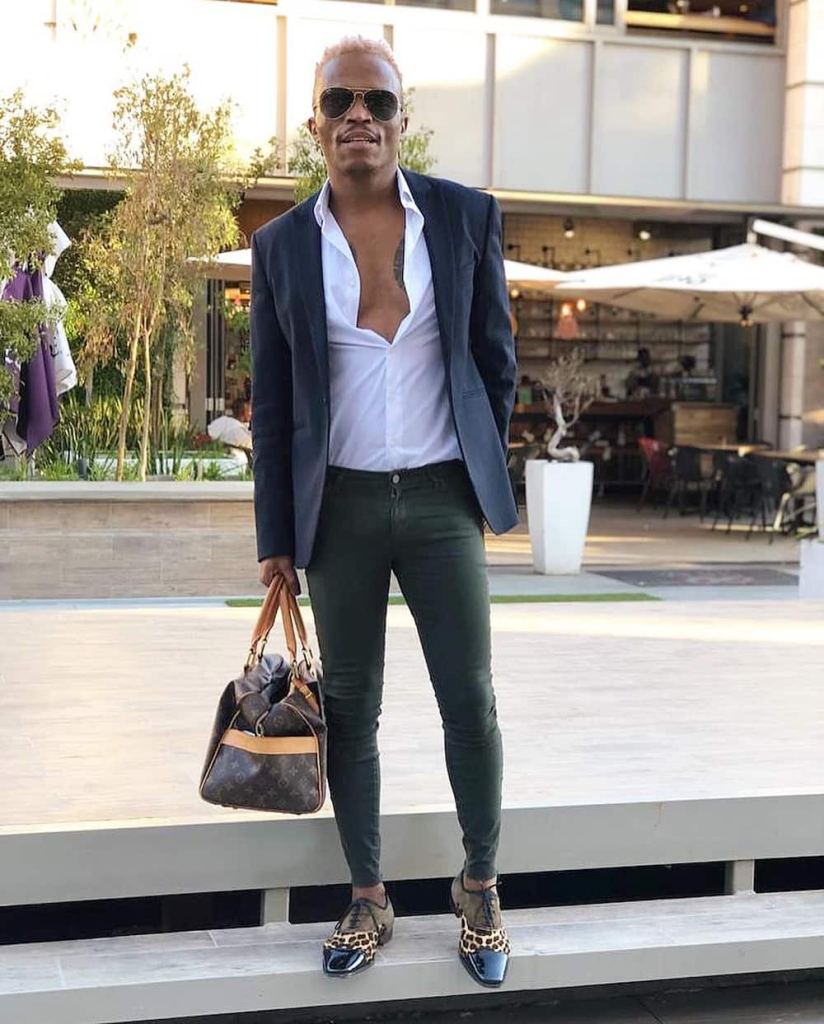
By helping the needy, offering wheelchairs to persons with disabilities, helping pregnant single mothers. His acts of kindness go beyond measure. But his success story has not been without stumbling blocks as The government of Zambia once banned the Bi television presenter actor and singer from performing in Zambia.To crown it all, even though being an LGBTIQ persons and more importantly Bisexual in most parts of the world remains a taboo coupled with the fact that bisexual persons get less recognition, it remains very pertinent that we build tolerance and diversity in our hearts, thus giving chance to peaceful coexisting with one another.
Happy 😊 BI week

 Working for Our Wellbeing