
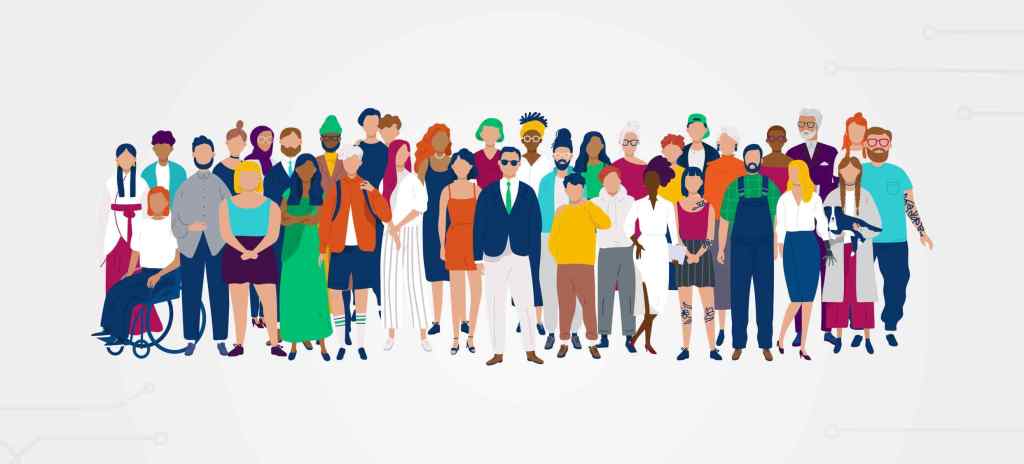
Gender inclusion is a concept that transcends mere equality. It’s the notion that all services, opportunities, and establishments are open to all people and that male and female stereotypes do not define societal roles and expectations. While many countries have made dramatic strides in narrowing the gap between the sexes, statistics show that prevalent challenges exist, and we must address and eradicate them before our society can achieve true gender inclusion.
Promoting gender inclusion through the creation of demonstrative examples of the concept in action is of the utmost importance as we strive toward this goal.
The Need for Gender Inclusion

Even as prominent sections of the population strive for a more inclusive society, the lack of gender inclusion persists as a major issue. According to a 2017 United Nations survey, various structural roles in the home, school, and workplace are prime movers behind the ongoing lack of inclusion.
Gender Gaps in the Workforce

The discrepancy in workplace wages is one of the biggest indicators that a lack of gender inclusion still exists. While studies indicate that the gender gap in pay has decreased since 1980, there is still a noticeable difference between what women earn and what men earn. The following resources demonstrate how this gap looks in modern society.
The Narrowing, but Persistent, Gender Gap in Pay: This comprehensive write up aims at indicating existing gaps between what men earn which is at times slightly too much or with big gap difference between what women earn.
The State of the Gender Pay Gap 2018: This report breaks down the gender pay gap through correlating workforce data, including the lack of women at an executive level.
What Can Be Done to Demonstrate Gender Inclusion?

The concepts of gender inclusion and gender roles can originate during child development. Studies indicate these roles are chiefly established during adolescence. Therefore, it is important to reach out to youths and explain the significance of gender inclusion. Doing so can potentially make inroads toward eliminating the gender gap that is still unfortunately prevalent in society.
Talking to Young Kids About Gender Stereotypes: This article provides guidance on how to raise children in an environment defined by gender inclusiveness and also lays out the negative gender attitudes that can manifest without such an atmosphere.
Fast Facts: Youth and Gender Equality: This report demonstrates the challenges that lie ahead in reaching youths about gender inclusion around the world.
Understanding Inclusion and Participation in Working with Youth: This article is a summary of a UNESCO-led workshop built around demonstrating gender inclusion to young people.
The Future of Gender Inclusion

The ongoing push to close the gender gap and promote gender inclusion may have a fundamental impact on how future generations perceive gender and gender roles.
The Future of Gender?: This article examines the impact gender inclusion could have on various aspects of society, from gender hierarchy to communication.
A Gender-Neutral Future: This article demonstrates how further decreasing the gender expectations surrounding various activities can bring about greater instances of gender inclusion.How Can Teachers Be More Gender Inclusive in the Classroom?: This article explores the role of educators in promoting gender inclusiveness and equality to tomorrow’s adults.

 Working for Our Wellbeing