
Last week, Mauritius played host to the Pan African ILGA 6th Regional Conference, a significant gathering of over 400 African Sexual and Gender Minority (SGM) activists and organizations. Under the theme “Pride and Resilience,” the conference aimed to chart the progress of the continent in terms of (SGM) rights, address the challenges they face, and explore innovative ways to advocate for Gender Equality and Respect.
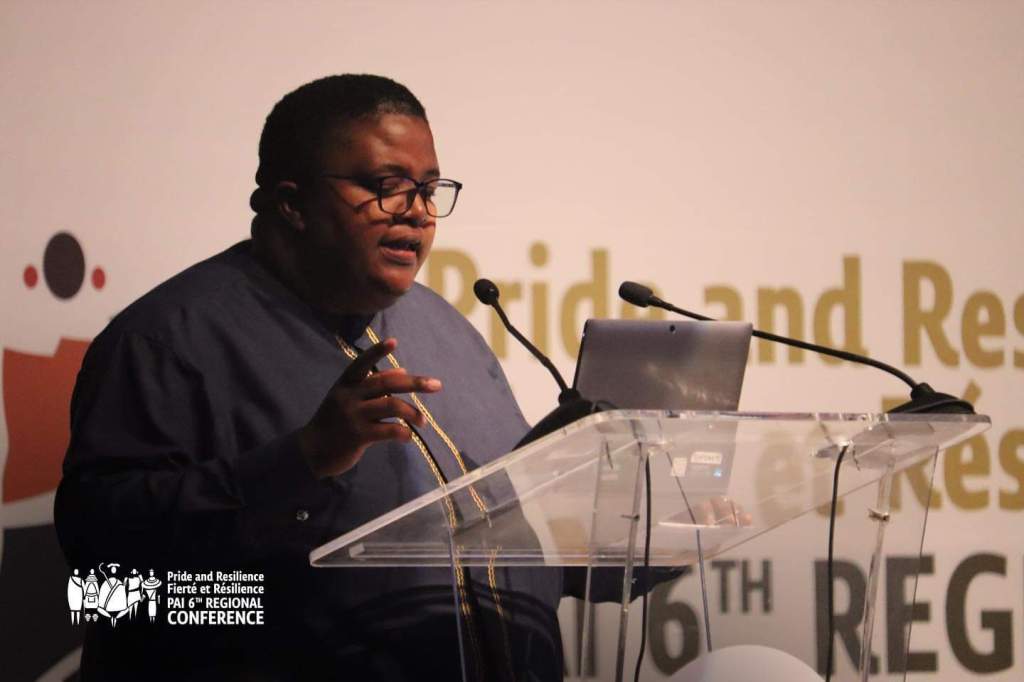
A Growing Movement
Africa has witnessed an inspiring rise in the SGM rights movement in recent years, with countless individuals and organizations dedicating their efforts to advocating for a more inclusive and accepting society. The Pan African ILGA Conference serves as a testament to the strength of this movement and its enduring commitment to the fight for equality.
Discussion and Progress
The conference involved vigorous discussions, workshops, and interactive sessions where participants examined the current state of SGM rights across the continent. Activists shared their experiences, successes, and challenges, seeking to learn from one another and collaborate to find effective strategies to further the cause.
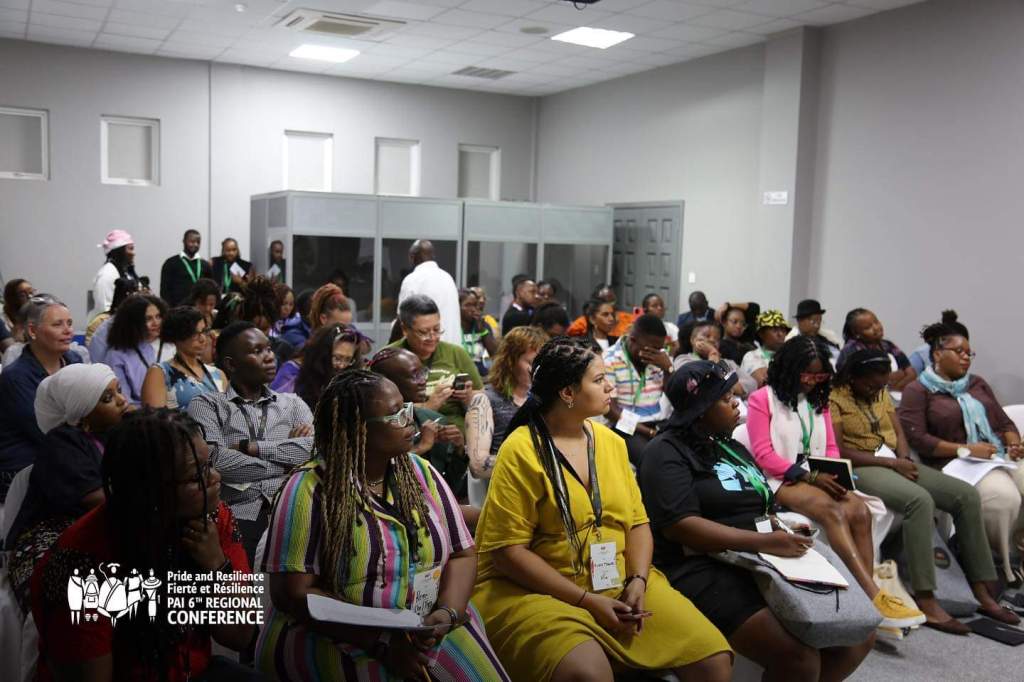
One of the primary goals of the conference was to identify the progress made in recent years. African nations such as South Africa, Seychelles, and Mozambique have shown significant strides towards recognizing and protecting SGM rights, enacting legislation, and creating safe spaces. This progress offers hope and inspires activists to continue pushing for change across the continent.
Challenges Faced
While progress has been made, the road to SGM equality in Africa remains fraught with challenges. Throughout the conference, participants highlighted the various forms of discrimination, violence, and societal stigmatization that SGM individuals face daily. Legal and cultural barriers continue to impede change, making it crucial to confront these issues head-on.
From criminalization to deeply ingrained cultural prejudices, the activists acknowledged the uphill battle they faced. They also emphasized the importance of fostering collaboration between local LGBT organizations, human rights advocates, and governmental bodies to create an inclusive society that respects and protects the rights of all individuals, irrespective of their sexual orientation or gender identity.
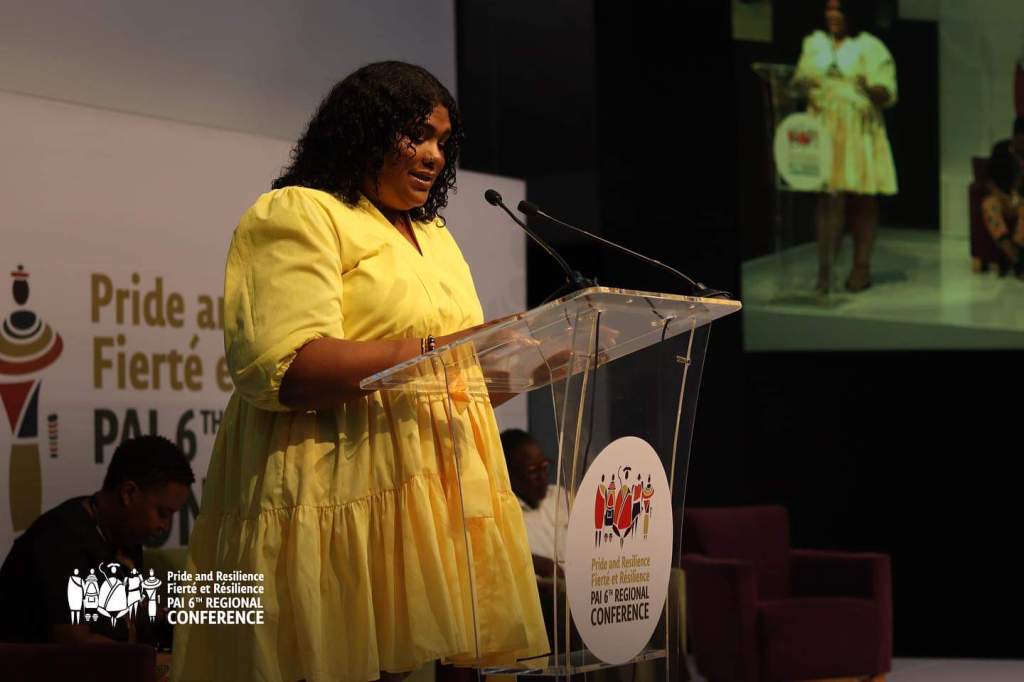
Building Advocacy and Resilience
The Pan African ILGA Conference not only showcased the diverse voices of African LGBT activists but also reaffirmed the resilient spirit that drives them. The event provided a platform to discuss effective advocacy strategies and share experiences, enabling activists to build networks, exchange knowledge, and forge robust alliances that amplify their collective voices.
Participants also focused on creating awareness campaigns that challenge societal perceptions and dismantle stereotypes surrounding LGBT individuals. By sharing personal stories and experiences, activists aim to foster empathy, understanding, and acceptance among broader communities, with the hope of securing a more inclusive future.
Empowering Future Generations
One of the fundamental aspects of the conference was empowering young activists and fostering intergenerational collaboration. Recognizing the power of youth in promoting change, the attendees strived to nurture and mentor emerging leaders, empowering them to take the movement forward. By ensuring that the fight for LGBT rights lives on in future generations, the conference aimed to establish a sustainable and enduring impact in Africa.
What does this mean for the African Human Rights point of view on sexual and gender minority issues? What is the way forward and what does this conference offer to the broader African context.
The Pan African ILGA Conference holds significant implications for the African Human Rights perspective on sexual and gender minority issues. Here’s an overview of its impact and the way forward:
1. Acknowledgment and Recognition: The conference sheds light on the urgent need to acknowledge the rights and dignity of sexual and gender minorities in Africa. By bringing together activists, organizations, and stakeholders in this arena, the conference served as a platform to recognize the issues faced by LGBT individuals in Africa, highlighting their struggles, hopes, and aspirations.
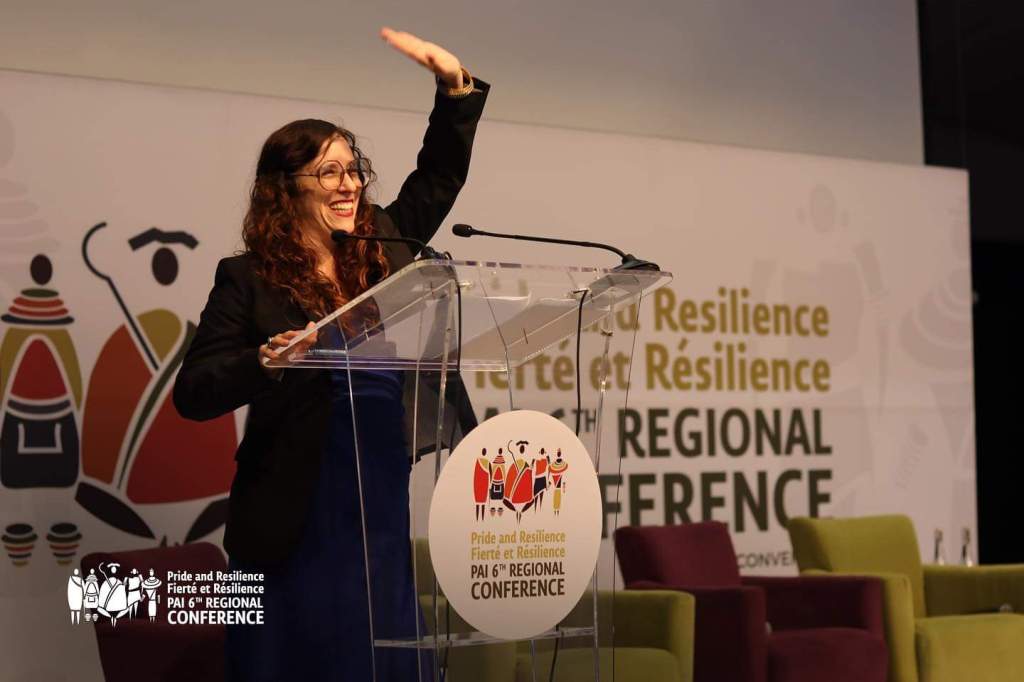
2. Building Networks and Collaboration: The conference offered a unique opportunity for activists and organizations to build networks, exchange knowledge, and collaborate on advocacy strategies. This interconnectivity fostered a united front in addressing LGBT rights issues, enabling a broader impact through shared experiences, resources, and strategies. By promoting collaboration, the conference encouraged sustained efforts to advocate for change across the continent.
3. Collective Strength and Solidarity: The conference reinforced the importance of collective strength and solidarity in the fight for LGBT rights. By bringing together activists from diverse backgrounds and nations, the event showcased the resilience and determination of the LGBT community across Africa. This shared platform promoted a sense of solidarity, empowering activists to confront common challenges and navigate obstacles with renewed vigor.
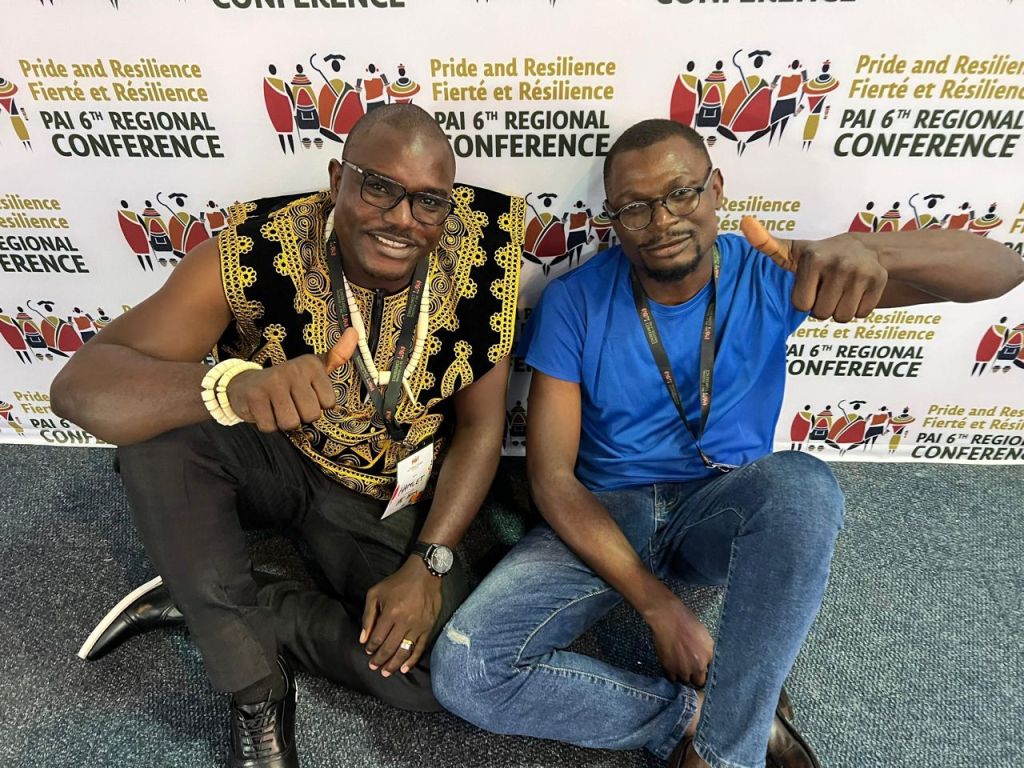
4. Amplifying Voices and Raising Awareness: The conference provided a space for LGBT activists to amplify their voices and raise awareness about the challenges faced by sexual and gender minorities in Africa. By highlighting the personal stories, struggles, and triumphs of LGBT individuals, the conference aimed to increase empathy, understanding, and acceptance within broader African societies. This enhanced awareness of LGBT issues has the potential to challenge harmful stereotypes, change attitudes, and shift societal perceptions.
5. Strengthening Legal and Policy Frameworks: The conference served as a platform to discuss legal and policy frameworks related to LGBT rights in Africa. By sharing best practices and lessons learned, activists could develop strategies to advocate for progressive legal reform and policy changes. This may include decriminalizing same-sex relationships, enacting anti-discrimination laws, and promoting inclusive education initiatives. Through coordinated efforts, the conference aimed to bring about positive changes at both national and regional levels.
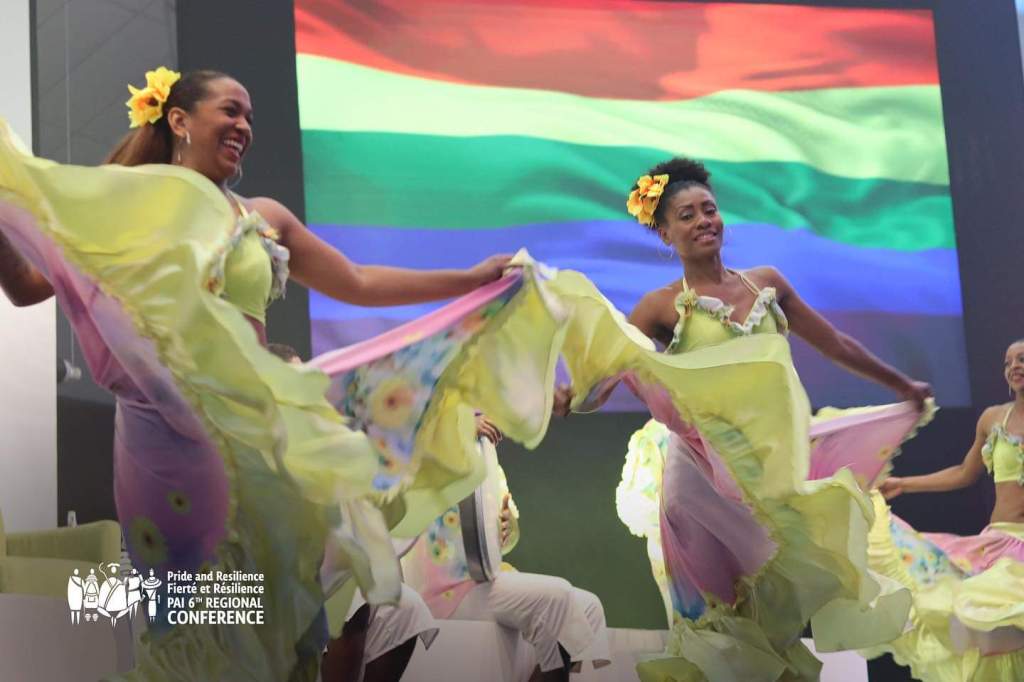
Moving forward, the conference offered tremendous potential for the broader African context
1. Promoting Social Change: By encouraging dialogue and understanding, the conference has the power to challenge deeply ingrained cultural prejudices and societal norms regarding sexual and gender minorities. Its ripple effects can extend beyond the attendees to broader African communities, fostering societal change, and fostering acceptance and inclusion.
2. Empowering Grassroots Movements: The conference emphasizes the importance of grassroots activism in driving change. By empowering local LGBT organizations and emerging activists, the event strengthens their capacity to advocate for LGBT rights from within their respective communities. This localized approach allows for tailored strategies that resonate with African contexts, contributing to sustainable and long-lasting change.
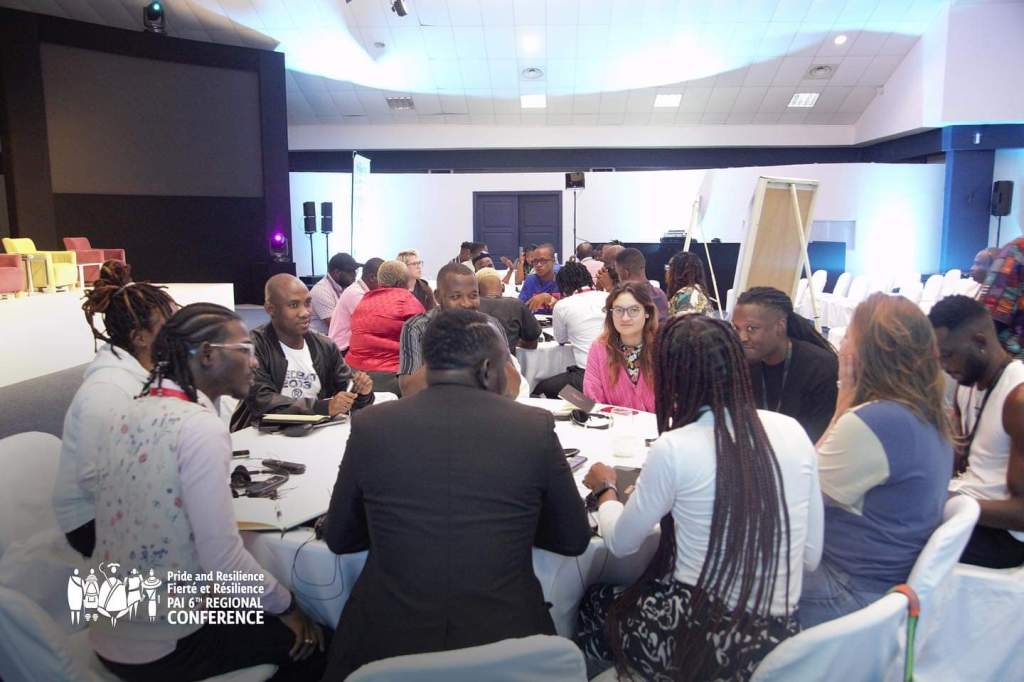
3. Engaging with Governments and Institutions: The conference enables activists to engage with governmental bodies, policymakers, and regional institutions to advocate for LGBT rights. Through dialogue and collaboration, conference participants can seek to influence policy decisions and initiatives that prioritize the rights of sexual and gender minorities. By working closely with governments, the conference contributes to creating an enabling environment for legal reforms and policy changes.
Conclusion
The Pan African ILGA 6th Regional Conference in Mauritius served as a powerful platform for African LGBT activists and organizations to come together, celebrate their progress, and strategize for the future. The event showcased the resilience and determination of these individuals in the face of adversity and discrimination.
Moving forward, the participants will harness the knowledge and connections developed during the conference to continue pushing boundaries, challenging stereotypes, and advocating robustly for LGBT rights. Together, they stand poised to build a more inclusive Africa, where every individual, regardless of sexual orientation or gender identity, can live with dignity, equality, and pride.
By: LAFON George Nchadze

 Working for Our Wellbeing