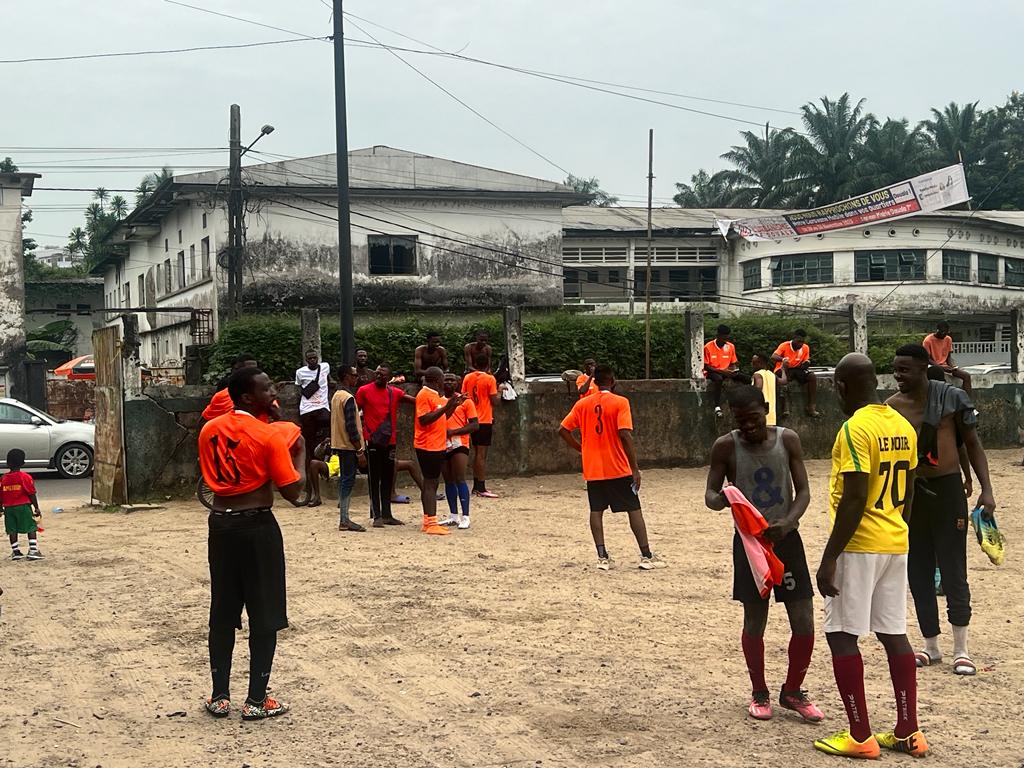
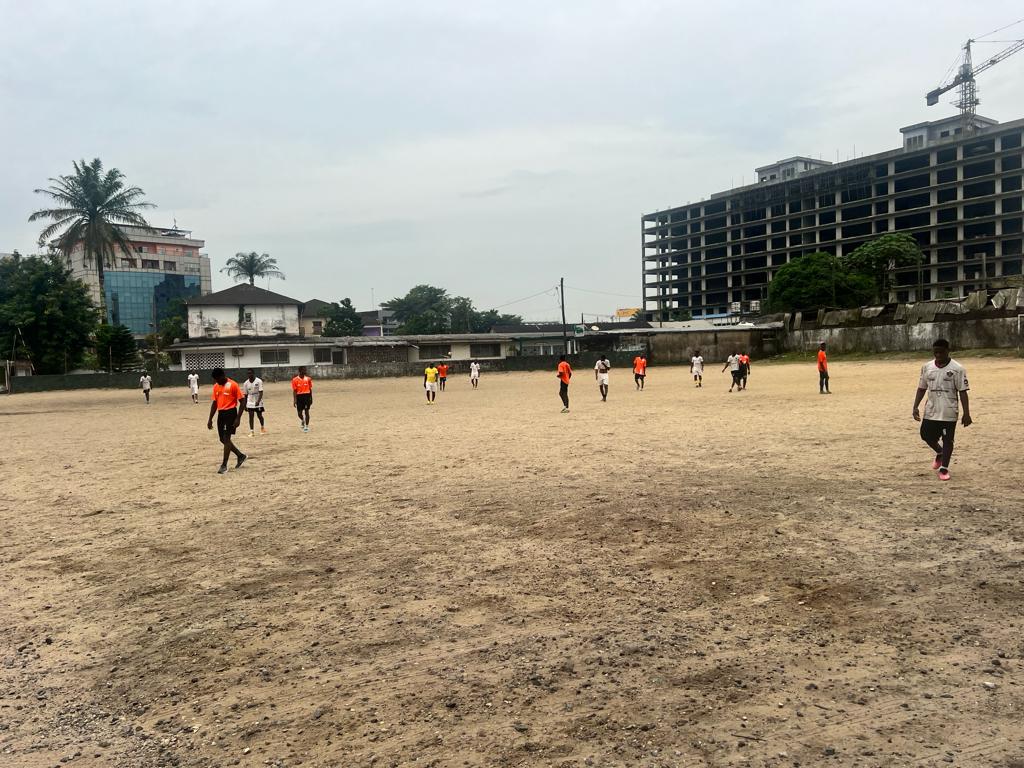
As we conclude the momentous journey of the 16 Days of Activism, we are overwhelmed with pride and a profound sense of collective accomplishment. The final day of our campaign culminated in a remarkable event—a football match that symbolized our urgent call to reduce ignorance and obscurantism, empowering our society to propel forward in unity and understanding.
The theme of our football match, “The Urgent need to reduce ignorance and obscurantism in order to change the present and move forward,” echoed a powerful message that resonated deeply with each participant, spectator, and advocate of gender equality. It encapsulated the pivotal role of education, awareness, and individual responsibility in fostering true societal change.
As the spectators gathered, it was heartening to witness participants from diverse backgrounds coming together to witness the match, creating an electric atmosphere of shared purpose and dedication. The football pitch served as a catalyst, uniting us all under a common goal, transcending barriers, and fostering an environment of solidarity where sexual orientation and gender had no boundaries.
At the heart of this captivating sporting event was a resounding message: Civil society actors alone should not bear the burden of addressing gender-based violence alone. Instead, we emphasized that men have a crucial role to play in eradicating this pervasive issue. Through dialogue—a potent tool for systemic change—we sought to underscore the critical importance of men speaking out against the dangers of gender-based violence against Sexual and gender minorities. By leveraging these discussions, we aimed to catalyze collective action, effecting meaningful transformation within our communities.
Following the match, brief yet impactful discussions unfurled, centering on the profound significance of understanding gender-based violence, recognizing its far-reaching effects, and comprehending the lasting impact it inflicts upon its victims. These conversations served as a beacon of enlightenment, enlightening participants on the urgent need to engage men in conversation, urging them to become active advocates in the fight against gender-based violence.
The collective energy exuded during the football match, coupled with the earnest discourse that ensued, marked a poignant conclusion to the 16 Days of Activism. It reaffirmed our unwavering commitment to galvanize the force of unity—embracing the interconnectedness of our varied experiences and perspectives, all aligned in the pursuit of gender equality and social justice.
This event was not simply a football match; it was a testament to the transformative power of sport, igniting dialogue, engendering understanding, and invigorating societal attitudes. It exemplified the potential for impactful change when diverse voices converge in an atmosphere of mutual respect and understanding.
As we reflect on this remarkable day, we are resolute in my belief that by making men part of the conversation, we can forge a path toward a future defined by shared responsibility, empathy, and meaningful progress. We have unlocked a space for compassion, awareness, and collective action, embracing the urgency of this paradigm shift and charting a course toward a brighter, more inclusive future for all.
In the closing moments of this football match, we have etched an indelible mark—a declaration of our united stance against gender-based violence and a resounding call for all voices to play a harmonious role in manifesting a world free from disparity and injustice.
Let us carry this momentum forward, nurturing these crucial conversations and transformative experiences as we move ahead, steadfast in our dedication to promoting equality, understanding, and unity.
The efforts of young persons participating in debates, public consultations, and political activities are pivotal for influencing political decisions. In the Cameroonian electoral process, residency and age requirements impact voter registration. Additionally, ELECAM (Elections Cameroon) oversees various elections, including Presidential, Legislative, Senatorial, Regional, and Municipal elections, as well as Referendums.
In the context of political participation, SGM individuals have played crucial roles. Notably, individuals like Emma Onekekou, an SGM rights activist, and Steve Letsike, a co-chair of the National Task Force, have made significant impacts, combating discrimination and advancing SGM rights in West Africa.
INTRODUCTION
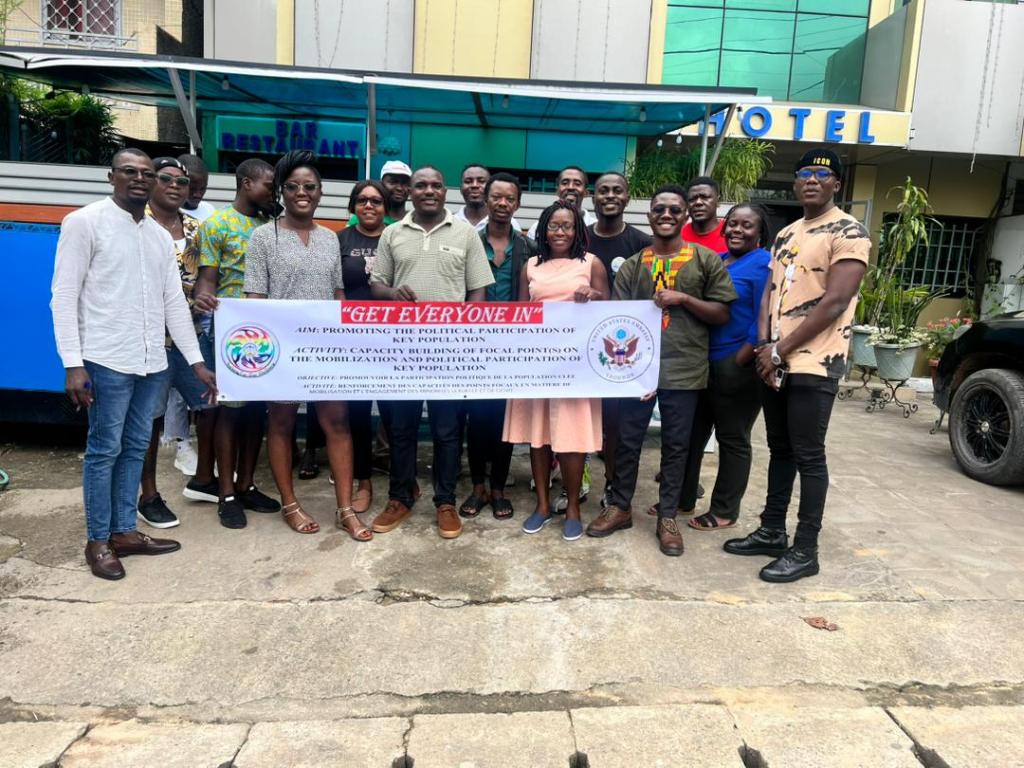
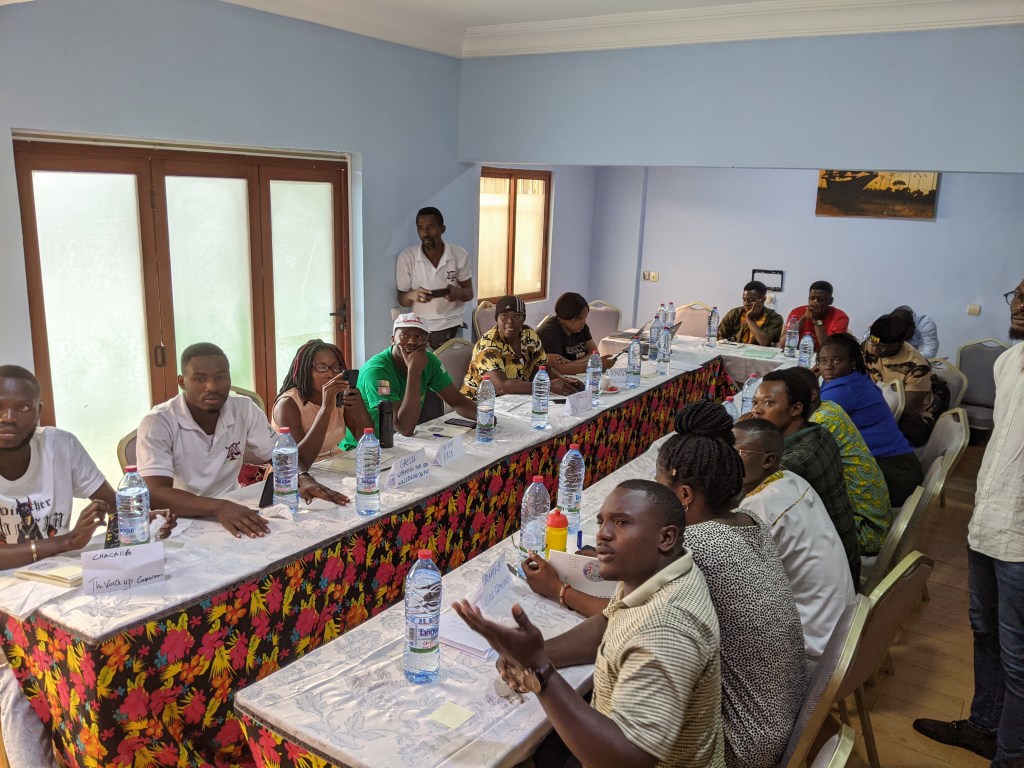
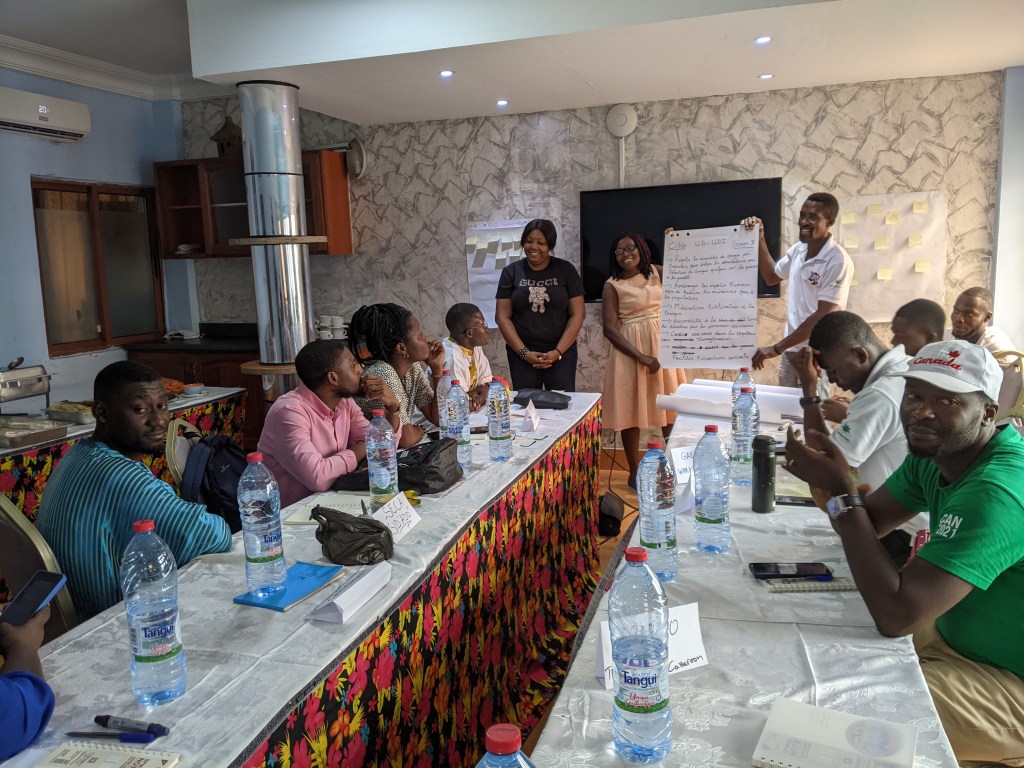
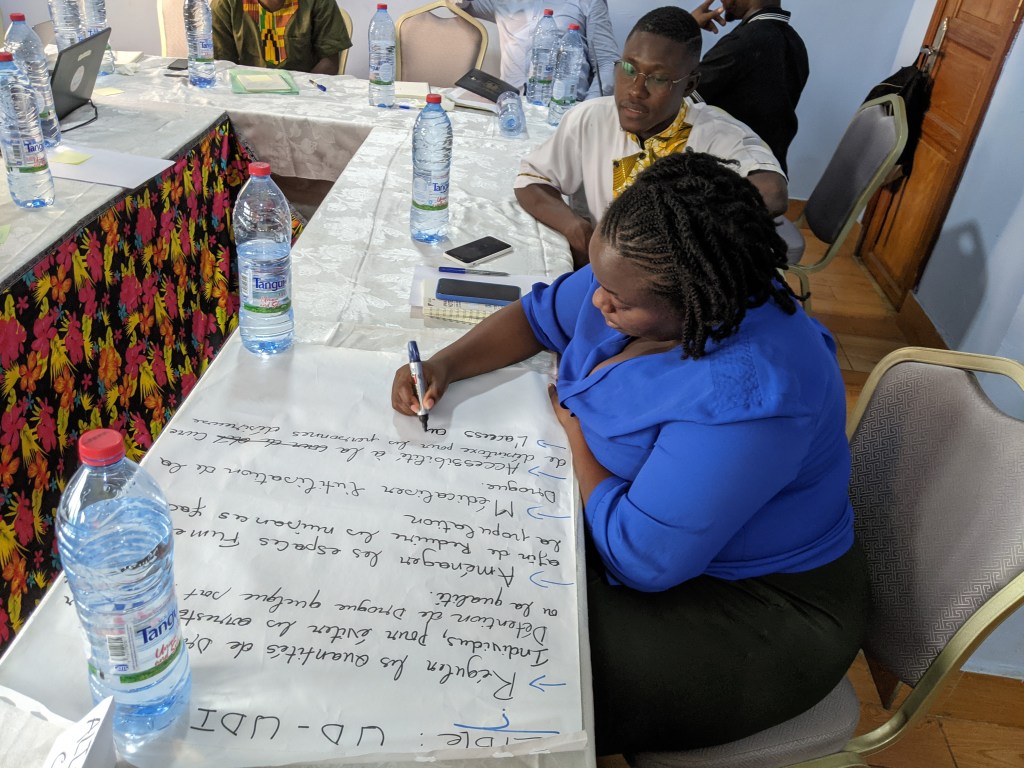
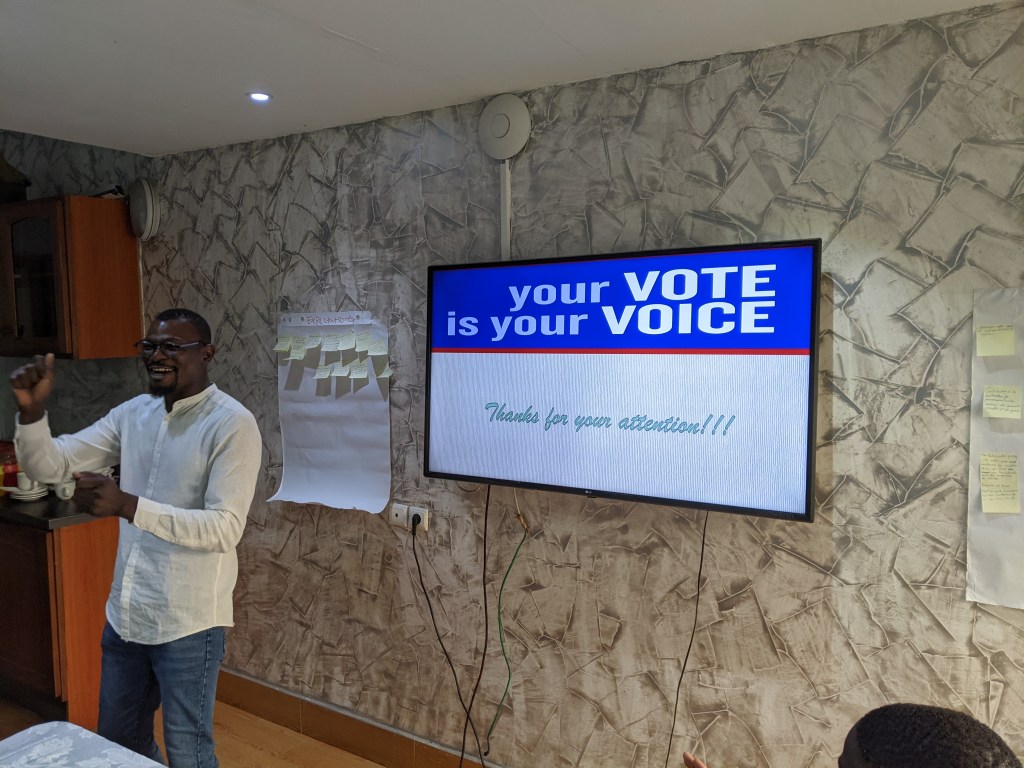
We were thrilled to organise a two-day training seminar in the Littoral Region of Cameroon focused on the Political Participation of Sexual and Gender Minority Persons on the 21st to the 22nd Nov 2023. This vital initiative was made possible through the generous funding and guidance of the African Regional Democracy Fund, under the auspices of The United States Embassy in Cameroon.
The project, aptly named “Getting Everyone In,” sought to equip community leaders, activists, allies, and members of the sexual and gender minority community with essential knowledge about the various electoral processes in Cameroon. This comprehensive training is delved into topics such as voter enrollment, requirements for obtaining a voters card, stages of the electoral process, and guidance on verifying polling stations, among other essential aspects. The immediate aim was to equip participants with the necessary tools and understanding to engage actively in the political process.
The seminar was specifically designed to address the deep-rooted political apathy prevalent among sexual and gender minority individuals in Cameroon. Over the years, this community has encountered significant challenges in participating in the political landscape, largely attributed to existing punitive laws and prevalent homophobia. This has led to a pervasive sense of disillusionment, with many questioning the relevance of their involvement in a political system that often politicizes and exploits their identities for gains, without genuinely protecting their interests.
The seminar emphasized the paramount importance of enhancing the political involvement of sexual and gender minority individuals, stressing that meaningful change can only be realized through representation and inclusivity within the political sphere. Facilitators underscored the imperative for SGM individuals to actively engage in politics, emphasizing that collective representation offers a pathway to impact and change.
The event marked a critical step toward addressing the challenges faced by sexual and gender minority individuals, offering a platform for learning, dialogue, and empowerment. It was not merely an educational endeavor but a transformative experience, uniting individuals in a shared mission to drive genuine change and amplify the voices and concerns of a marginalized community within the political landscape.
OBJECTIVES
1. Identify specific challenges faced by sexual and gender minorities in political participation. 2. Analyze opportunities and strategies for advocating political inclusion and amplifying the voice of sexual and gender minorities in decision-making processes. 3. Facilitate dialogue and knowledge exchange on best practices and lessons learned in political participation. 4. Determine effective strategies to promote inclusive political engagement of sexual and gender minorities. 5. Build the capacity of rights defenders and political actors to foster greater inclusion of sexual and gender minorities in the electoral process.
MAIN THEMES ADDRESSED:
1. Equitable Access to Political Processes: Participants detailed the legal, social, and cultural barriers impeding the political engagement of sexual and gender minorities and discussed discriminatory laws and practices. 2. Awareness Campaign and Political Training: Strategies to raise awareness and provide political training for key populations and their allies were proposed to enhance expertise and commitment. 3. Political Inclusion of Key Populations: The importance of full inclusion and active participation of key populations in decision-making bodies, alongside measures to encourage participation and combat discrimination, was emphasized.
KEY INSIGHTS
The right to vote serves as a critical avenue for sexual and gender minorities to contribute to decision-making processes impacting various societal domains, such as education, employment, the environment, and healthcare. Voting not only extends the right to make informed choices but also empowers engagement in grassroot movements, youth groups, and political organizations, as well as fostering awareness and mobilization through social media and public forums.
In conclusion, the workshop provided critical insights and actionable strategies to enhance the political participation and representation of sexual and gender minorities in Cameroon, emphasizing the fundamental role of inclusive political processes in advancing societal well-being and equitable rights for all. This seminar stands as a testament to our ongoing dedication to fostering inclusivity and representation, advocating for a political environment that respects and values the diverse voices and rights of all citizens, irrespective of their sexual orientation or gender identity. It was a vital milestone in our collective journey toward creating a political sphere that embraces equity and acceptance, ensuring that the rights and perspectives of sexual and gender minority individuals are fully recognized and upheld within the political discourse of Cameroon.
We are delighted to make public our annual report for 2022, showcasing the impactful work and activities carried out by our organization over the past year. This report provides a comprehensive summary of our initiatives, the support and assistance provided to sexual and gender minority individuals, and an overview of the human rights situation affecting these communities in Cameroon.
Direct Assistance to Victims of Gender-Based Violence:
Throughout 2022, we extended direct assistance to a significant number of victims of gender-based violence within the sexual and gender minority community. This involved providing immediate support, shelter, and resources to those affected by acts of violence, abuse, and discrimination. Our dedicated team worked tirelessly to ensure that individuals received the necessary care and support, addressing their unique needs with compassion and empathy.
Psychological Assistance:
As part of our holistic approach, we offered psychological assistance to individuals within the sexual and gender minority community who experienced trauma, distress, and mental health challenges. Our team provided counseling, emotional support, and guidance to help individuals cope with the psychological impact of discrimination, violence, and social stigmatization. Our goal was to foster healing and resilience, empowering individuals to overcome the emotional toll of their experiences.
Legal Assistance:
In our commitment to upholding the rights of sexual and gender minority persons, we offered legal assistance to individuals facing discrimination, human rights violations, and legal challenges. Our efforts included providing legal advice, representation, and advocacy on behalf of those targeted by discriminatory practices, ensuring that their rights were protected and upheld within the legal system.
Shelter Program:
Our shelter program played a vital role in providing a safe and secure environment for individuals who faced threats, violence, and homelessness due to their sexual orientation or gender identity. Through this initiative, we offered temporary accommodation, shelter, and support to those in need, aiming to ensure their safety and well-being during times of crisis.
This week, as we observe Mental Health Awareness Week, it is essential to shed light on the physical and emotional toll that punitive laws in Cameroon impose on sexual and gender minorities. The intersection of mental health, human rights, and inclusivity cannot be overstated. It is imperative that we recognize mental health as a fundamental human right and acknowledge that optimal health is unattainable without proper mental well-being.
Below are some of the key factors
Legal Discrimination and Stigmatization Cameroon’s legal framework includes punitive laws that criminalize same-sex sexual acts and fail to protect the rights of sexual and gender minorities. These laws effectively perpetuate stigma, discrimination, and violence against individuals who identify as lesbian, gay, bisexual, transgender, or queer. The mere existence of these laws creates an environment of fear, hostility, and exclusion, which deeply impacts the mental health of SGM individuals.
Psychological Impact Punitive laws in Cameroon contribute to a range of mental health challenges for SGM individuals. The constant threat of arrest, harassment, and violence leads to heightened anxiety, fear, and stress. Living in secrecy and feeling constantly on edge can contribute to chronic mental health conditions such as depression, anxiety disorders, and post-traumatic stress disorder (PTSD).
Social Isolation and Rejection Punitive legislation not only affects individuals’ mental health but also their social well-being. Due to the prevailing prejudice and discrimination, sexual and gender minorities often face rejection from their families, friends, and communities. The resulting social isolation and lack of support systems exacerbate feelings of loneliness, self-hatred, and low self-esteem. Such negative emotions can contribute to a higher risk of self-harm, suicide, and substance abuse among this marginalized group.
Limited Access to Healthcare The presence of discriminatory laws also hinders sexual and gender minorities’ access to adequate healthcare services. The fear of being judged or persecuted prevents individuals from seeking mental health support, further compounding their psychological distress. The absence of inclusive healthcare policies and trained professionals exacerbates the existing mental health issues within the SGM community.
The Importance of Mental Health as a Human Right Mental health is an integral part of human well-being, and denying individuals the right to live in dignity, free from discrimination, is a violation of their human rights. Governments have a responsibility to protect and promote the mental health and well-being of all citizens, irrespective of their sexual orientation or gender identity. By repealing punitive legislation and implementing inclusive policies, Cameroon can take a crucial step toward safeguarding the mental health of its sexual and gender minority population.
During Mental Health Awareness Week and beyond, it is essential to raise awareness about the devastating impact of punitive laws on the mental health and well-being of sexual and gender minorities in Cameroon. Recognizing mental health as a human right necessitates dismantling discriminatory laws, promoting inclusivity, and ensuring access to appropriate mental healthcare services. By fostering a climate of acceptance and support, we can empower sexual and gender minorities in Cameroon to lead healthier and more fulfilling lives.
Context and Justification Working for Our Wellbeing is seeking a highly skilled and passionate consultant to join our team. The consultant will play a vital role in developing educational materials that can be used as an advocacy tool and conducting research to better understand the specific needs of sexual and gender minorities that align with this actual time.
Aim of the research: The research findings will be used as a key guide in looking for solutions to address the needs identified in this research and to accompany the government in its obligations under international human rights law. This will involve working collaboratively with relevant stakeholders to advocate for policy changes and legal reforms and implementing measures that protect the rights of sexual and gender minority persons in Cameroon.
Consultancy Objectives: Globally, the consultant will: 1. Develop Educational Materials, that promote social acceptance and understanding of sexual and gender minorities. 2. Conduct Research to better understand the specific needs of sexual and gender minorities that align with this actual time. 3. Multi-Face Approach, to address the issue of stigma and discrimination against sexual and gender minorities in Cameroon. 4. Draft Advocacy tools, the consultant will work closely with WFW team to draft advocacy initiatives grounded in evidence and effectively challenge discrimination and human rights violations which brings reason to urgently address the needs that will be identified through the research by CSOs, Government, and other stakeholders.
Results and deliverables The outcome of this consultancy is to provide accurate information, challenge stereotypes, and encourage empathy and inclusivity within the Cameroon context. 01 educational pamphlet will be produced and 50 copies will be shared with community members. The research will include properly tracking needs and a draft of key solution proposals to address the problems identified in the process. It will serve as a foundation for advocacy efforts, and facilitate dialogue sessions at the end of the research.
Methodology The consultant will propose a methodology that he/she will apply and this will be discussed and approved by the project lead in three phases. The first phase will consist of the collection of documentaries, interviews, and meetings with resource persons. The second phase will consist of analyzing and interpreting each documentation and the last phase will involve elaborating a final report, taking into consideration the various recommendations.
Reports All reports and notes elaborated within this consultancy shall be written in English and or French. All documents shall be deposited in format paper and electronic format in Word, Excel, and PowerPoint. Mission Termination The consultancy will be within 15 days from the signature of the contract. He/She will be the one to hold his/her work materials that are, (Computer, Printer, Phone, etc). The project will take into account the consultant’s transportation within the said period (transportation by Land).
Restrictive Conditions Relating to Property Rights
All documents relating to this consultancy work will become the property of the International Labour Office. The consultant will be required to respect the prohibition of any sharing or disclosure of data or information obtained in the course of his/her mandate, without authorization from WFW. A clause on respect for intellectual property rights will be duly accepted and signed by both parties when the contract is signed.
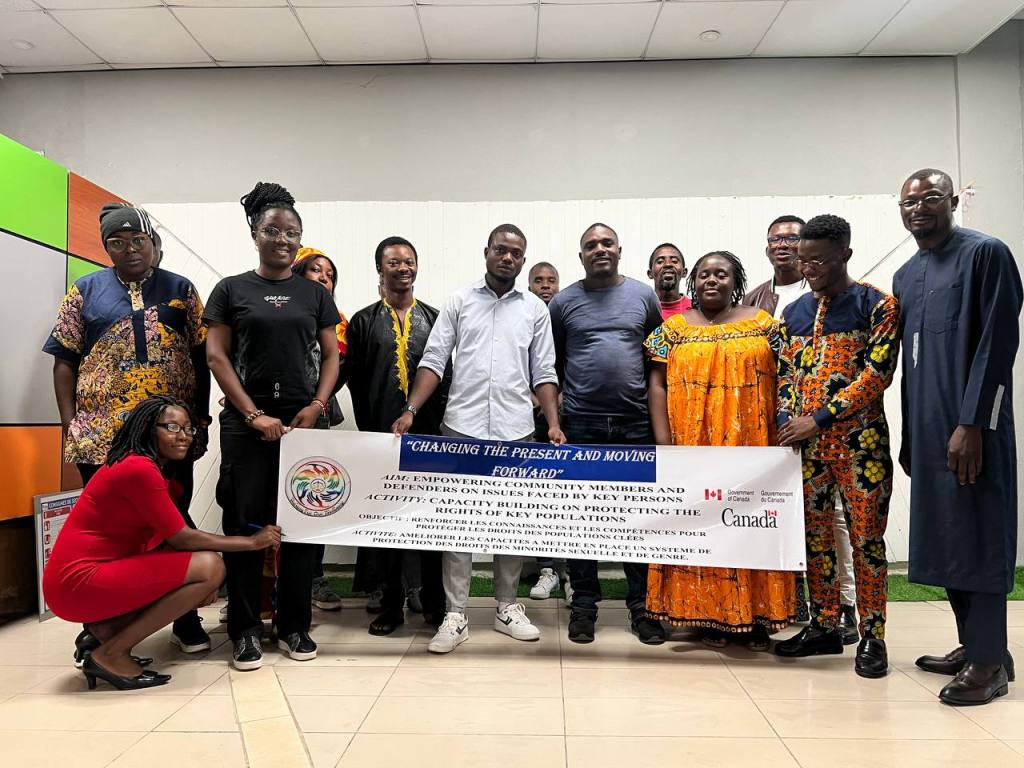
Last week, we conducted a two-day training workshop under the project “Changing The Present and Moving Forward.” funded by the Canadian Fund for Local Initiatives (FCIL CAM). The focus of this workshop was to strengthen the understanding of activists working in the area of human rights to better understand national and regional human rights mechanisms and let them know when, how, and where to apply it in relation to their work within the community. The workshop had a particular emphasis on the multiple violence and human rights violations sexual and gender minority persons go through without getting justice in most cases when it does occur.
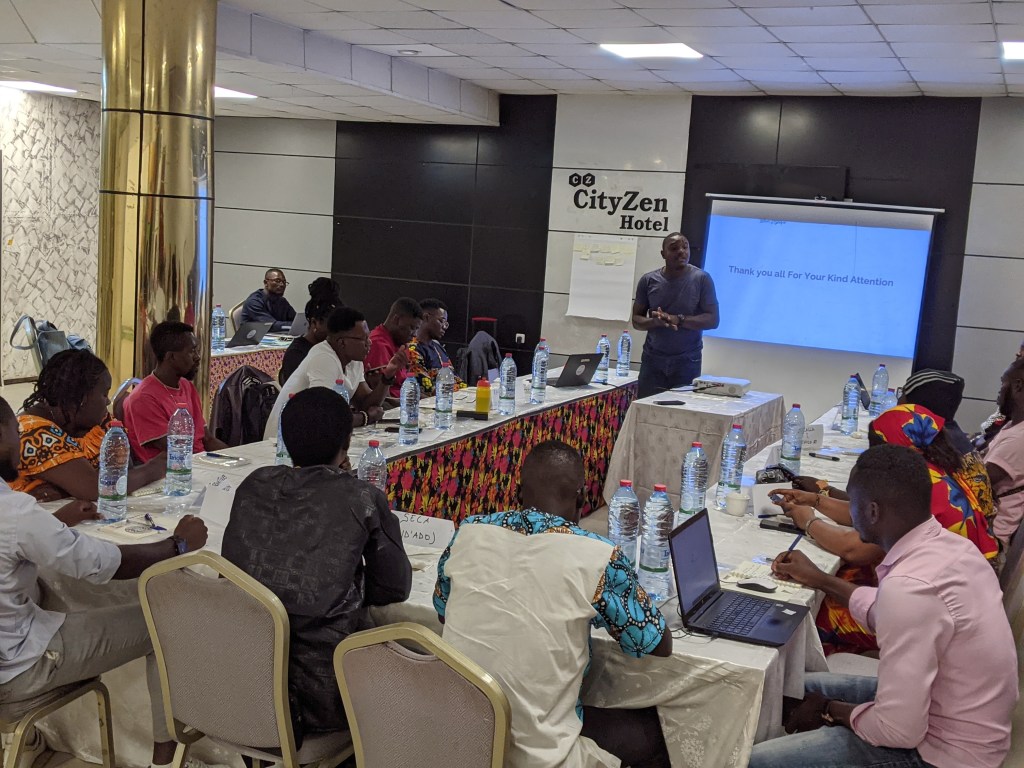
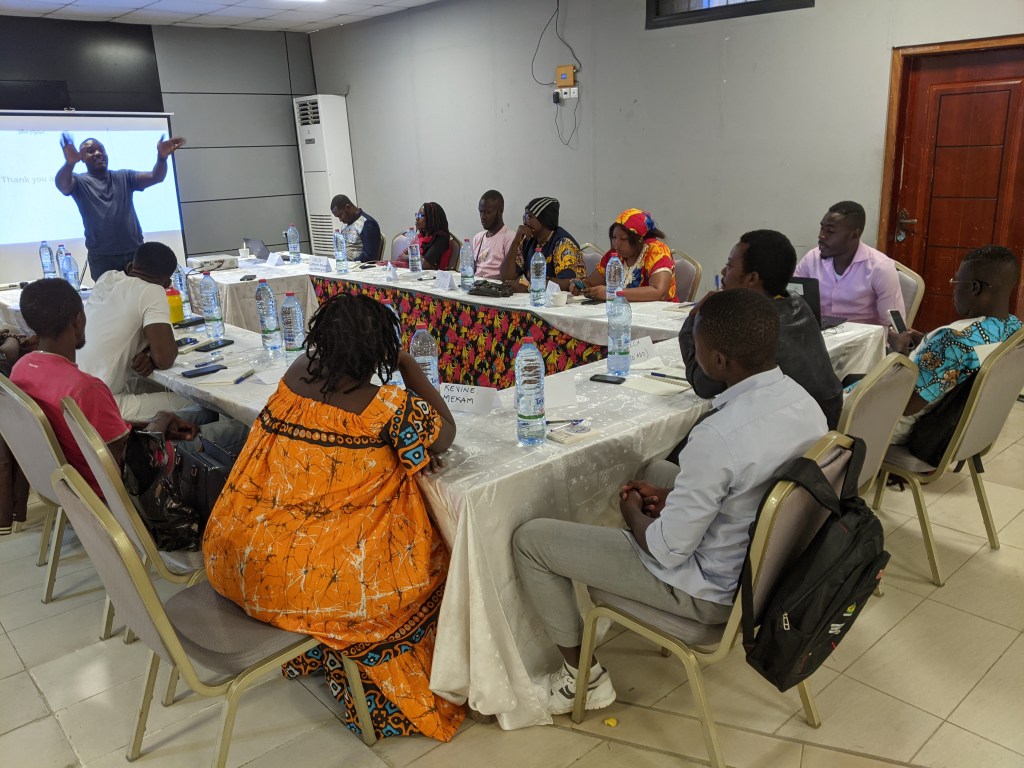
Training Highlights The workshop, held on the 6th and 7th of October, provided a platform for 18 participants to acquire in-depth knowledge and build their capacity to navigate national, regional, and international human rights mechanisms. Various facilitators shared expert insights and conducted engaging presentations, empowering participants to advocate for the rights and well-being of sexual and gender minority persons more effectively.
The sessions covered a range of topics, including the Universal Declaration of Human Rights, regional instruments of human rights, United Nations treaties, and the African Charter on Human and Peoples’ Rights. Through interactive group work, participants tackled challenging tasks that encouraged critical thinking and problem-solving, fostering a deeper understanding of the subject matter. During the training, participants were immersed in the importance of collective collaboration and effective documentation of cases related to gender-based violence. Recognizing the significance of documentation, participants were trained on various tools and techniques to accurately capture and record incidents. Additionally, the training covered the critical aspect of data security to ensure the protection of sensitive information. Participants learned about best practices for securing data online and preserving confidentiality.
Understanding Regional and International Mechanisms A substantial portion of the training was dedicated to exploring national, regional, and international human rights mechanisms. At the national level, participants delved into the constitution and the jurisdiction of national human rights bodies, such as the National Human Rights Commission. The workshop also focused on various regional instruments, including the African Charter on Human and Peoples’ Rights, the Maputo Protocol, Resolution 275, and Resolution 552 of the African Charter, which affirms the different rights of sexual and gender minorities. Participants gained valuable insights into international human rights mechanisms, such as the Universal Declaration of Human Rights, international pacts, conventions, and treaties. The overarching objective of all these mechanisms is to safeguard the rights of individuals, regardless of their actual or perceived sexual orientation with a specific emphasis on sexual and gender minority persons, participants were guided through detailed discussions on human rights mechanisms at the regional and international levels. They explored the institutions, procedures, and strategies that can be leveraged to advance the rights of these groups, foster inclusivity, and combat discrimination/stigma.
The training sessions provided a comprehensive overview of the mechanisms available for addressing human rights violations, including the role of intergovernmental organizations, non-governmental organizations, and key advocacy tools. Participants gained valuable insights into strategic approaches, research methodologies, and effective communication strategies to amplify their voices and advocate for change.
Empowering Human Rights Defenders One of the primary goals of the workshop was to empower human rights defenders and allies in the Littoral region. By equipping them with comprehensive knowledge and practical tools, we aimed to strengthen their ability to advocate for the rights of sexual and gender minority persons effectively. The training fostered a supportive network, creating opportunities for collaboration, knowledge-sharing, and the development of cohesive strategies.
Moving Forward Throughout the workshop, participants were reminded of the need for continued efforts and collaboration beyond the workshop. They were encouraged to view the training as a launching pad rather than a conclusive endeavor. The challenges facing the advocacy for sexual and gender minority rights in Cameroon demand ongoing dedication and collaboration from all stakeholders. The training served as a call to action, inspiring participants to actively contribute to the advancement of human rights in their respective spheres.
Continued investment in the capacity-building and empowerment of human rights defenders, as demonstrated through this training workshop is essential for driving sustainable change in society. By equipping individuals with the necessary knowledge and skills, Working for Our Wellbeing strives to create an environment where the rights and dignity of sexual and gender minority persons are respected and protected.
Take-home message Working for our Wellbeing is fully aware that overcoming these challenges requires sustained commitment and a united front. We remain steadfast in our support for participants and the wider community, creating an environment where the rights and dignity of all individuals, irrespective of sexual orientation are duly respected and protected. By continuing to build alliances, develop strategies, and seek tangible solutions, we can work towards a future that upholds the fundamental rights of all persons in Cameroon.
Closing remake The workshop concluded on the 7th with a closing remark from the Executive Director of WFW. Expressing gratitude, the Executive Director thanked all participants for accepting the organization’s invitation and wholeheartedly engaging in the training. The Executive Director acknowledged the dedication and commitment demonstrated by each participant throughout the sessions and emphasized the importance of their involvement in the fight for sexual and gender minority rights. With the training officially declared closed, participants departed for their respective destinations, carrying with them a renewed sense of purpose and determination. They were left equipped with valuable knowledge, practical skills, and a reinforced commitment to advocate for the rights of sexual and gender minority persons in Cameroon. With the confidence ent that the training has empowered participants to make a meaningful impact in their communities. The organization stands ready to provide ongoing support, guidance, and a platform for continued collaboration among participants, ensuring sustained efforts in creating an equitable and inclusive society for all. As the participants dispersed, they carried with them the collective energy and vision for a future where the rights of all individuals, regardless of their sexual orientation, are respected and protected. The conclusion of the training marked not the end, but rather the beginning of a new chapter in the fight for equality and social justice.
Conclusion The two-day training seminar served as a significant step towards enhancing the understanding of regional and international human rights mechanisms among participants in the Littoral region. By fostering knowledge, collaboration, and empowerment, we are confident that this training will lead to effective advocacy, inclusive policy development, and positive social change for sexual and gender minority persons in Cameroon. Through ongoing initiatives aimed at strengthening the capacity of human rights defenders and creating inclusive platforms for dialogue, Working for Our Wellbeing remains committed to the pursuit of justice, equality, and the protection of the rights of all individuals, regardless of their sexual orientation or gender identity.
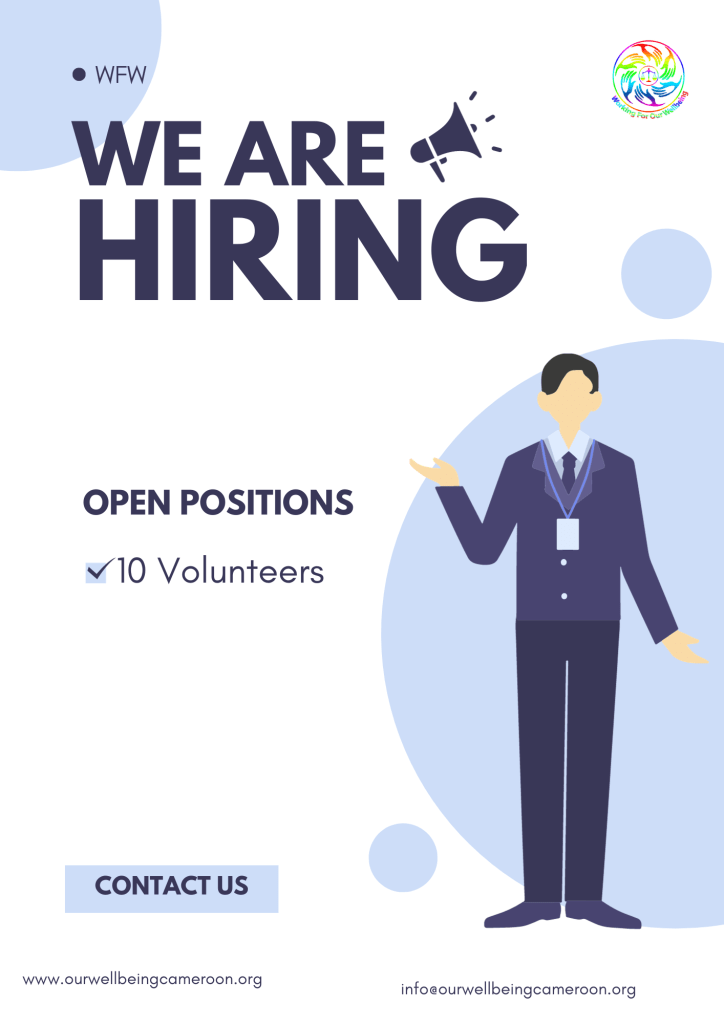
Working for our Wellbeing, a registered organization dedicated to supporting sexual and gender minorities in Cameroon, is pleased to announce the opening of volunteer positions within our team. We are seeking 10 passionate individuals to join us in making a positive impact on the lives of SGM persons in our community.
Volunteer Responsibilities: As a volunteer at Working for our Wellbeing, you will play a crucial role in supporting our various activities aimed at meeting the needs of SGM persons within their communities.
Requirements: To be considered for these volunteer positions, we require applicants to meet the following criteria:
1. A genuine interest in supporting SGM. 2. Strong empathy and understanding towards diverse backgrounds. 3. Excellent communication skills. 4. Ability to work effectively within a team as well as independently. 5. Respect for confidentiality when dealing with sensitive information
Education No specific educational Background or Qualification is required.
Application deadline Applications will be closed on October 10th 2023
Duration: The selected volunteers will be expected to commit to a three-month period starting from October 15th, 2023 with which Stipends will be available.
Application Process: If you are interested in joining us as a volunteer, please submit your application no later than October 10th, 2023. To apply, please send us your updated resume/CV along with a brief cover letter to : info@ourwellbeingcameroon.org
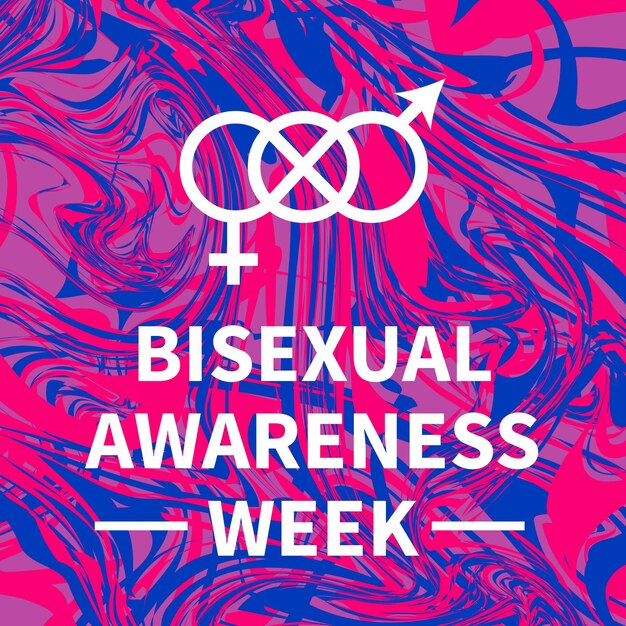
Bisexual Awareness Week, an international celebration dedicated to raising awareness about bisexuality, provides an opportunity to focus on the situation of bisexual individuals in Cameroon. This article aims to shed light on the challenges faced by bisexual people in Cameroon, the impact of punitive laws on their lives, the need to change hearts and minds, and the way forward to create an inclusive and accepting society.
The Situation of Bisexual People in Cameroon:
Bisexual individuals in Cameroon often face significant challenges in terms of societal acceptance and understanding. Cameroon, like many other countries, has a history of limited understanding and visibility regarding sexual orientation beyond the binary of heterosexual and homosexual identities. Bisexual individuals find themselves marginalized and stigmatized due to societal misconceptions, stereotypes, and prejudices.
Health and Well-being:
The lack of awareness and support for bisexual individuals can have detrimental effects on their mental and physical health. Bisexual people may face higher rates of mental health issues, including depression and anxiety, due to societal stigma and the pressure to conform to binary expectations.
Family and Social Networks:
Family acceptance plays a significant role in the well-being of bisexual individuals. Many bisexual individuals in Cameroon hide their sexual orientation, fearing rejection and familial discord. Supportive family and social networks can serve as a protective factor and provide a sense of belonging.
Bisexual people in Cameroon often experience invisibility, as their sexual orientation is frequently misunderstood or invalidated by both the LGBTQ+ community and the wider society. This lack of recognition can lead to feelings of isolation, mental health issues, and a reluctance to express their authentic selves openly.
The Role of Punitive Laws and Their Impact on Bisexual People
Punitive laws in Cameroon, such as those criminalizing same-sex sexual activity, have a significant impact on bisexual individuals. These laws not only perpetuate discrimination against homosexual individuals but also contribute to the erasure and suppression of bisexual identities.
The existence of punitive laws creates an atmosphere of fear and insecurity for bisexual people, as they face the risk of legal repercussions, social ostracization, and violence. This hostile environment hinders the ability of bisexual individuals to live authentically, seek support, and access vital resources.
Discrimination and Violence: The existence of punitive laws contributes to a climate of discrimination and violence against bisexual individuals. They may face harassment, physical attacks, and blackmail, perpetuated by the belief that their sexual orientation is deviant or immoral.
Impeding Access to Services: Fear of legal repercussions may prevent bisexual individuals from seeking essential services such as healthcare, HIV prevention and treatment, and legal assistance. This limited access exacerbates health disparities and impedes the overall well-being of bisexual people.
Changing Hearts and Minds in Cameroon
Changing hearts and minds in Cameroon requires a multifaceted approach that involves education, advocacy, and fostering dialogue. Here are some key strategies that can contribute to this process:
Cultural Sensitivity and Dialogue: Engaging in culturally sensitive conversations about sexual orientation can help challenge deeply entrenched beliefs and prejudices. Encouraging open dialogue that respects diverse perspectives can foster empathy and understanding.
Education and Awareness: Promoting comprehensive sexual education that includes information about diverse sexual orientations, including bisexuality, can help dispel myths and misconceptions. Education campaigns, both within schools and the wider community, can challenge stereotypes and promote understanding and empathy.
Advocacy and Visibility: Activist groups and LGBTQ+ organizations can play a crucial role in advocating for the rights of bisexual individuals. By organizing events, workshops, and awareness campaigns, these groups can amplify bisexual voices, highlight the challenges they face, and advocate for legal and social reforms.
Support Networks: Establishing support networks specifically for bisexual individuals can provide a safe space for sharing experiences, providing emotional support, and fostering a sense of belonging. These networks can also offer resources, information, and guidance to bisexual people navigating societal challenges.
Cultural Sensitivity and Dialogue: Engaging in culturally sensitive conversations about sexual orientation can help challenge deeply entrenched beliefs and prejudices. Encouraging open dialogue that respects diverse perspectives can foster empathy and understanding.
Engaging Youth and Education: Targeting educational institutions to include comprehensive sexuality education that covers diverse sexual orientations can create a more accepting and informed generation. It is crucial to engage young people in discussions about bisexuality, promoting acceptance and respect from an early age.
Media Influence: Collaboration with media outlets to promote accurate and positive representations of bisexuality can shape public perceptions. Including bisexual characters in TV shows, movies, and literature can help dispel stereotypes and reduce stigma.
The Way Forward To create a more inclusive and accepting society for bisexual individuals in Cameroon, the following steps are crucial:
Legal Reforms: Advocacy efforts should aim to challenge and repeal punitive laws that criminalize same-sex sexual activity. Legal reforms can provide a foundation for protecting the rights and well-being of bisexual individuals and the wider LGBTQ+ community.
Engaging Religious and Community Leaders: Engaging religious and community leaders in dialogues about sexual orientation and gender identity can help challenge negative attitudes and promote acceptance. Encouraging them to embrace diversity and advocate for inclusivity can have a profound impact on societal attitudes.
Comprehensive Anti-Discrimination Policies: Introducing comprehensive anti-discrimination policies that explicitly protect individuals based on sexual orientation in various areas of life, including employment, housing, healthcare, and education, can provide legal recourse and protection for bisexual individuals.
Media Representation: Encouraging accurate and positive representation of bisexual individuals in media and popular culture can help challenge stereotypes and foster understanding. Promoting diverse narratives and showcasing bisexual role models can contribute to changing societal perceptions.
E. International Support: Advocacy groups and international organizations can play a vital role in supporting local efforts to promote bisexual awareness and rights in Cameroon. Providing resources, funding, and expertise can strengthen local initiatives and amplify their impact.
Capacity Building: Enhancing the capacity of local LGBTQ+ organizations and activists can empower them to advocate for change effectively. Training programs, workshops, and skill-building initiatives can equip individuals and groups with the necessary tools to drive social transformation.
Solidarity and Collaboration: Building alliances among diverse stakeholders, including LGBTQ+ organizations, human rights groups, religious leaders, and policymakers, can create a broader movement for change. Collaborative efforts can exert pressure for legal reforms and foster a more inclusive society.
Grassroots Initiatives: Supporting grassroots initiatives that focus on bisexual visibility, empowerment, and community-building can create safe spaces and networks for bisexual individuals. These initiatives can provide resources, counseling, and support while fostering a sense of belonging.
Conclusion: During Bisexual Awareness Week, it is essential to shed light on the challenges faced by bisexual individuals in Cameroon and around the world. By addressing the situation of bisexual people, the impact of punitive laws, the need for changing hearts and minds, and the way forward, we can work towards fostering a more inclusive and accepting society that recognizes and respects the rights and identities of all individuals, regardless of their sexual orientation.
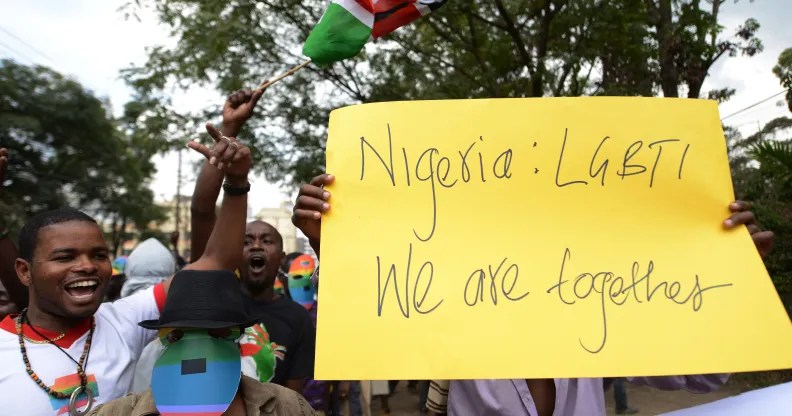
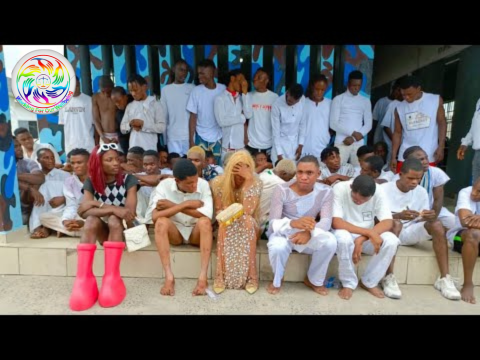
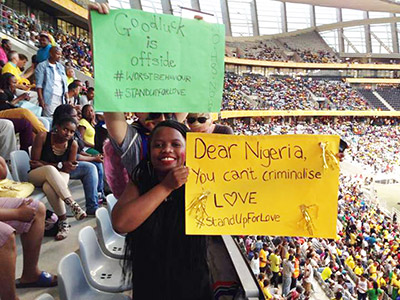
In recent events that garnered international attention, nearly 100 sexual and gender Minority Nigerians were arrested while attending a party. This unfortunate incident sheds light on the broader challenges faced by the LGBT community in Nigeria. Amidst high levels of poverty and socio-economic struggles, the Nigerian government’s strong anti-gay laws, compounded by the existence of Sharia laws in certain regions, exacerbate discrimination and inequality. This article delves deeper into the situation, highlighting the repercussions and missed opportunities for economic growth and development.
The Predicament of Poverty: It is crucial to acknowledge that poverty is a pressing issue affecting the majority of Nigerians. With a large percentage of the population living in abject poverty, the focus of the government should ideally be on implementing policies and strategies that alleviate these conditions and foster sustainable economic growth. However, the plight of the LGBT community should not be neglected or exploited as a divisive tool; rather, it should be addressed within the broader context of social justice and human rights.
Anti-Gay Laws and Discrimination: Nigeria maintains strong anti-gay laws that further marginalize the LGBT community. These laws not only violate basic human rights principles but also perpetuate stereotypes, prejudices, and discrimination. The criminalization of homosexuality undermines the fundamental pillars of equality, dignity, and individual freedoms. Particularly alarming are the sharia laws prevalent in certain regions, which further exacerbate the challenges faced by LGBT individuals. This discriminatory legal framework alienates and targets defenseless members of society instead of providing them the necessary protection and support they deserve.
Arrested LGBT Nigerians
Missed Opportunities and Diverted Focus: While economic growth and development are vital for Nigeria’s progress, it is imperative for the government to prioritize the well-being and rights of all citizens, irrespective of their sexual orientation or gender identity. By targeting defenseless LGBT individuals, the Nigerian government not only perpetuates a hostile environment but also diverts attention and resources from more pressing issues that could positively impact the lives of all Nigerians. This misplaced focus harms the country’s social fabric and tarnishes its image internationally.
The Importance of Inclusivity: Embracing inclusivity and protecting the rights of all citizens, regardless of their sexual orientation or gender identity, is not only a matter of morality and human rights but also a step towards creating a more harmonious and progressive society. Studies have demonstrated the positive correlation between LGBTQIA acceptance and economic growth, as societies that embrace diversity and inclusivity tend to attract individuals with diverse skills, talents, and perspectives, ultimately fostering innovation and economic development.
Promoting Dialogue and Change: Advocacy, dialogue, and education play pivotal roles in challenging discriminatory laws and societal perceptions. By engaging in conversations and raising awareness about the challenges faced by the LGBT community, individuals and organizations can pave the way towards a more inclusive and accepting society. It is crucial to foster understanding, empathy, and respect, debunking myths and stereotypes associated with sexual orientation and gender identity.
The similarities of the situation of LGBT Nigerians and LGBT Cameroonians
While Nigeria and Cameroon are distinct countries with unique social and political landscapes, there are similarities in the challenges faced by LGBT individuals in both contexts. Here are some key similarities in the situation of LGBT Nigerians and LGBT Cameroonians:
* Discriminatory Legislation: Both Nigeria and Cameroon have laws in place that criminalize same-sex sexual activity. In Nigeria, Section 377 of the Nigerian Penal Code and the Same-Sex Marriage (Prohibition) Act serve as legal barriers to the rights and recognition of LGBT individuals. Similarly, Cameroon’s Penal Code includes provisions, such as Article 347 bis, that criminalize consensual same-sex conduct.
* Stigma and Social Exclusion: LGBT individuals in both Nigeria and Cameroon face widespread stigma and social exclusion due to deep-rooted cultural and religious beliefs regarding homosexuality. This stigma often leads to discrimination, harassment, and violence from individuals and communities, making it challenging for LGBT individuals to live openly and access basic services and opportunities.
How poverty and the low purchasing power of LGBT Nigerians play a disadvantage rile to their recognition in Nigeria by both the federal and state government.
Poverty and the low purchasing power of LGBT Nigerians significantly disadvantage their recognition in Nigeria by both the federal and state governments. Here’s how:
1. Limited Economic Influence: The low purchasing power of LGBT Nigerians limits their economic influence within society. Economic power often translates to political influence and the ability to advocate for rights and recognition. However, poverty disproportionately affects marginalized communities, hindering their ability to actively participate in the economic and political spheres. The lack of economic clout can make it more challenging for LGBT Nigerians to gain recognition and push for policy changes that protect their rights.
2. Barriers to Education and Employment: Poverty can create barriers to education and employment opportunities for LGBT individuals. Discrimination and stigmatization can result in reduced access to quality education and employment prospects, perpetuating a cycle of poverty. Without access to education or stable employment, LGBT Nigerians face challenges in increasing their economic well-being and social mobility. This further hampers their capacity to influence government policies and gain recognition.
3. Disproportionate Vulnerability: Poverty places LGBT Nigerians at a higher risk of facing various forms of discrimination, violence, and social exclusion. The lack of financial resources and social support networks can leave them more vulnerable to abuse and exploitation. This vulnerability can hinder the community’s ability to engage with government institutions, making it difficult for their voices to be heard and for their concerns to be addressed effectively.
4. Lack of Social Welfare Programs: In the face of poverty, social welfare programs become crucial for marginalized communities. However, the absence of specific programs targeted at supporting LGBT Nigerians further marginalizes them. A lack of supportive policies and resources within the government results in inadequate social protection measures, exacerbating the challenges faced by the community and deepening their invisibility.
5. Prevailing Social Attitudes: Poverty and low purchasing power intersect with prevailing social attitudes towards homosexuality to create a hostile environment for LGBT Nigerians in Nigeria. Negative societal attitudes fueled by cultural norms and religious beliefs contribute to their exclusion and marginalization. These attitudes influence government policies and pose barriers to recognizing and protecting the rights of the LGBT community.
Conclusion: The recent arrest of close to 100 LGBT Nigerians attending a party brings to light the deep-rooted challenges faced by the LGBT community in Nigeria. The government’s strong anti-gay laws, coupled with socioeconomic struggles and misplaced priorities, perpetuate discrimination and hinder socio-economic development. It is imperative for the Nigerian government to focus on creating a more inclusive society that upholds human rights, fosters acceptance, and allocates resources to address poverty and inequality. By doing so, Nigeria can unlock its full potential, benefiting all its citizens and contributing to a more just and prosperous nation.
In the diverse landscape of the Cameroon LGBT community, the concept of intersectionality greatly influences the lived experiences of individuals. Intersectionality refers to the unique ways in which multiple aspects of identity, such as gender, sexuality, race, and social class, intersect and shape a person’s experiences and access to privilege. Unfortunately, within the Cameroon LGBT community, the effects of intersectionality are evident, as individuals from higher social classes often enjoy privileges and connections that provide them with protection from discrimination and the law, while those from lower social classes face heightened discrimination, stigma, and even legal consequences. This article explores the impact of intersectionality within the Cameroon LGBT community, shedding light on the disparities and calling for equity and justice.
wfw
Challenges for Individuals from Lower Social Classes
Individuals from lower social classes within the Cameroon LGBT community encounter significant challenges due to their intersecting identities. Discrimination, stigma, and social exclusion are often intensified for those who face economic disadvantages and lack social capital. Within a society influenced by various social constructs, these individuals experience limited access to education, employment opportunities, healthcare, and legal protection. This systemic discrimination perpetuates a cycle of marginalization, making them more susceptible to arrest, harassment, and violence.
Inequities in the Justice System
wfw
One striking aspect of intersectionality within the Cameroon LGBT community is the unequal treatment within the justice system. Individuals from higher social classes, often possessing connections and privileges, sometimes evade accountability for their involvement in same-sex activities. In contrast, those from lower social classes may face heightened scrutiny, leading to arrests, torture, and imprisonments.
This disparity further highlights the deeply ingrained biases and systemic injustices present in the legal system. It creates an environment where social class plays a pivotal role in determining one’s access to justice, perpetuating a sense of impunity for influential Cameroonians and exacerbating the marginalization and vulnerability of those from lower social classes.
The Need for Equity and Justice
To create a more equitable society, it is imperative to address these systemic inequalities and ensure that all individuals within the Cameroon LGBT community, regardless of their social class, have equal access to justice, rights, and opportunities. This requires a multifaceted approach that involves legal reform, public awareness campaigns, and the active engagement of stakeholders at various levels.
Legal Reform
Reforms within the legal system are crucial to rectify the inequities that vulnerable individuals face. Efforts should focus on decriminalizing same-sex relationships and protecting the rights of sexual and gender minorities. Equitable implementation and enforcement of existing laws should be a priority, preventing individuals from using connections or social status to evade accountability. Additionally, ensuring fair and impartial trials, regardless of social class or personal affiliations, is essential to upholding justice.
Public Awareness and Education
Promoting public awareness and education is vital to combating discrimination and stigma faced by the Cameroon LGBT community. Engagement with the society and media can help challenge harmful stereotypes and foster understanding and empathy. By highlighting the impact of intersectionality, particularly the struggles faced by those from lower social classes, it becomes possible to unite communities and advocate for inclusivity, compassion, and respect.
Collaboration and Support
Creating a just and equitable society requires collaboration among various stakeholders, including civil society organizations, activists, policymakers, and influential individuals. By working together, these stakeholders can advocate for policy reforms, support initiatives that provide resources to marginalized communities, and amplify marginalized voices. Constructing support networks, offering legal aid services, and empowering individuals from lower social classes within the community can help redress the imbalances caused by intersectionality.
Judicial Imbalances and the pending cases of 14 LGBT persons currently locked up at the Douala Newbell prison.
Cameroonian police
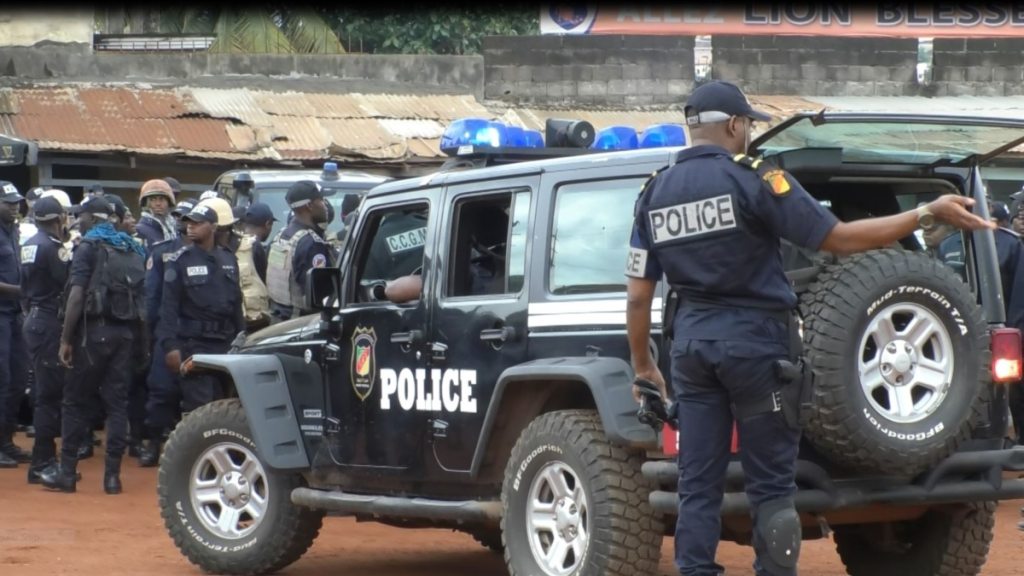
The situation of the 14 LGBT individuals currently detained at the Douala Newbell prison further exemplifies the impact of intersectionality and highlights the inequalities faced by those from disadvantaged backgrounds within the Cameroonian society. The fact that the majority of these individuals have been awaiting trial for months without appearing before a judge is a clear violation of their rights and demonstrates how the anti-homosexuality law disproportionately affects LGBT persons from low social classes.
The recurrent nature of this issue underscores the urgent need for systemic change, legal reform, and advocacy to ensure that the rights of all individuals, regardless of their sexual orientation or social class, are respected and upheld. The long-standing stigmatization and discrimination against the LGBT community in Cameroon perpetuates a cycle of marginalization, injustice, and human rights violations.
To address this issue, there is a pressing need for greater awareness, both domestically and internationally, to put pressure on the Cameroonian government to review and revise discriminatory laws that target the LGBT community. Legal and judicial reforms are crucial to ensure fair and impartial trials for all individuals, irrespective of their background. Upholding the principle of “innocent until proven guilty” and providing timely access to justice are fundamental human rights that should be granted to all individuals, regardless of their social status.
Advocacy organizations, human rights defenders, civil society groups, and international partners should join forces to advocate for the urgent release and fair treatment of the individuals locked up at the Douala Newbell prison. This should be part of a broader effort to push for legal protections, social inclusion, and equal rights for the LGBT community in Cameroon. By amplifying their voices and stories, shedding light on their struggles, and challenging the systemic discrimination they face, we can work towards creating a more just and inclusive society.
It is essential to tackle the root causes of discrimination and address the social, cultural, and economic factors that contribute to the marginalization of LGBT individuals from low social classes in Cameroon. Comprehensive initiatives that provide educational opportunities, economic empowerment, and support networks can help break the cycle of discrimination and empower individuals to assert their rights and challenge societal norms.
The role of Community based organisation in instances like this and the way forward?
Community-based organizations play a vital role in instances like the detention of the 14 LGBT individuals in the Douala Newbell prison. These organizations, such as Working for our Wellbeing, serve as a strong voice for the marginalized and advocate for the rights and well-being of the LGBT community. They provide critical assistance, support, and guidance to those affected by discrimination, including individuals who are unjustly detained.
Working for our Wellbeing, as an active community-based organization, has been at the forefront of providing assistance to these individuals who are locked up. Through their efforts, they have been working tirelessly to support these individuals, ensure their well-being, and advocate for their rights. This crucial assistance includes providing resources such as food, medication, and other necessary provisions, alleviating the hardships they face while detained.
Moreover, networking within the community and establishing partnerships with like-minded organizations, local authorities, and stakeholders is crucial. These networks facilitate collaboration, enable the sharing of resources and expertise, and strengthen advocacy efforts. By building alliances and working collectively, community-based organizations can amplify their voices, advocate for changes in laws, and create a supportive environment for the rights of the LGBT community.
Moving forward, it is essential to continue the fight for the rights and well-being of the LGBT community in Cameroon. This includes advocating for comprehensive legal reforms to decriminalize same-sex relationships and protect the human rights of all individuals, regardless of their sexual orientation or gender identity. The engagement of international partners, human rights organizations, and the broader civil society is invaluable in putting pressure on the government to address these systemic issues.
Conclusion The Cameroon LGBT community grapples with the impact of intersectionality, particularly the disparities faced by individuals based on their social class. It is crucial to acknowledge these challenges and strive for equity and justice. By addressing systemic biases, implementing legal reforms, promoting education, and fostering collaboration, we can create a society that embraces the diversity of identities within the Cameroon LGBT community. Despite the challenges faced by the 14 individuals detained at the Douala Newbell prison, community-based organizations like Working for our Wellbeing have demonstrated its commitment to supporting and advocating for their rights. By providing assistance, networking with other organizations, and actively engaging in advocacy efforts, it is possible to bring visibility and variability to these cases. Through continued collaboration, activism, and education, the path towards justice, equality, and social acceptance can be paved. Together, we can work towards creating a society where every individual, regardless of their social class or sexual orientation, is treated with dignity, respect, and fairness.






 Working for Our Wellbeing