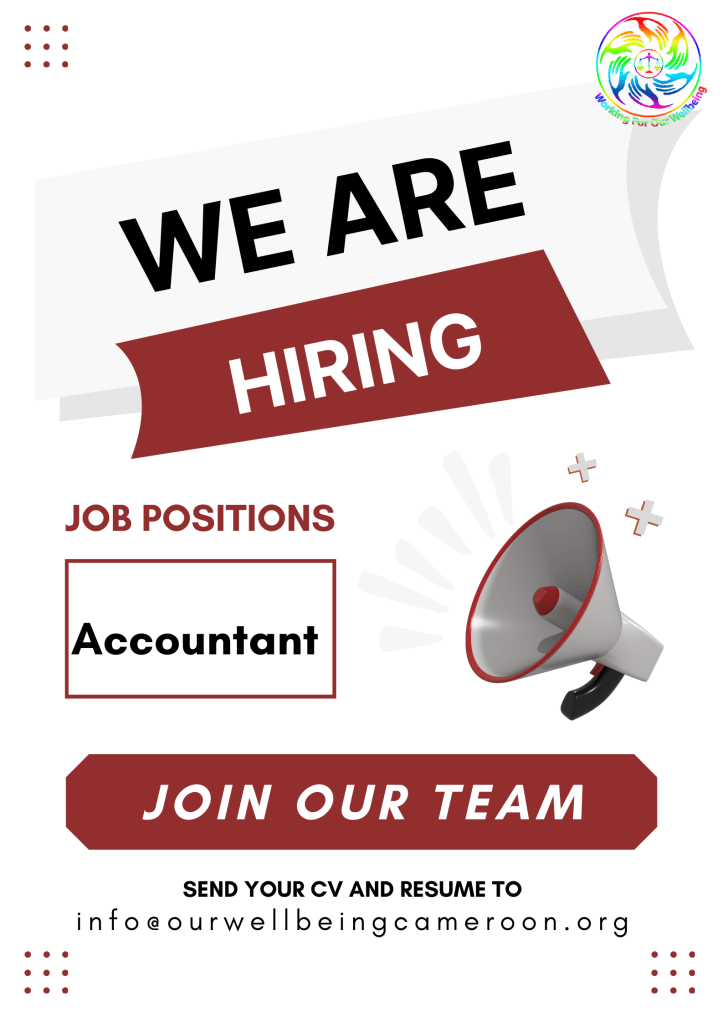
Working for our Wellbeing, a dynamic community-based organization dedicated to promoting gender equity and advocating for the rights of Sexual and Gender Minority (SGM) persons, is seeking an experienced and motivated Accountant to join our passionate team. This is an exciting opportunity to contribute to our mission of advancing the well-being and inclusion of SGM communities.
Position: Accountant
Responsibilities: – Manage day-to-day financial operations, including accounts payable and receivable, payroll, and general ledger entries. – Ensure accurate and timely financial reporting, including the preparation of financial statements, budgeting, and forecasting. – Maintain comprehensive and organized financial records and documentation. – Collaborate with program managers to develop budgets and provide ongoing financial analysis and support. – Conduct periodic internal audits to ensure compliance with financial policies and procedures. – Assist in grant management, including budgeting, reporting, and expense tracking. – Liaise with external auditors and regulatory bodies to ensure compliance with relevant financial regulations and requirements. – Provide guidance and support to the team on financial matters and best practices.
Qualifications: – Relevant experience in Accounting, Finance, or a related field. – Proven experience working as an Accountant, preferably in a non-profit or community-based organization (Optional). – Proficiency in modern accounting tools and software. – Strong knowledge of financial management principles and practices. – Excellent analytical and problem-solving skills. – Attention to detail and accuracy in financial record-keeping. – Ability to adapt to a fast-paced and dynamic working environment. – Strong organizational and time management skills. – Excellent communication and interpersonal skills. – Ability to work effectively as part of a team and collaborate with diverse stakeholders.
Application Process: Candidates who meet the above qualifications are invited to submit their application, including a detailed CV and a cover letter, to
info@ourwellbeingcameroon.org
. Please indicate “Accountant Application – [Your Name]” in the subject line. The deadline for submitting applications is [deadline date].
Working for our Wellbeing is an equal opportunity employer, and we encourage individuals of all backgrounds and identities to apply. We thank all applicants for their interest, but only shortlisted candidates will be contacted for an interview.
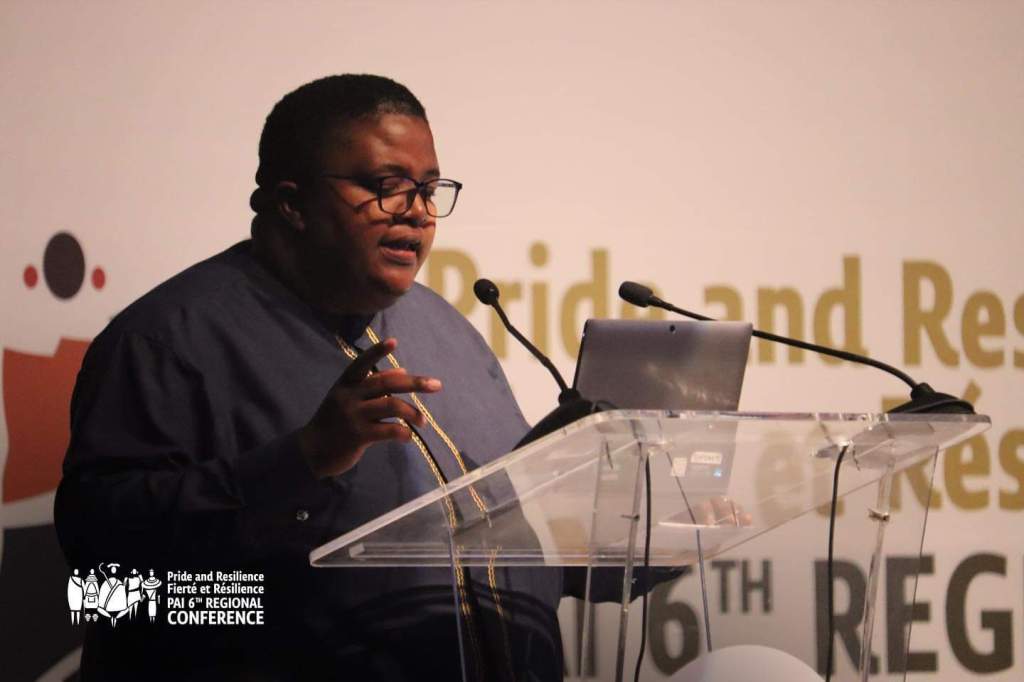
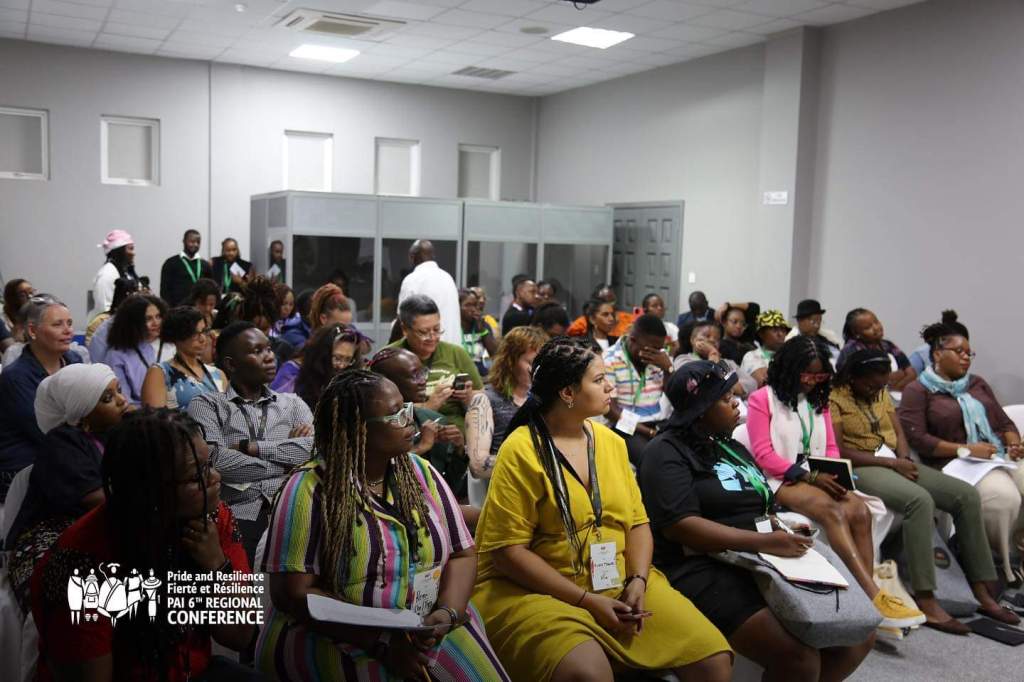
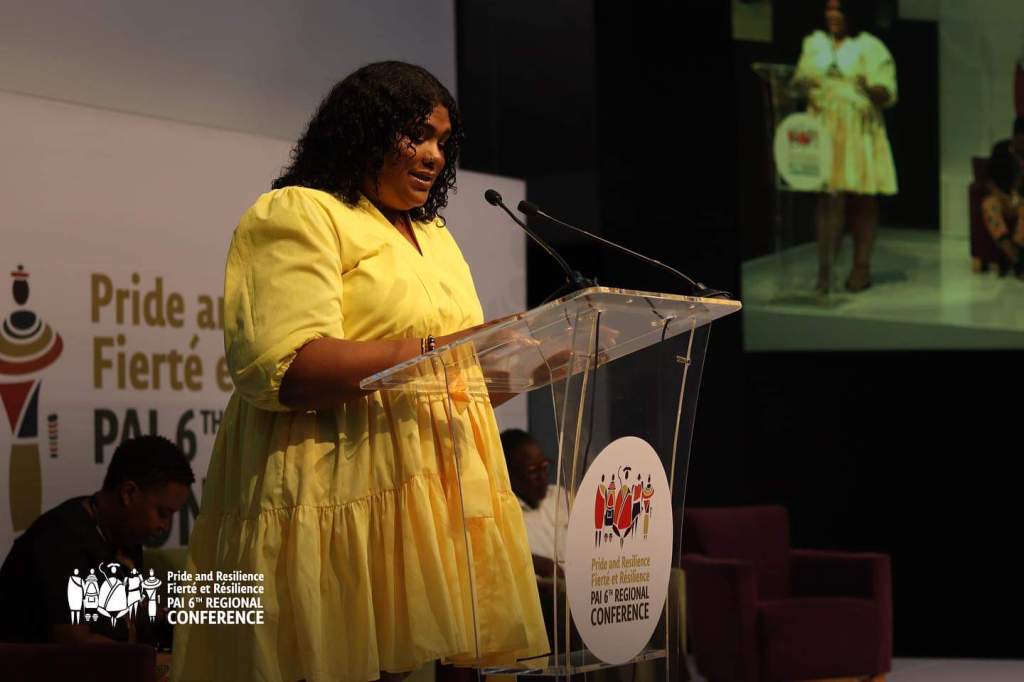
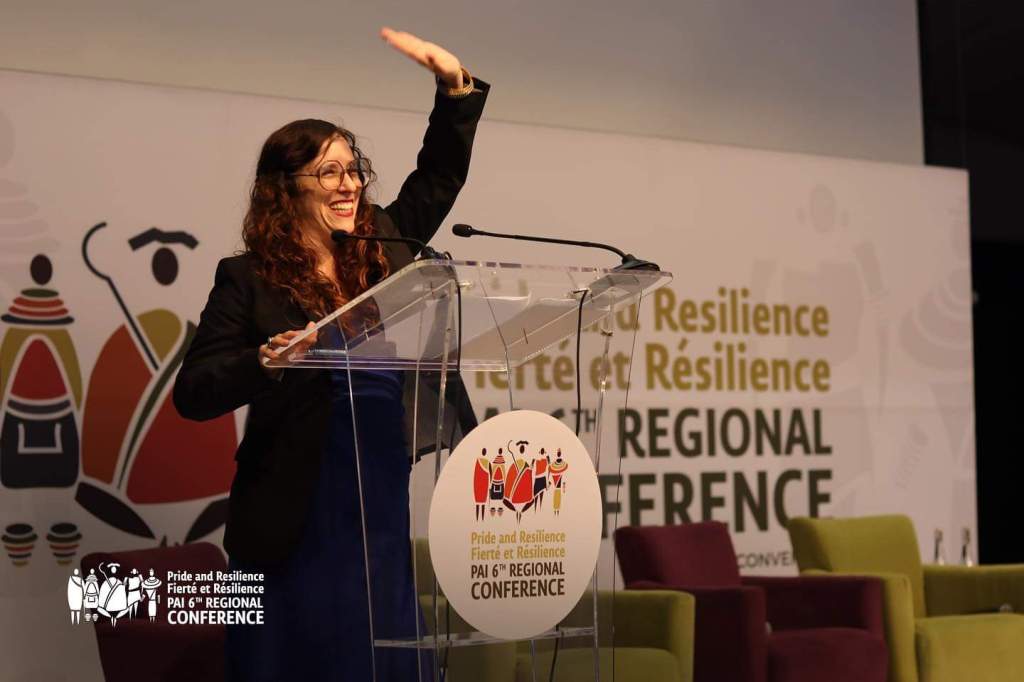
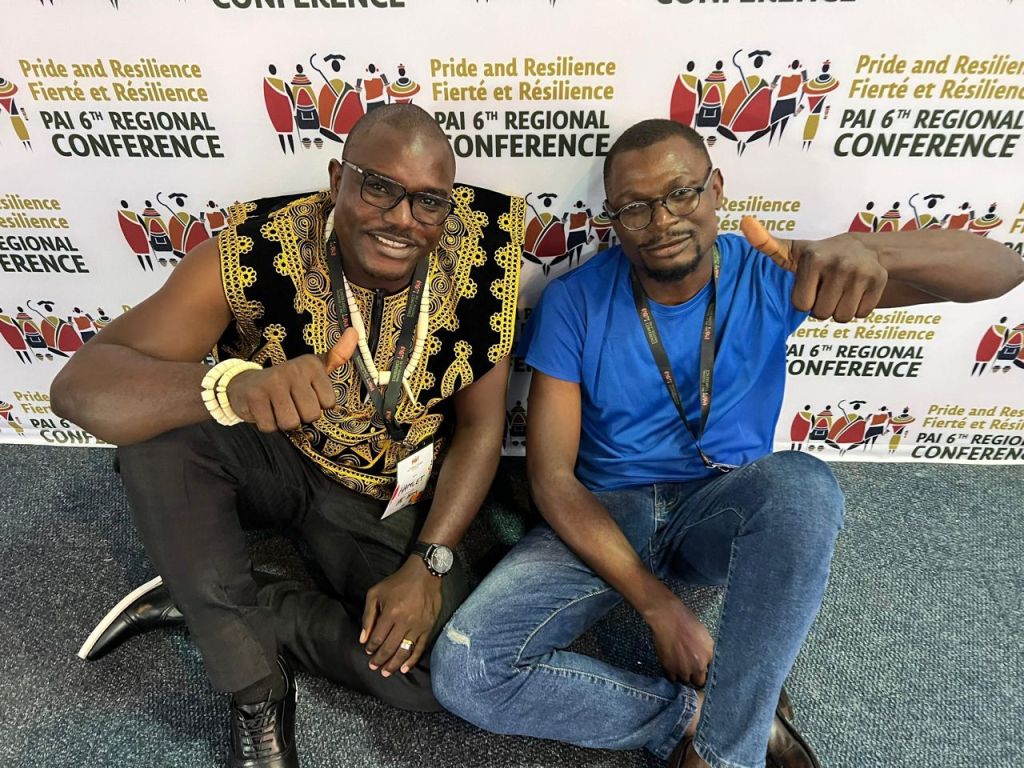
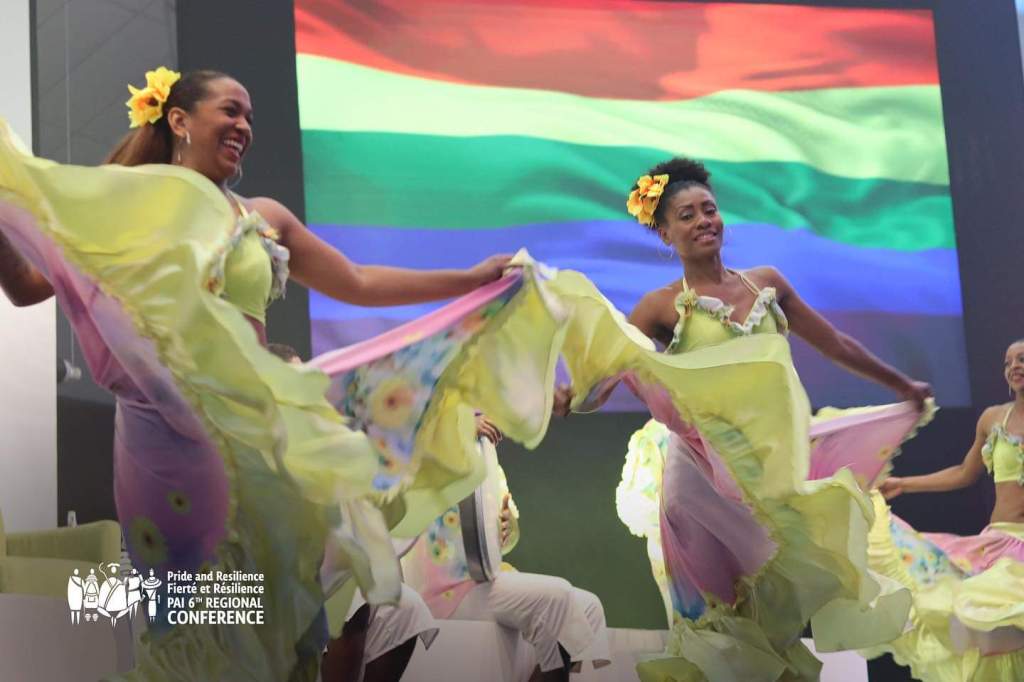
Last week, Mauritius played host to the Pan African ILGA 6th Regional Conference, a significant gathering of over 400 African Sexual and Gender Minority (SGM) activists and organizations. Under the theme “Pride and Resilience,” the conference aimed to chart the progress of the continent in terms of (SGM) rights, address the challenges they face, and explore innovative ways to advocate for Gender Equality and Respect.
Steve Letsike
A Growing Movement
Africa has witnessed an inspiring rise in the SGM rights movement in recent years, with countless individuals and organizations dedicating their efforts to advocating for a more inclusive and accepting society. The Pan African ILGA Conference serves as a testament to the strength of this movement and its enduring commitment to the fight for equality.
Discussion and Progress
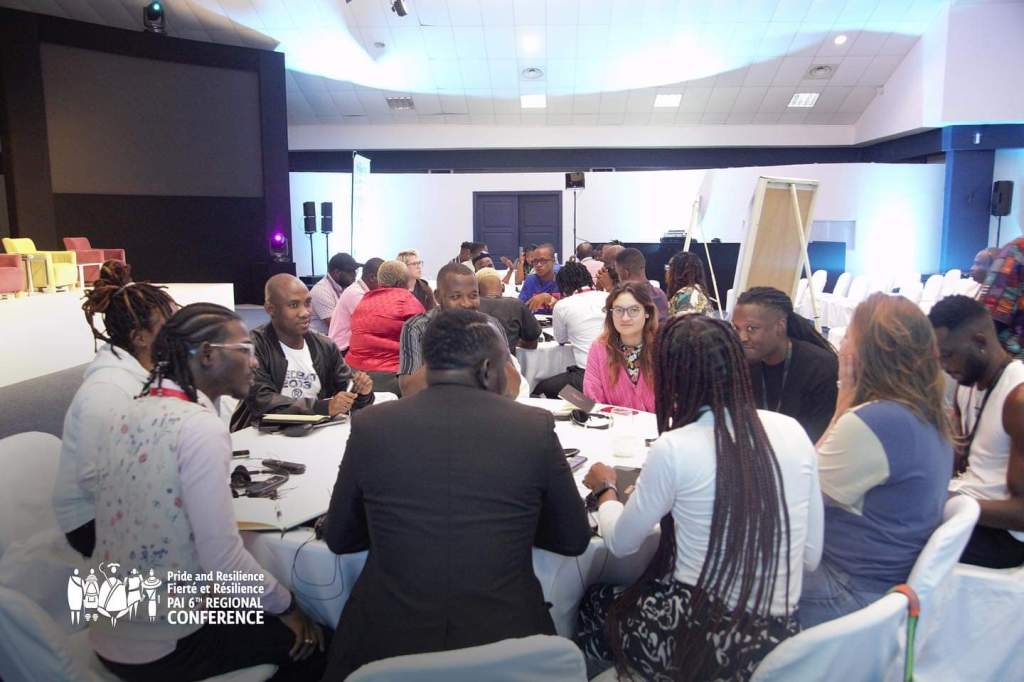
The conference involved vigorous discussions, workshops, and interactive sessions where participants examined the current state of SGM rights across the continent. Activists shared their experiences, successes, and challenges, seeking to learn from one another and collaborate to find effective strategies to further the cause.
One of the primary goals of the conference was to identify the progress made in recent years. African nations such as South Africa, Seychelles, and Mozambique have shown significant strides towards recognizing and protecting SGM rights, enacting legislation, and creating safe spaces. This progress offers hope and inspires activists to continue pushing for change across the continent.
Challenges Faced While progress has been made, the road to SGM equality in Africa remains fraught with challenges. Throughout the conference, participants highlighted the various forms of discrimination, violence, and societal stigmatization that SGM individuals face daily. Legal and cultural barriers continue to impede change, making it crucial to confront these issues head-on.
From criminalization to deeply ingrained cultural prejudices, the activists acknowledged the uphill battle they faced. They also emphasized the importance of fostering collaboration between local LGBT organizations, human rights advocates, and governmental bodies to create an inclusive society that respects and protects the rights of all individuals, irrespective of their sexual orientation or gender identity.
Building Advocacy and Resilience
The Pan African ILGA Conference not only showcased the diverse voices of African LGBT activists but also reaffirmed the resilient spirit that drives them. The event provided a platform to discuss effective advocacy strategies and share experiences, enabling activists to build networks, exchange knowledge, and forge robust alliances that amplify their collective voices.
Participants also focused on creating awareness campaigns that challenge societal perceptions and dismantle stereotypes surrounding LGBT individuals. By sharing personal stories and experiences, activists aim to foster empathy, understanding, and acceptance among broader communities, with the hope of securing a more inclusive future.
Empowering Future Generations
One of the fundamental aspects of the conference was empowering young activists and fostering intergenerational collaboration. Recognizing the power of youth in promoting change, the attendees strived to nurture and mentor emerging leaders, empowering them to take the movement forward. By ensuring that the fight for LGBT rights lives on in future generations, the conference aimed to establish a sustainable and enduring impact in Africa.
What does this mean for the African Human Rights point of view on sexual and gender minority issues? What is the way forward and what does this conference offer to the broader African context.
The Pan African ILGA Conference holds significant implications for the African Human Rights perspective on sexual and gender minority issues. Here’s an overview of its impact and the way forward:
1. Acknowledgment and Recognition: The conference sheds light on the urgent need to acknowledge the rights and dignity of sexual and gender minorities in Africa. By bringing together activists, organizations, and stakeholders in this arena, the conference served as a platform to recognize the issues faced by LGBT individuals in Africa, highlighting their struggles, hopes, and aspirations.
2. Building Networks and Collaboration: The conference offered a unique opportunity for activists and organizations to build networks, exchange knowledge, and collaborate on advocacy strategies. This interconnectivity fostered a united front in addressing LGBT rights issues, enabling a broader impact through shared experiences, resources, and strategies. By promoting collaboration, the conference encouraged sustained efforts to advocate for change across the continent.
3. Collective Strength and Solidarity: The conference reinforced the importance of collective strength and solidarity in the fight for LGBT rights. By bringing together activists from diverse backgrounds and nations, the event showcased the resilience and determination of the LGBT community across Africa. This shared platform promoted a sense of solidarity, empowering activists to confront common challenges and navigate obstacles with renewed vigor.
4. Amplifying Voices and Raising Awareness: The conference provided a space for LGBT activists to amplify their voices and raise awareness about the challenges faced by sexual and gender minorities in Africa. By highlighting the personal stories, struggles, and triumphs of LGBT individuals, the conference aimed to increase empathy, understanding, and acceptance within broader African societies. This enhanced awareness of LGBT issues has the potential to challenge harmful stereotypes, change attitudes, and shift societal perceptions.
5. Strengthening Legal and Policy Frameworks: The conference served as a platform to discuss legal and policy frameworks related to LGBT rights in Africa. By sharing best practices and lessons learned, activists could develop strategies to advocate for progressive legal reform and policy changes. This may include decriminalizing same-sex relationships, enacting anti-discrimination laws, and promoting inclusive education initiatives. Through coordinated efforts, the conference aimed to bring about positive changes at both national and regional levels.
Moving forward, the conference offered tremendous potential for the broader African context
1. Promoting Social Change: By encouraging dialogue and understanding, the conference has the power to challenge deeply ingrained cultural prejudices and societal norms regarding sexual and gender minorities. Its ripple effects can extend beyond the attendees to broader African communities, fostering societal change, and fostering acceptance and inclusion.
2. Empowering Grassroots Movements: The conference emphasizes the importance of grassroots activism in driving change. By empowering local LGBT organizations and emerging activists, the event strengthens their capacity to advocate for LGBT rights from within their respective communities. This localized approach allows for tailored strategies that resonate with African contexts, contributing to sustainable and long-lasting change.
3. Engaging with Governments and Institutions: The conference enables activists to engage with governmental bodies, policymakers, and regional institutions to advocate for LGBT rights. Through dialogue and collaboration, conference participants can seek to influence policy decisions and initiatives that prioritize the rights of sexual and gender minorities. By working closely with governments, the conference contributes to creating an enabling environment for legal reforms and policy changes.
Conclusion
The Pan African ILGA 6th Regional Conference in Mauritius served as a powerful platform for African LGBT activists and organizations to come together, celebrate their progress, and strategize for the future. The event showcased the resilience and determination of these individuals in the face of adversity and discrimination. Moving forward, the participants will harness the knowledge and connections developed during the conference to continue pushing boundaries, challenging stereotypes, and advocating robustly for LGBT rights. Together, they stand poised to build a more inclusive Africa, where every individual, regardless of sexual orientation or gender identity, can live with dignity, equality, and pride.
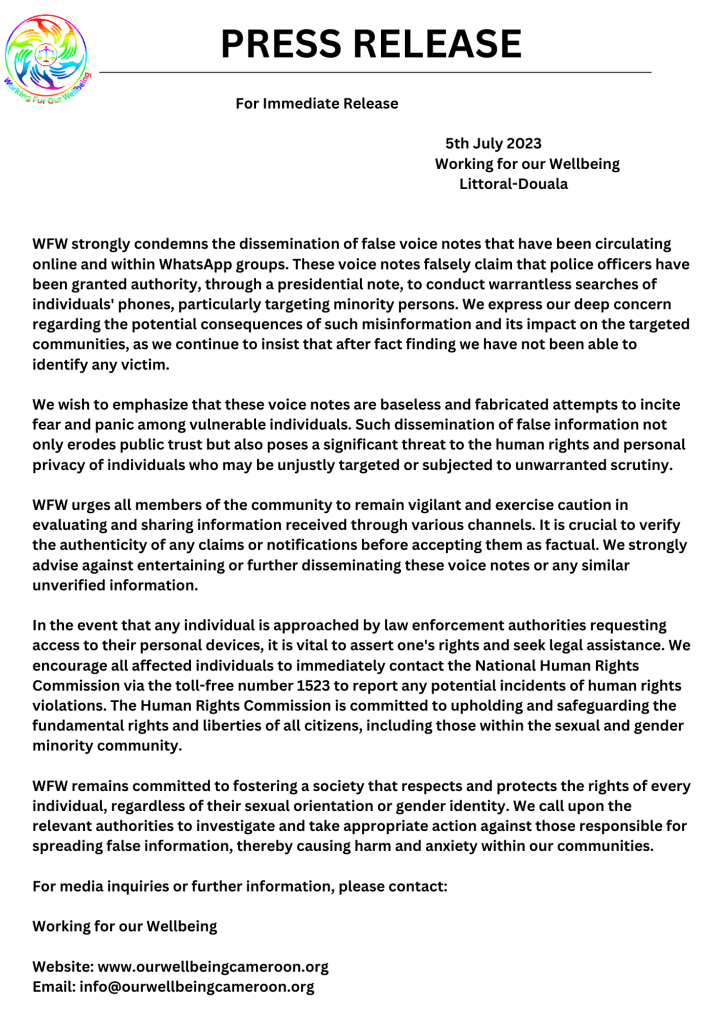
For Immediate Release5th July 2023Working for our Wellbeing Littoral-DoualaWFW strongly condemns the dissemination of false voice notes that have been circulating online and within WhatsApp groups. These voice notes falsely claim that police officers have been granted authority, through a presidential note, to conduct warrantless searches of individuals’ phones, particularly targeting minority persons. We express our deep concern regarding the potential consequences of such misinformation and its impact on the targeted communities, as we continue to insist that after fact finding we have not been able to identify any victim.We wish to emphasize that these voice notes are baseless and fabricated attempts to incite fear and panic among vulnerable individuals. Such dissemination of false information not only erodes public trust but also poses a significant threat to the human rights and personal privacy of individuals who may be unjustly targeted or subjected to unwarranted scrutiny.WFW urges all members of the community to remain vigilant and exercise caution in evaluating and sharing information received through various channels. It is crucial to verify the authenticity of any claims or notifications before accepting them as factual. We strongly advise against entertaining or further disseminating these voice notes or any similar unverified information.In the event that any individual is approached by law enforcement authorities requesting access to their personal devices, it is vital to assert one’s rights and seek legal assistance. We encourage all affected individuals to immediately contact the Human Rights Commission via the toll-free number 1523 to report any potential incidents of human rights violations. The Human Rights Commission is committed to upholding and safeguarding the fundamental rights and liberties of all citizens, including those within the sexual and gender minority community.WFW remains committed to fostering a society that respects and protects the rights of every individual, regardless of their sexual orientation or gender identity. We call upon the relevant authorities to investigate and take appropriate action against those responsible for spreading false information, thereby causing harm and anxiety within our communities.
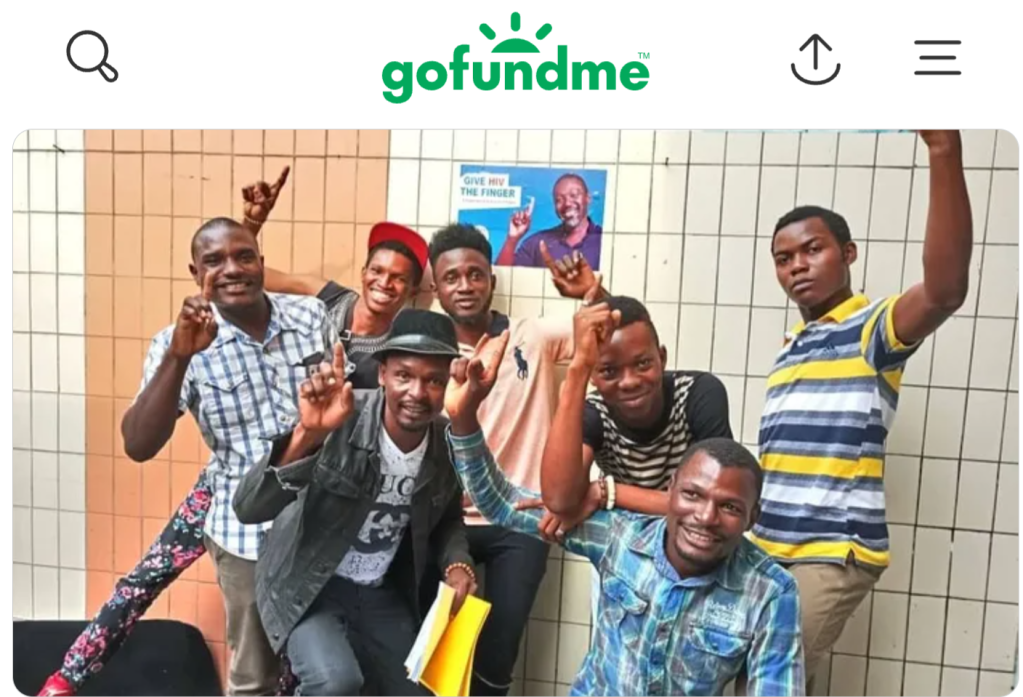
Description: Welcome to our GoFundMe campaign in support of Working for Our Wellbeing (WFW), a non-governmental organization dedicated to advocating for equal rights and access to healthcare for sexual and gender minorities in Cameroon. At WFW, we strive to create a safe space where marginalized individuals can connect, grow, and be empowered. Through our essential healthcare services, social programs, and shelter initiatives, we aim to bring together at-risk community members and promote a society that embraces inclusivity and belonging.
About Us: At Working for Our Wellbeing, we strongly believe that the voices of sexual and gender minorities need to be heard by local authorities. Our organization is committed to documenting and raising awareness about the crimes and violence faced by these marginalized communities across Cameroon. By advocating for their rights, we strive to foster a society that treats all individuals with dignity and respect, free from discrimination.
Our Activities: We empower community members in Cameroon with a particular focus on the 2 English-speaking regions.
Working for Our Wellbeing is one of the few non-profits actively championing the rights of sexual and gender minorities in Cameroon, with a special focus on the two English-speaking regions. Through our advocacy efforts, we uplift and support community members, working tirelessly to ensure their equal treatment and protection under the law.
Support Our Cause: Whether you are a resident of Cameroon in need of community support or an ally seeking to make a difference, we welcome you with open arms. Your contribution, no matter the amount, will directly impact the lives of marginalized individuals. Here are some ways your donation can make a difference:
Safe House Support: $25: Provide a day of shelter for at-risk community members $100: Contribute to the maintenance and operational costs of the safe house Volunteer Stipends: $50: Support stipends for volunteer staff members who provide vital services Focus Groups and Sharing Circles: $75: Help fund discussions and support groups for sexual and gender minorities Wrap-Around Social Services: $150: Provide essential support services for victims of identity-based violence Technical Support for Activist Debates and Interviews: $200: Assist in organizing and promoting impactful discussions on LGBTQ+ rights
Every donation counts and will go directly toward our services, healthcare, food, and shelter for at-risk community members. Your support will help us create a more inclusive and equitable society in Cameroon.
Join us in our mission to advocate for equal rights and access to healthcare for sexual and gender minorities. Together, we can build a more compassionate and accepting community.
Working for our Wellbeing is a Community based organization working to uphold equal rights for sexual and gender Minority persons in Cameroon. We have been working since 2016 to advance on issues of human rights, gender equality and the respect of fundamental freedoms. As we continue to grow as a team, it is very important for us to give learning opportunities to young interns who will like to learn from the great team of experts we work with.
What we want
We are eager to welcome talented and passionate individuals from all backgrounds. We believe that everyone should have the opportunity to contribute and learn within our organization. We value the diverse experiences and perspectives of our interns and recognize the importance of fostering an inclusive environment. We are committed to creating a safe and respectful workplace that is free from discrimination and harassment. We strive to ensure that our interns feel supported and respected during their time with us and our organization.
Internship Position Available
We are seeking candidates for three amazing intern positions: Communications, Monitoring and Evaluation, and Human Rights.
-The Communication Intern will be in charge of developing our messaging and outreach to ensure that our message is heard. He/She will be responsible for creating content for our various channels, such as newsletters, social media, and websites, as well as engaging with the community directly through events, workshops, and more. He/She will be supervised by the head of the communication department. Learning as an intern will be practical.
-The Intern on Monitoring and Evaluation role, He/She will be focusing on analyzing and evaluating our activities and programs to ensure they are making the impacts we intend. He/She will be carrying out field visits and research to measure our success, and providing crucial feedback for implementing better strategies. He/She will be supervised by the head of the Monitoring and Evaluation department. Learning as an intern will be practical.
-Finally, the Intern on the Human Rights role, He/She will be required to Research and analyze on international human rights topics, Develop and implement human rights advocacy strategies, Write reports and other documentation on advocacy initiatives. He/She will be supervised by the head of the Human Rights Coordination department. Learning as an intern will be practical.
TECHNICAL EXPERTISE, SKILLS AND KNOWLEDGE
Language required:•
Excellent writting and verbal communication skills in English and or French. Being Bilingual will be an added advantage.
Skills:•
Proficiency in Microsoft Word and Excel
• Flexible work attitude and ability to work, and learn as a team
• Strong leadership and communication skills• Excellent relationship building skills – networking, influencing and stakeholder management skills
• Experience in capacity building of others• Holds self and team accountable for delivering results;
Behaviors:•
Role model to our values and behaviors both internally and externally.
• Engages sensitively with community members on issues of gender equality and inclusion, demonstrating an understanding of the local culture and context.
• Apply participatory influencing methodologies both internally and externally
• The ability to build collaborative working relationships
• Ability to influence
• Uses creativity to challenge the norm and promote innovation and thinks and acts for the wider organization.
• Communicates effectively at a high level and with a range of appropriate styles for different audiences.
• Builds capability through knowledge sharing, networking, mentoring, coaching and advocates the importance of knowledge management.
Application:
If you are interested in applying for one of the positions, please send your CV and cover letter to our email address: info@ourwellbeingcameroon.org
with Subject “Application for Internship”.
NB: Monthly Stipend(s) will be given to interns to cover their transportation cost throughout their internship period.
It has been a tumultuous last few days in Cameroon. We have been sitting on the sidelines and watching the flurry of opinions on the now-cancelled visit of a French ambassador for LGBT rights to Cameroon.
What we have seen, however, is a very rare moment of communion between the people of Cameroon for the most part and their very inept government. It would seem the question of sexual orientation is the one common thing that Cameroonians (for the most part) are in accord with, with their government.
We are not going to play an intellectually dishonest card like many people we have seen try to short-circuit the argument by saying that Cameroonains do not know how to complain about their rights on any given day but are quick to draw daggers when the question of what people do in the privacy of their bedroom is brought to the front.
We complain about these things. And as a society, we are as homophobic as we are cowardly. Make no mistake, we truly are. It is easy to get blindsided by the many voices on social media that ask people under the LGBT umbrella to be left alone, and think that this is representative of the real world. It really isn’t. While many people who are connected online can be viewed as being more enlightened on the topic and even more tolerant, we have to remember that they remain an infinitesimal number with loud voices and that internet penetration in Cameroon is still wanting.
That being said, there are many who would agree that the current pushback is somewhat reflective of the place where the fight for the rights of the LGBT people is today. Irrespective of your feelings on the topic, these people are first of all people. They bleed red like every other person and they deserve basic human rights like every other person. More and more the LGBT fights today in Western countries has gone beyond that basic demand that they had to fight for so many years, to now include what we can term as rather lofty ones on the issues of identity and gender.
Make no mistake, many people under that umbrella are still being targeted and harassed and beaten today just as The Two trans women who were caught and beaten in the streets of Deido two years ago. One cannot say the battle is entirely won for them. But in the eyes of many, the group that was once marginalized has somehow been able to gain power and influence to the point that they have influenced corporations, have gotten disproportionate representation in media entertainment content, and have increasingly become repressive in how they want the rest of the world to see and interact with them Particularly in the western part of the world.
It is not uncommon today to hear that people are being cancelled and losing their jobs because of the use of the wrong pronouns to address someone. Their sway on politics and institutions is becoming a bit of a chokehold and there’s some unnecessary fear-mongering that is stirred when the issues of the community are brought up.
And still on the subject of football, footballers are not allowed to show any political leanings on the pitch. But the Rainbow community gets a pass and footballers, like Idrissa Gueye, who refused to wear a rainbow-ed jersey are taken off the match sheet.
We all remember the day Ketanji Jackson Brown, the first black woman to serve as a supreme court justice in America was being heard by the Senate judicial committee before her official swearing-in. She was asked to define what a woman is, and she couldn’t. Rather, she wouldn’t. Why? Out of the fear of the backlash she would get from the rainbow community. And she has since been sworn in as a supreme court justice of the USA.
Understandably that is one reason for the pushback from some Cameroonians who feel that “things are being forced down their throats.” For the others, it is just simple and overt homophobia. Nothing more. At the end of the day, we are going to have to deal with the issue. There is still a lot that people, in general, have to learn about the topic; like breaking the erroneous belief that homosexuality was brought by white colonialists. A lot of learning and unlearning is to be done. We often feel like we have been given the short end of the stick. For many Western societies, many have been up the Maslow pyramid for so long that they have the philosophical largesse to entertain this topic and the wide spectrum on which it lies today.
For us at the bottom still trying to figure out our basic needs and are now having to deal with issues that are best dealt with on a full stomach and with no fear of ENEO cutting your lights, we obviously have a hard time grappling with it. We treading a very tenuous argumentative line, but sure, you are smart enough to understand what we are trying to say. One way or the other, we as Cameroonians are going to have to deal with it.
We live in a global village and an ambassador doesn’t need to hit the tarmac at Nsimalen to carry out his mission in the digital world we live in today. People are going to be reached no matter what. But for us, perhaps we have to understand that this issue is first of all an issue of human rights.We live in a country in which administrative buildings and universities are built in 2023 with no wheelchair ramps.
That too is an issue of human rights. And it is with a very heavy heart that we say we are a long way from achieving basic universal human rights for all citizens in Cameroon. And until we come to see human rights in its globality first like this, through these lenses, we will have a long, long walk ahead of us. And with this current government, we am afraid there is no end in sight.
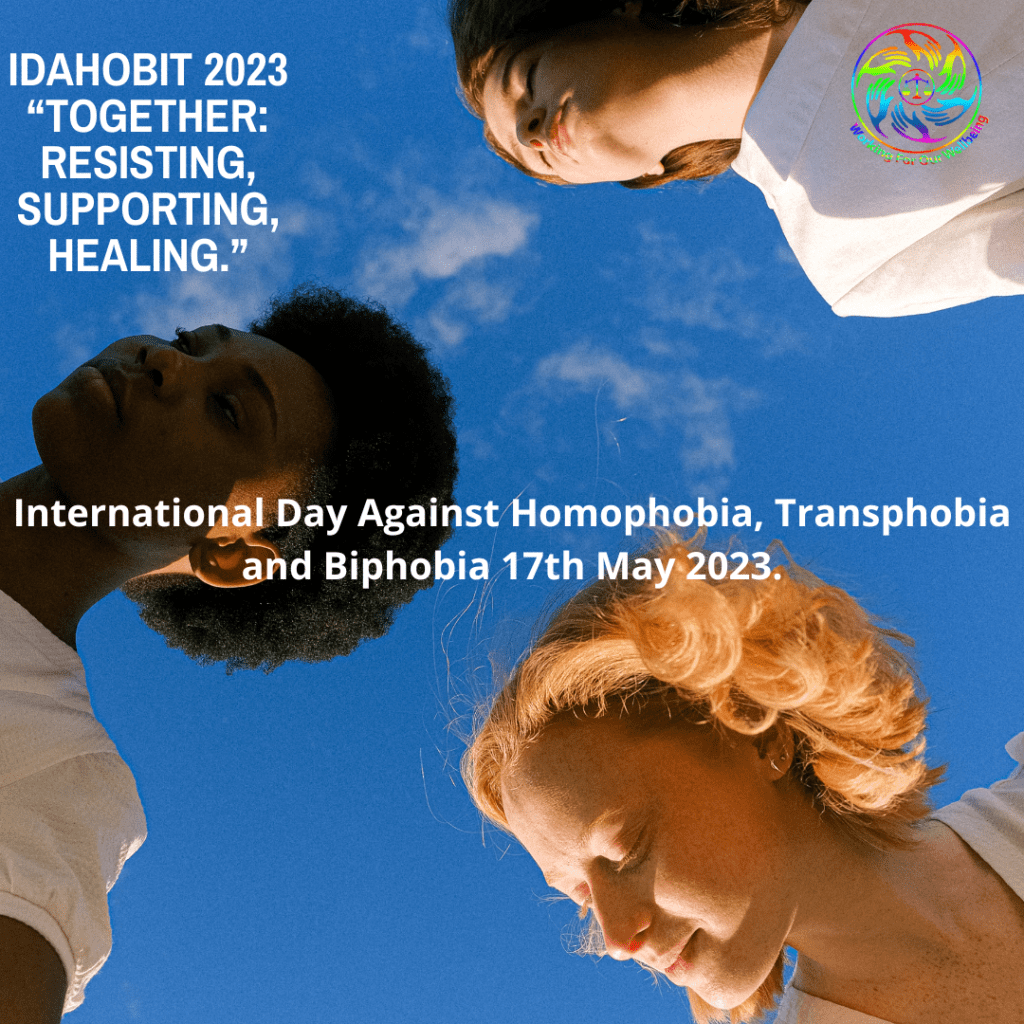
Today, on the International Day Against Homophobia, Biphobia, and Transphobia, we stand in solidarity with the LGBTQIA community in Cameroon and around the world. We recognize the discrimination, stigma, and violence that many LGBTQIA individuals face every day, simply because of who they are and who they love.
But we also celebrate the resilience and strength of the LGBTQIA community, who continue to fight for their rights and dignity, despite the many challenges they face. We honor their courage and determination, and we pledge to stand with them in their struggle for equality and justice.
We believe that every individual deserves to live without fear of discrimination, violence, or persecution, regardless of their sexual orientation, gender identity, or expression. We call for a more inclusive and accepting society, where diversity is celebrated and everyone is valued and respected.
We acknowledge the pain and trauma that comes with being marginalized and stigmatized because of sexual orientation, gender identity, and expression. We recognize that the struggle for acceptance and equal rights is ongoing, and that progress may be slow, but we must continue to fight for a more inclusive and accepting society.We also recognize the bravery of those who have come out and shared their stories, despite the risks of violence and discrimination. Your courage is an inspiration to us all, and we stand with you in your fight for equality and human rights.We must continue to work towards creating a society where every individual, regardless of their sexual orientation, gender identity, or expression, can live without fear of discrimination, violence, or persecution. Let us join hands and work towards a future where love is love, and everyone is free to be who they truly are.
On this International Day Against Homophobia, Biphobia, and Transphobia, let us remember that we are all human beings, deserving of respect, dignity, and love. Let us stand together in solidarity, supporting, resisting, and healing as we work towards a more inclusive and accepting society for all.
Today, let us come together to resist discrimination, to support those who are marginalized, and to heal the wounds of injustice. Let us stand in solidarity with the LGBTQIA community, and let us work together to build a better, more just world for all.
This year, we at Working for our Wellbeing will be celebrating IDAHOBIT with our beneficiaries in a special way, by bringing them closer to one another and sharing lived experiences. While hoping to bring them together another day for a photo exhibition which we were supposed to do today but due to certain reasons out of our control and the late arrival of materials will be pushed for another date within the month or next Month.
Be Merry, We love you and will continue to stand by you, defending you at all times.
The social integration of LGBTQIA persons in Cameroonian society is a complex and multifaceted issue that requires the attention and support of all members of society. For far too long, LGBTQIA individuals in Cameroon have faced discrimination, stigma, and violence due to their sexual orientation and gender identity. This discrimination is often fueled by deeply ingrained cultural and religious beliefs, as well as a lack of legal protections for LGBTQIA individuals.
However, there are some glimmers of hope for the future. In recent years, there has been a growing movement of LGBTQIA individuals and allies in Cameroon who are working tirelessly to promote acceptance and understanding of sexual and gender minorities. Just like others, Working for our Wellbeing is on the forefront of this movement, providing vital services and support to LGBTQIA individuals in Cameroon.
One of the key issues facing LGBTQIA individuals in Cameroon is the lack of legal protections for their rights. Same-sex sexual activity is still criminalized under Cameroonian law, and LGBTQIA individuals are often subject to arbitrary arrest, detention, and harassment by law enforcement officials. This legal discrimination not only violates the basic human rights of LGBTQIA individuals, but also perpetuates a culture of stigma and discrimination that makes it difficult for them to fully participate in society.
In order to promote the social integration of LGBTQIA persons in Cameroonian society, it is essential to address these legal barriers and work towards the establishment of legal protections for LGBTQIA individuals. This will require a sustained effort by civil society organizations, the government, and the international community to promote awareness and understanding of the human rights of LGBTQIA individuals and to advocate for legal reforms that protect their rights.
In addition to legal protections, it is also important to promote greater awareness and understanding of LGBTQIA individuals within Cameroonian society. This can be achieved through community outreach and education programs that promote acceptance and understanding of sexual and gender minorities. These programs can help to break down the cultural and religious barriers that often contribute to discrimination against LGBTQIA individuals and promote a more inclusive and accepting society. Today, WFW is taking the lead and breaking social stigma by providing help and the much needed services to sexual and gender minority person’s in Cameroon.
Working for Our Wellbeing was founded in 2016 and legalized in 2018. The organization was founded out of the need to address important and common challenges faced by sexual and gender minorities in Cameroon, such as Homophobia and the existence of criminal laws against LGBTQIA people including the Cybercrime Act of 2010 and Section 347/1 of the Penal Code criminalizing same-sex sexual relations with prison terms ranging from 6 months to 5 years and heavy fines. As a result, we saw the need to come out and help these persons who were struggling not only with their sexuality, insecurity, and the violent homophobic population but also with the law, which seemed to be a driving factor in advancing gender based violence against sexual and gender minorities in Cameroon and more specifically in the North West, South West, Littoral and West regions of Cameroon.
As an organization, we are committed to upholding equal rights and access to health and social services for sexual and gender minorities in Cameroon. The organization offers a handful of services to community members through its various activities. These services are designed to meet the needs of LGBTQIA people in the community based on location and common challenges they face based on their perceived or actual sexual orientation and/or identity. One of our main areas of intervention includes psychological support, we also provide legal assistance, defend LGBTQIA rights, and educate LGBTQIA people about health care and their safety in a hostile environment where criminal laws breed hatred , stigma, exclusion, gender-based violence and homophobia.In addition, we understood the values shared by the community and the common challenges they face, ranging from safety, discrimination in the workplace, and limited access to health and public services due to stigma, and lack of housing. For this reason, we have decided to set up an emergency shelter in Douala, the largest city in Cameroon, providing residents with vital shelter, food, clothing, medicine, legal assistance, and psychological support. We go so far as to look for ways to empower them through entrepreneurship training and various aspects including the production of locally consumed products such as liquid soap, detergent, pastries, etc. so that they can become self-sufficient and independent when they leave the shelter. We currently have an incredibly long waiting list, particularly due to the Anglophone Crisis in the North West and South West Regions of Cameroon which has caused over 800,000 internally displaced, Boko Haram in the North Region, and various multifaceted crises that have destabilized some regions and gay people still leave the country more vulnerable to homelessness and targeted abuse. Below you will find a detailed summary of our achievements in the services we offer such as accommodation, psychological assistance, legal assistance, advocacy, awareness campaigns, lobbying, etc.
1. Legal assistanceWe play an important role in providing legal assistance to LGBTQIA+ people who have been arrested and detained because of their sexual orientation or gender identity. Working for our welfare ensures that the rights of sexual and gender minorities are protected and that they receive fair treatment under the law as full citizens through our legal aid program. We provide legal representation to LGBTQIA+ people arrested and charged with crimes related to their sexual orientation or gender identity.
2. psychological help: Working for Our Wellbeing plays an important role in the psychological support of LGBTQIA+ people who suffer from mental health problems due to their sexual orientation or gender identity. Through our Mental Health Support Program, WFW provides counseling and therapy services to LGBTQIA+ people facing mental health issues such as depression, anxiety, or trauma related to discrimination or violence. The organization also works to raise awareness in the LGBTQIA+ community about mental health issues and promote better access to mental health resources and services.Additionally, our mental health program is specifically designed to help people struggling with self-acceptance, suicidal thoughts, depression, and anxiety. We also offer counseling, therapy, and support groups aimed at addressing LGBTQIA+ mental health issues with the help of a psychologist. However, it is important to note that providing psychological support to LGBTQIA+ people in Cameroon can be difficult due to the hostile social and legal environment towards the community. LGBTQIA+ people in Cameroon face significant discrimination, stigmatization, and harassment against those who are openly LGBTQIA+. Consequently, providing psychological help to LGBTQIA+ people, like us, requires significant resources and support.
3. Refuge: One of the core assets that we hold in high regard and is very crucial is the shelter that we provide. We believe that everyone deserves a home no matter who they identify as. We run shelter and safe spaces that provide housing for LGBTQIA+ people who have been rejected by their families. By providing transitional housing and support services to LGBTQIA+ people who are homeless or at risk of becoming homeless due to their sexual orientation or gender identity, we assist them through support group programs and training designed to prepare them for entrepreneurship in a way that they can become economically independent when they leave the shelter. The organizations also provide a safe place for LGBTQIA+ people to come together, socialize, and gain support from others in the community who may be facing similar challenges.However, it is important to note that providing shelter and safe spaces for LGBTQIA+ people in Cameroon can be challenging due to the hostile societal and legal environment towards the community. In Cameroon, same-sex sexual activity is criminalized and punishable by imprisonment, and LGBTQIA+ people often face discrimination, harassment, and violence. Despite these challenges, we continue to play an important role in providing support and services to LGBTQIA+ people who may be shunned and discriminated against by their families and communities. These challenges are not just limited to the law and the hostile environment, but also to fundraising to make the safe space work.
4. Sensitization: It is important to note that Cameroon is known for its conservative stance towards the LGBTQIA+ community, with homosexuality viewed as a crime punishable by imprisonment. Despite this, we have worked to raise awareness and advocate for community rights. The organization also engages in advocacy and awareness-raising activities to challenge the societal stigma and discrimination faced by the community. Through our work and activities, we have been able to raise awareness of sexual and gender minority issues, thereby fostering greater acceptance and understanding of the community. This was done by organizing various events and campaigns, including “IDAHOT, Gender and ARTs expression, All Equal but Human and”, traveling to different regions of Cameroon to spread awareness of the community and its rights.
5. Lobbying: In terms of lobbying, we have engaged in advocacy over the years to challenge discriminatory laws and policies and promote greater community acceptance and understanding. One of the main ways we have lobbied is through advocacy campaigns. These campaigns are designed to raise awareness of the challenges facing the community and promote greater understanding and acceptance of LGBTQIA+ people. For example, in 2022, we visited Cameroon’s National Assembly Chamber to garner support as well as a handful of embassies aimed at influencing policy and legislative change. Some of our efforts include working with policymakers and other stakeholders to encourage changes to laws and policies that discriminate against the LGBTQIA+ community. For example, pushing for the repeal of laws criminalizing homosexuality and the introduction of legal protections for LGBTQIA+ people.
6. Prison visits: WFW plays a vital role in visiting LGBTQIA people who have been imprisoned because of their sexuality, and supporting incarcerated LGBTQIA people by providing them with emotional support, legal advice, food, and medical care. We also work to ensure that LGBTQIA people in prison are treated fairly and humanely and that their rights are protected. However, it is important to note that visiting LGBTQIA people detained in Cameroon can also be difficult due to the hostile legal and social environment towards the community. LGBTQIA people imprisoned for their sexuality often experience discrimination, harassment, and violence.
7. Aid for victims of gender-based violence: Existing data collected for the Unity Platform’s 2021 Annual Report on Gender-Based Violence Cases indicates that there are 264 GBV cases recorded in the North West Region of Cameroon with an overall rate of 8.91% and 66 cases in the South Region -western with an overall rate of 2.23%, representing a total of 11.14% of cases of gender-based violence for both regions. LGBTIQ+ people in the North West and South West regions of Cameroon are not only grappling with the current crisis but also with their sexuality, which is still considered a major issue by most people.Most community members in these areas already understand the situation and are doing everything they can to keep calm and hide their sexuality as best they can. We have had cases of arbitrary arrests where the population mercilessly beat anyone suspected of belonging to the LGBTIQ community. We have set up a team to intervene in cases of gender-based violence by providing direct assistance to victims of torture, such as medical assistance, legal assistance, and shelter for their safety. Finally, through our many activities, we have also set up a discussion group for victims of gender-based violence, where we follow them. In summary, the aims and objectives of Working for Our Wellbeing are to provide safety and support to people from sexual and gender minorities in most aspects of their daily lives.
Officially the Republic of Tunisia, is the northernmost country in Africa. It is a part of the Maghreb region of North Africa, bordered by Algeria to the west and southwest, Libya to the southeast, and the Mediterranean Sea to the north and east. Tunisia’s first democratically elected president Beji Caid Essebsi died in July 2019. Following him, Kais Saied became Tunisia’s president after a landslide victory in the 2019 Tunisian presidential elections in October. On 23 October 2019, Kais Saied was sworn in as Tunisia’s new President with his term of office witnessing numerous unbelievable scandals.
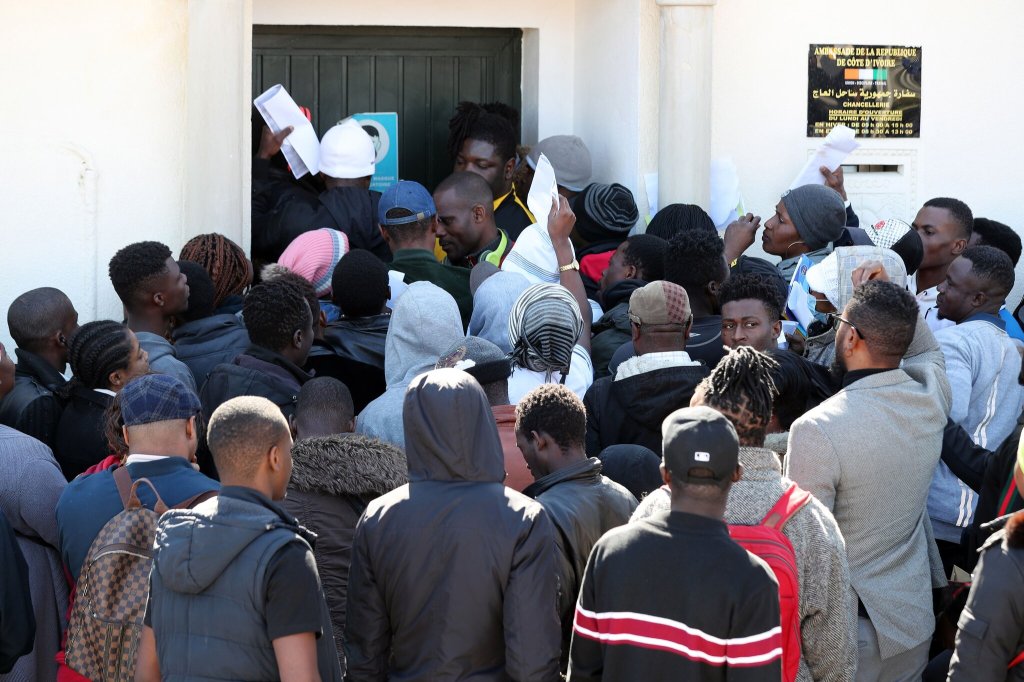
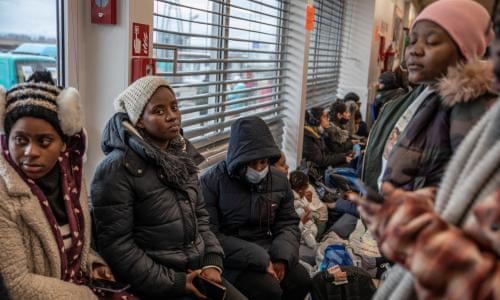
During a statement on February 21, 2023, Saied called for the expulsion of all illegal immigrants, describing migration as a plot to alter Tunisia’s demographics so that it becomes more African and less Arab. This has particularly affected just black immigrants from various African countries.Saied’s remarks have since then sparked an uproar and has given rise to violent attacks on black Africans living in the country. It is however good to note that Tunisia is a major departure point for migrants seeking to cross the Mediterranean and over the past years there has witnessed a big increase in the number of Tunisians and other Africans trying to reach Europe via this means. Arguably, it is clear that most black immigrants in Tunisia are not there to look for Jobs or better living conditions but rather seeking ways to transit to Europe where they face all sorts of inhumane treatment, torture and abuse while on transit.
After the president’s declaration many black immigrants have gone into hideouts, while there are ongoing massive arrests, no one seems to be talking about the difficulties and challenges that black LGBTQIA persons are facing over there. We got in contact with 19 of them from various African countries and their stories are too hard to tell. Majority of them complained of police brutality, destruction of their property by citizens, rape by both the population and policemen. Those of them that we have talked to said immigrants from other Western and European nations were treated differently from those of African origin. Article 230 of the Tunisian Penal Code of 1913 (largely modified in 1964) decrees imprisonment of up to three years for private acts of sodomy between consenting adults, with cross-dressing not expressly being illegal, although transgender people, along with gay people, are often accused of violating Article 226 of the national Penal Code which outlaws “outrages against public decency”.
The situation of sexual and gender minority person’s leaves much to be desired as those with whom we are in contact can not step an inch outside due to fear of being arrested, tortured or raped. Despite wide condemnation of these numerous atrocities, the situation doesn’t seem to be getting any better.
All black immigrants might be facing the same challenges, but LGBTQIA persons face particular and perilous situations based on their sexuality which is already a major challenge to live. Most of them complain that they do not want to come back home for fear as the majority of them fled due to their sexual orientation.
Transgender person’s are particularly targeted and severely tortured. According to information we were able to gather, they “claimed” that after the police arrest them, they collect money from them and still go as far as sleeping with them there by putting them at risk of being contaminated with sexually transmitted infections like syphilis, Gonorrhea, Hepatitis etc. They particularly wish to be supported with Nutrition, Shelter, security, medication, Clothes just to name a few.
Africa being one of the most homophobic continents in the World, and Tunisia particularly being an Arab Nation that upholds strict Anti-gay laws put LGBTQIA person’s in greater danger. People in Tunisia face legal challenges not experienced by non-LGBT residents. Both male and female same-sex sexual activity are illegal. Tunisia, “authorities occasionally use [the anti-sodomy law] to detain and question persons about their sexual activities and orientation, reportedly at times based on appearance alone. This remains a challenging factor for Black LGBTQIA person’s over there caught up in this current crisis plaguing the nation and giving way to laissez-faire, disorder and citizens emoting their hate and disgust on especially black LGBTQIA immigrants.





 Working for Our Wellbeing