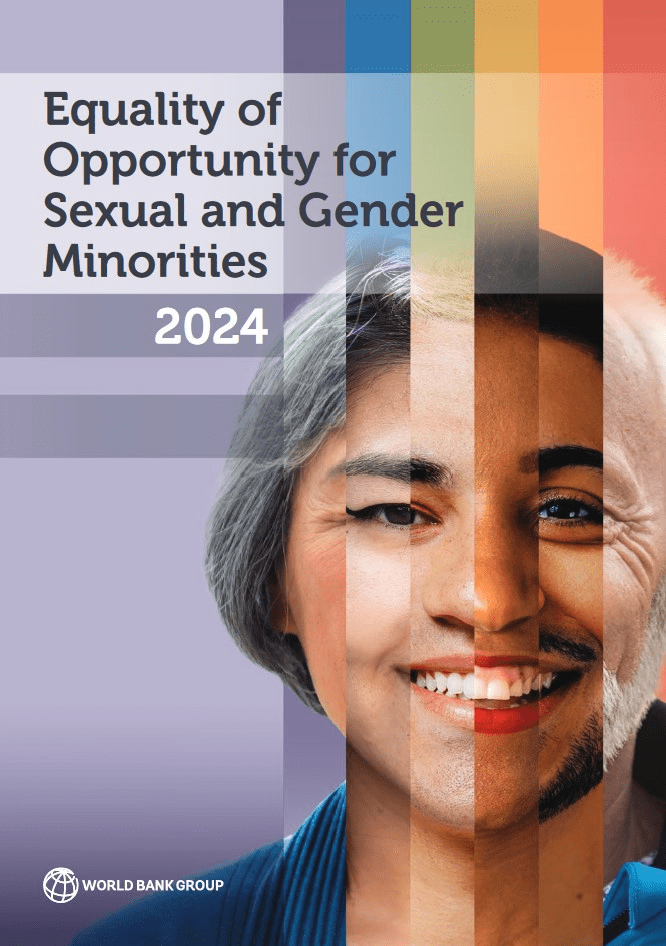
Working for Our Wellbeing is thrilled to share a milestone moment: Mr. Nkwain Hamlet, our Executive Director, has been recognized by The World Bank with a Certificate of Appreciation for his critical role in shaping the 2024 Equality of Opportunity Report on Sexual and Gender Minorities (EQOSOGI). This acknowledgment comes at a time when the report’s findings are more vital than ever, highlighting both the struggles and the resilience of sexual and gender minorities across 64 countries.
For Mr. Nkwain and the team, this isn’t just a professional achievement; it’s a testament to years of dedication, courage, and advocacy. “This report reflects the lived realities of people who are often unseen and unheard,” says Mr. Nkwain. “Our hope is that it will not only shed light on the injustices but also serve as a guide for positive change.”
The EQOSOGI Report: Key Findings That Demand Attention
According to the EQOSOGI report, nearly 1.3 billion people live under laws that criminalize same-sex relationships or restrict gender expression. In many regions, sexual and gender minorities face barriers in education, employment, and personal safety—obstacles that stifle growth and development. But the report also shows the flipside: countries with inclusive policies report stronger social cohesion and economic gains. It’s a roadmap for how society can thrive when everyone is given a fair chance.
This work couldn’t have happened in isolation. Pencrace Bebga from the Centre for Research on Peace, Environment and Governance (CREPEG), Larissa Kojoue from the Queer African Youth Network, Achille Kouyep and Aristide Verlain Tchapon from ACHREDHO Cameroun, and Ebeneza Munkam from the Cameroonian Foundation for AIDS (CAMFAIDS) all brought vital perspectives to this project. Our dedicated colleagues at Working for Our Wellbeing—George Lafon, Christian Damas Mintaka, Brice Tchuenguia, and Mr. Nkwain Hamlet—have been tireless in their pursuit of equality and dignity for all.
A Collective Vision for the Future
The team’s work on this project illustrates a larger vision. Every piece of data, every insight, and every story documented in the EQOSOGI report adds to a collective understanding of what equality should look like. And as the findings resonate on the global stage, Working for Our Wellbeing stands firm in its commitment to ensure that these voices continue to shape policies and perceptions.
“This recognition isn’t just ours—it belongs to everyone who shared their story, their data, their time,” Mr. Nkwain reflects. “Together, we’re making the case for a world where diversity is not only accepted but celebrated.”
For those interested in diving deeper into the EQOSOGI report’s powerful insights and in supporting the push for true equality, we invite you to read the full report, now available through The World Bank’s portal.
We are thrilled to announce a call for recruitment for the implementation of the CHILL Project. Within this context, we are seeking dedicated and compassionate individuals to join our team. A key focus of this project is the operationalization of our new Drop-in Centre, which will provide essential services and support to underserved persons.
NB: We are an equal opportunity employer and strongly encourage applications from individuals of all backgrounds, with particular priority given to qualified women/girls for certain roles.
This is an opportunity to:
Make a tangible difference in the lives of vulnerable communities in Cameroon.
Contribute to the success of a dynamic and impactful organization.
Join a team of passionate and dedicated professionals.
Gain valuable experience in social development and humanitarian work.
To learn more about the specific roles and responsibilities associated with this project, please read the attached document below.
Applications must be submitted no later than Thursday, 16th October 2024 at Working for our Wellbeing’s Head Office situated at Sable Bonamoussadi or via email.
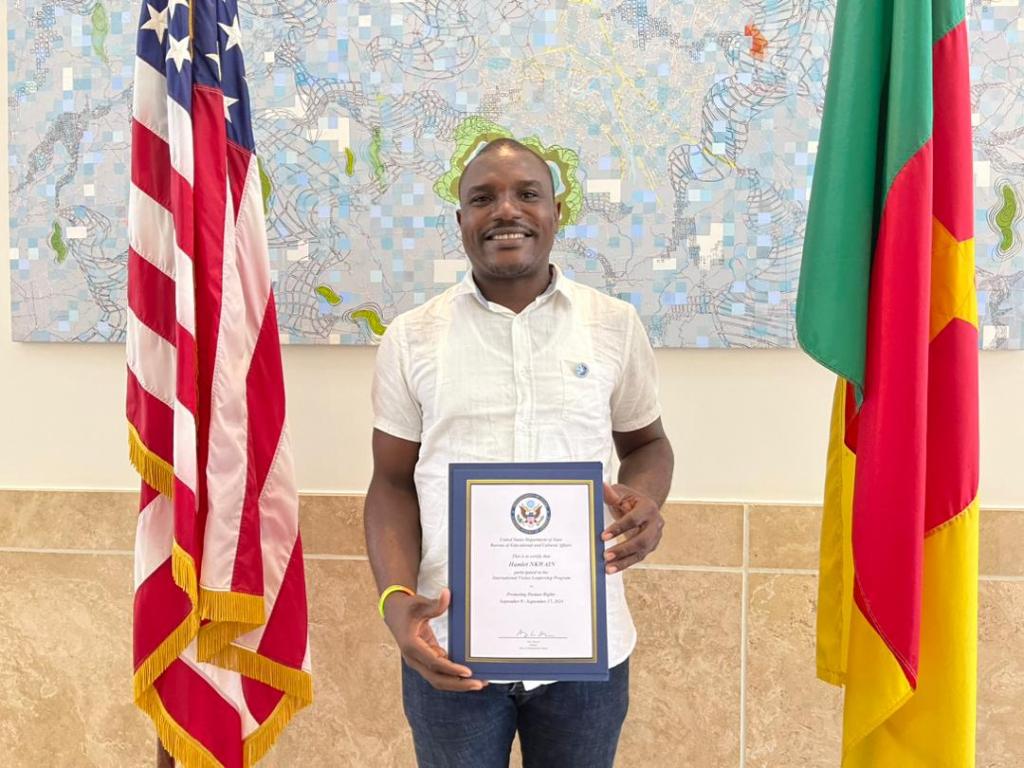
We are proud to announce that our Executive Director, Nkwain Hamlet, was selected to participate in the prestigious International Visitor Leadership Program (IVLP), organized by the U.S. Department of State. This program brings together international leaders, providing them with opportunities to enhance their skills in key areas such as human rights advocacy.
During his time in the United States, Hamlet engaged with experts and explored innovative strategies to combat stigma and discrimination, particularly against sexual and gender minorities in Cameroon. This experience is especially crucial as Cameroon approaches the 2025 elections, a pivotal moment where human rights must be at the forefront of political discussions.
The current environment in Cameroon, marked by increasing challenges for sexual and gender minorities such as stigma, violence, and discrimination calls for coordinated action. Recent events, including regional homophobic movements that have led to violence, have jeopardized the fundamental rights of these citizens. However, the 2025 elections present a unique opportunity to amplify the voices of these communities and advocate for a more inclusive society.
With the skills gained through the IVLP, Hamlet is now better equipped to mobilize and advocate for the rights of sexual and gender minorities, fostering dialogue with political actors and offering concrete recommendations to integrate these rights into electoral platforms. We firmly believe that this mobilization could contribute to a positive shift in the perception and treatment of sexual and gender minorities in Cameroon.
In 2025, it is essential that the voices of minority communities are heard, and thanks to Hamlet’s IVLP experience, Working For Our Wellbeing will continue its commitment to an inclusive future where the human rights of all individuals are respected.
Follow our page to stay updated on our initiatives and the future actions we will take to defend these vital causes.
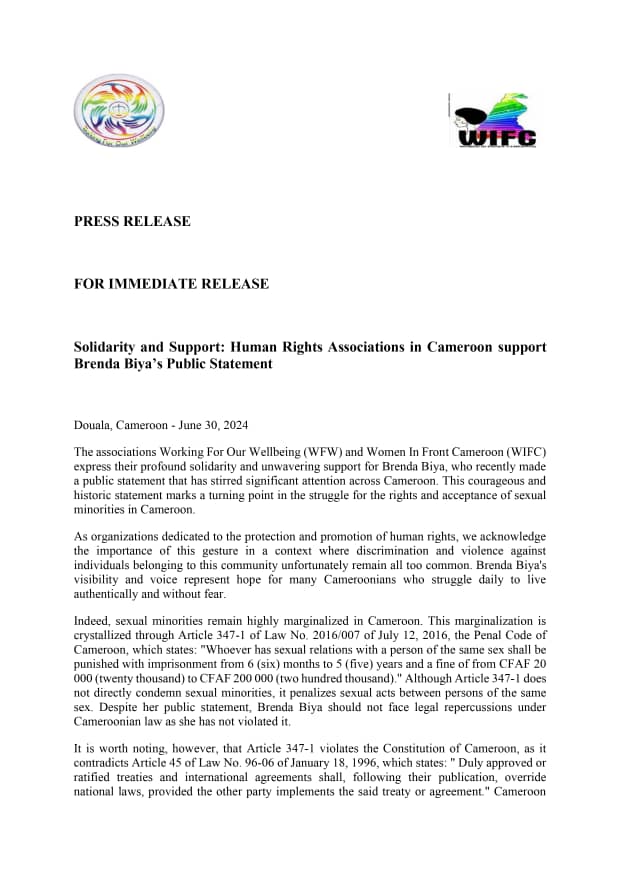
The recent public display of affection between Brenda Biya, daughter of Cameroon’s President Paul Biya, and her girlfriend has ignited a wave of debate and hope for LGBTQ+ rights in the nation. The images circulated online during June – internationally recognized as Pride Month – have sparked a crucial conversation about the stark reality of LGBTQ+ existence in a country where same-sex relationships are criminalized.
While many have expressed joy and celebrated Brenda Biya’s courage in coming out, the significance of this event goes far beyond individual expressions of love. The act resonates with a nation grappling with a legal framework that continues to criminalize same-sex relationships under Article 347/1 of the Cameroonian Penal Code, leading to imprisonment and societal discrimination.
Brenda Biya’s public display of affection, coming from a family with significant political power, has prompted questions about the hypocrisy of a system that condemns same-sex relationships while seemingly allowing for such acts within privileged circles.
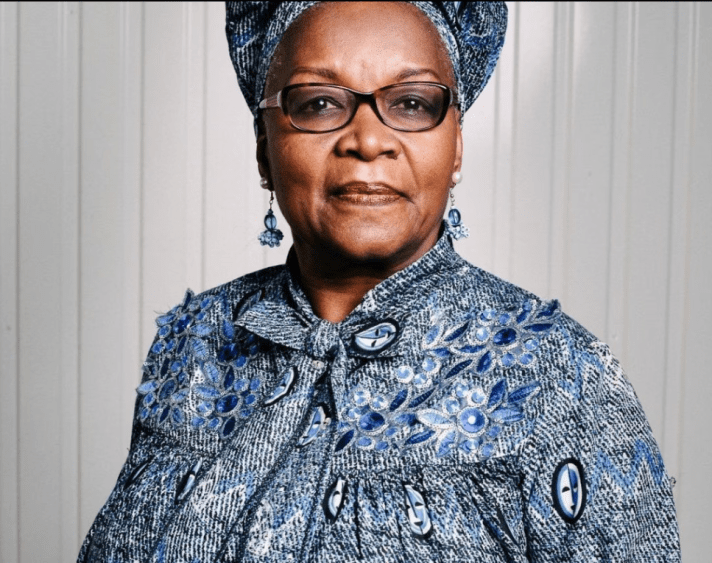
Prominent Cameroonian Barrister Alice Nkom,
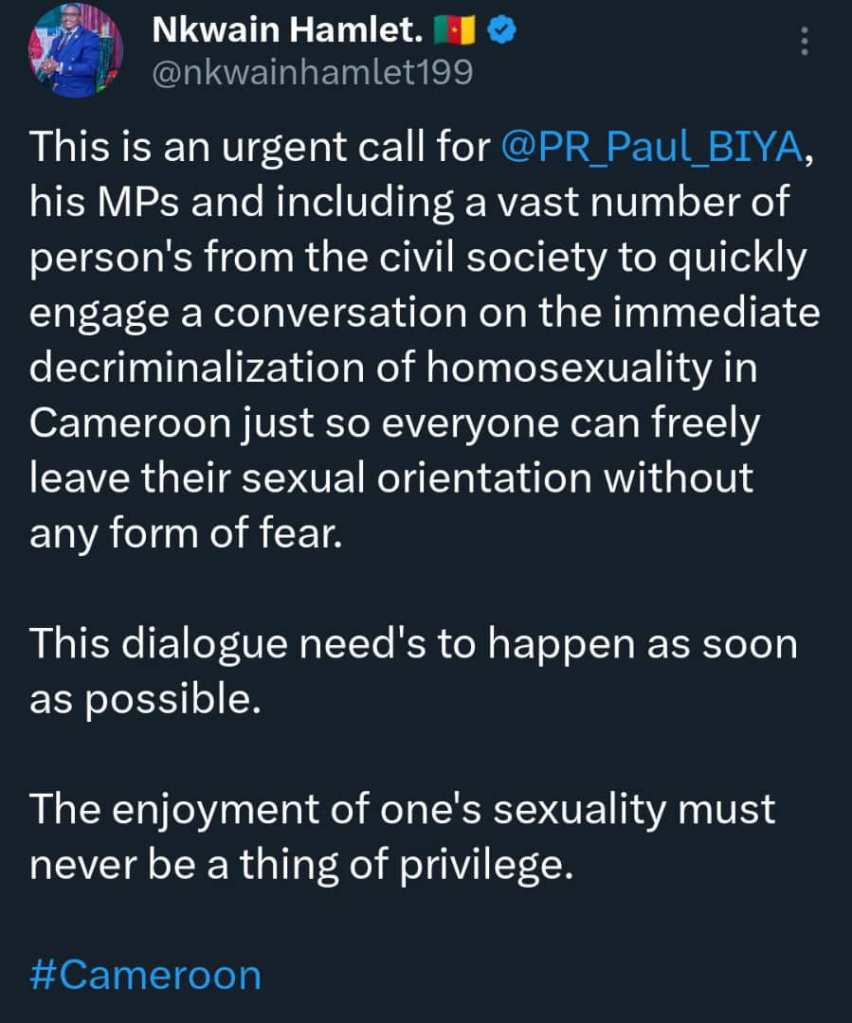
a tireless advocate for LGBTQ+ rights, expressed her joy at the display, yet many, including Nkwain Hamlet, Executive Director of Working for our Wellbeing, questioned the government’s stance. Hamlet poignantly asked, “Will the same liberty and freedom Brenda Biya is enjoying be extended to all LGBTQ+ citizens as he urgently called on the government to start a possible reflection on the process of decriminalization to allow all citizens to be able to enjoy their sexuality within any fear and that the enjoyment of one’s sexuality should not be an issue of privilege.”
This moment has brought to the forefront a deeply rooted issue of inequality and hypocrisy within Cameroon. For years, homosexuality has been used as a tool by political leaders to gather support, often demonizing and criminalizing sexual and gender minority individuals while enjoying the freedoms they deny to others. This blatant disparity has fueled a cycle of fear, marginalization, and discrimination, disproportionately impacting the most vulnerable members of society.
The public response to Brenda Biya’s coming out offers a glimmer of hope. It has forced a necessary conversation, highlighting the urgent need for decriminalization and the protection of all citizens, regardless of their sexual orientation or gender identity. Working for Our Wellbeing and Women In Front, who are dedicated to advocating for the rights of all without discrimination has joined the chorus calling for the government to ensure Brenda Biya’s safety and to open a dialogue around this issue, leading to the eventual decriminalization of same-sex relationships through a joint press release.
The time has come for Cameroon to move beyond the archaic laws that criminalize love and embrace a future where all citizens are treated with dignity, respect, and equality. These moment, while potentially fleeting, serves as a potent reminder that change is possible and that the pursuit of a just and inclusive society must be relentless. We stand in solidarity with all Cameroonians, born free and equal in dignity and rights, and we urge the government and all allies to join us in advocating for a Cameroon that welcomes diversity and embraces the fundamental human right to love and be loved without fear or discrimination.
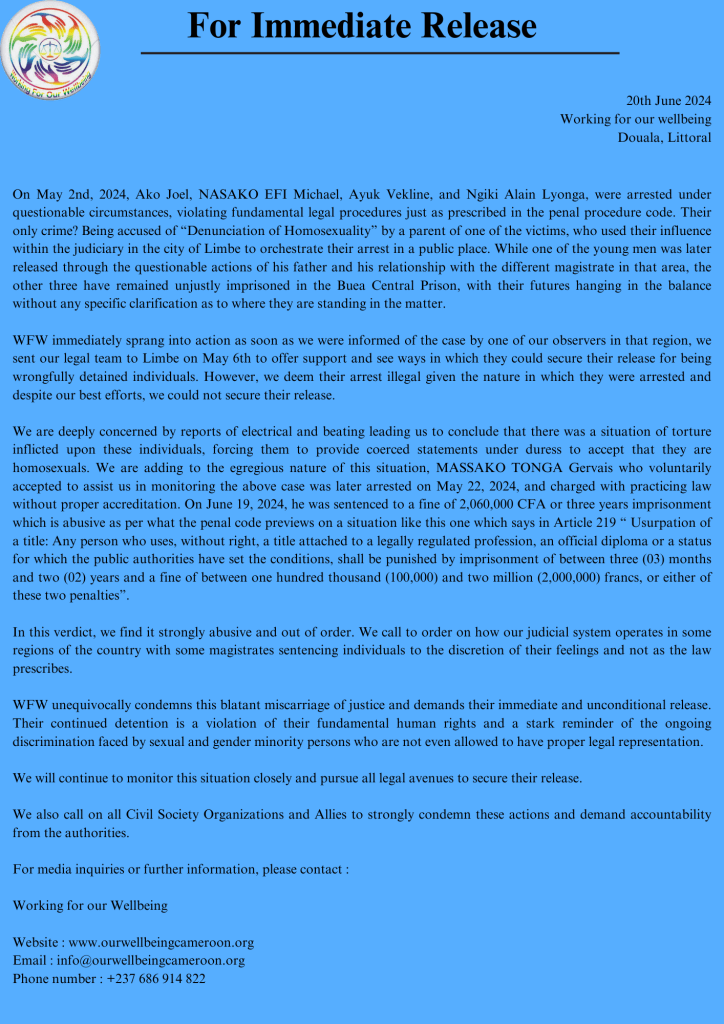
The issue of impartiality within the Cameroonian judicial system has been a topic of concern for many years. Our observation regarding the following instances in Limbe can be viewed within a broader context of systemic issues that affect the judiciary system across the country.
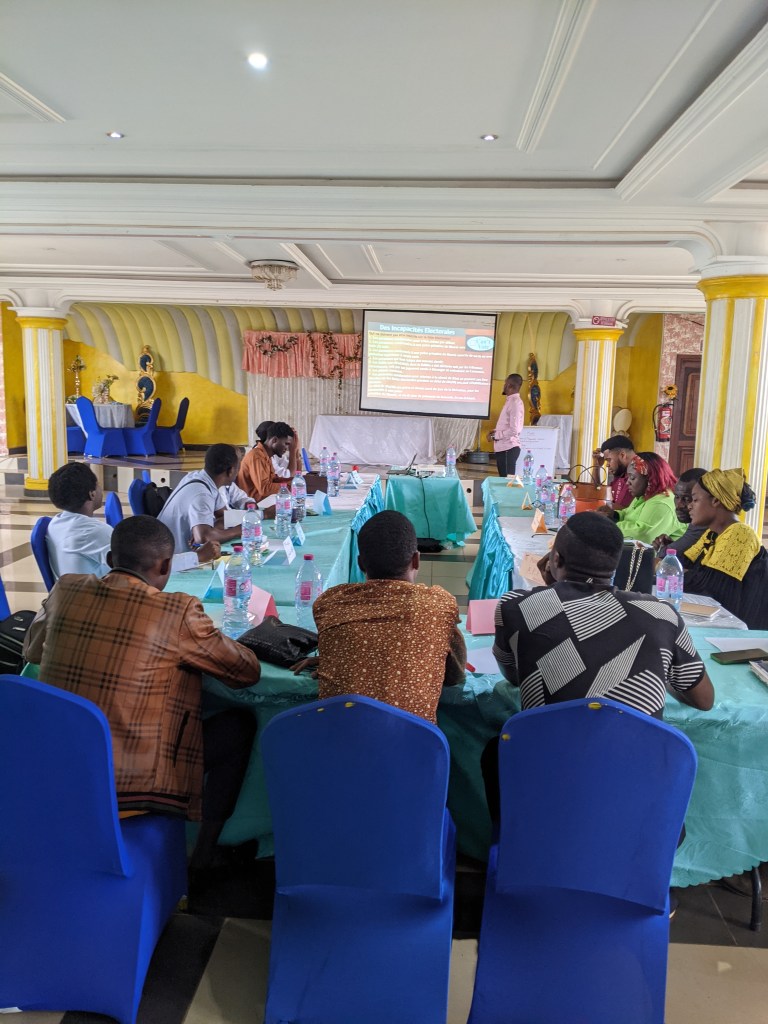
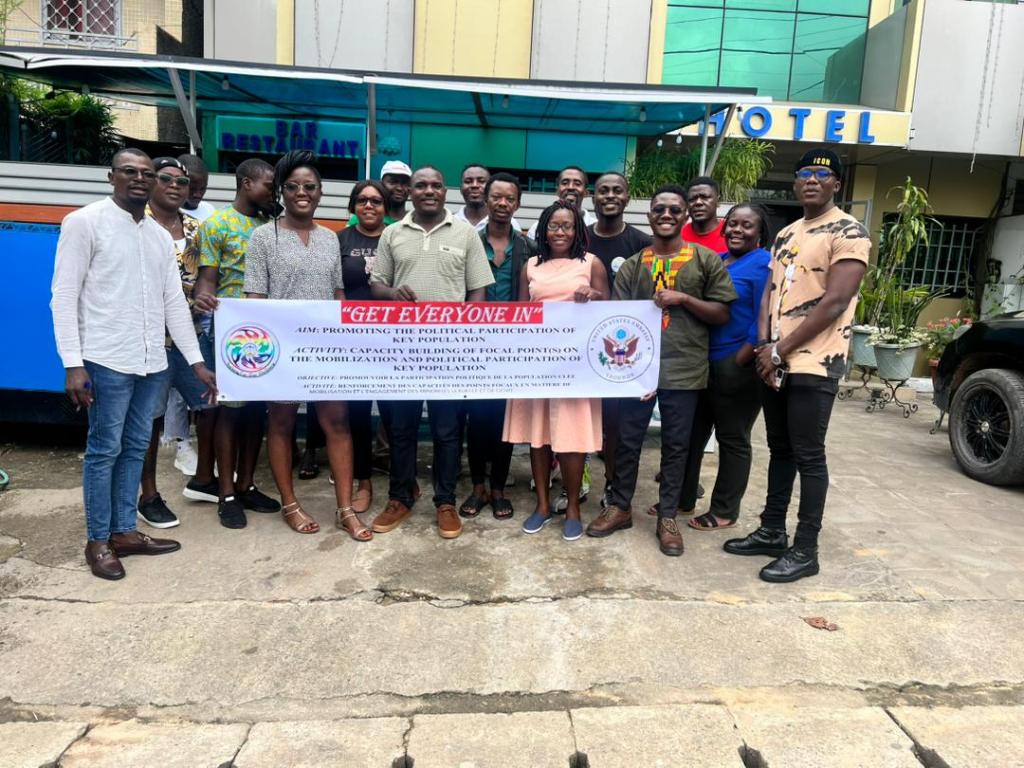
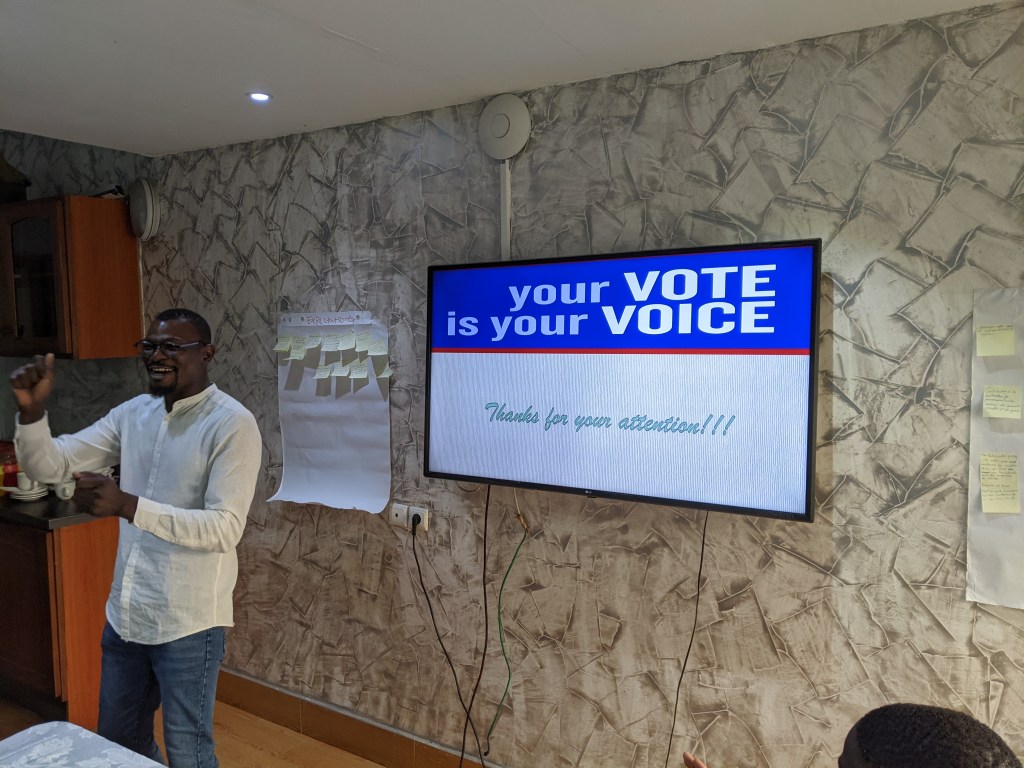
Embarking on a journey to empower the voices of Sexual and Gender Minority (SGM) individuals through political engagement, our recent two-day training seminar in the heart of the West Region of Cameroon marked a pivotal leap towards fostering inclusivity and advocacy. Organized in the vibrant city of Bafoussam, supported by the generous funding from the African Regional Democracy Fund via the American Embassy in Cameroon, our project dubbed “My Participation as a Citizen” aimed to transcend the realm of aspiration, transforming the dream of political involvement for marginalized key persons into a tangible, vibrant reality.
In a country where punitive laws, entrenched homophobia, religious biases, and the politicization of Sexual and Gender Minority (SGM) issues have cast a shadow over the participation of SGM communities in the political sphere, our initiative, “Getting Everyone In,” emerged as a beacon of hope and empowerment. Setting the stage for an environment where all citizens, irrespective of their sexual orientation or gender identity, can actively engage in the political process, our project heralded a call for collective action and progressive change.
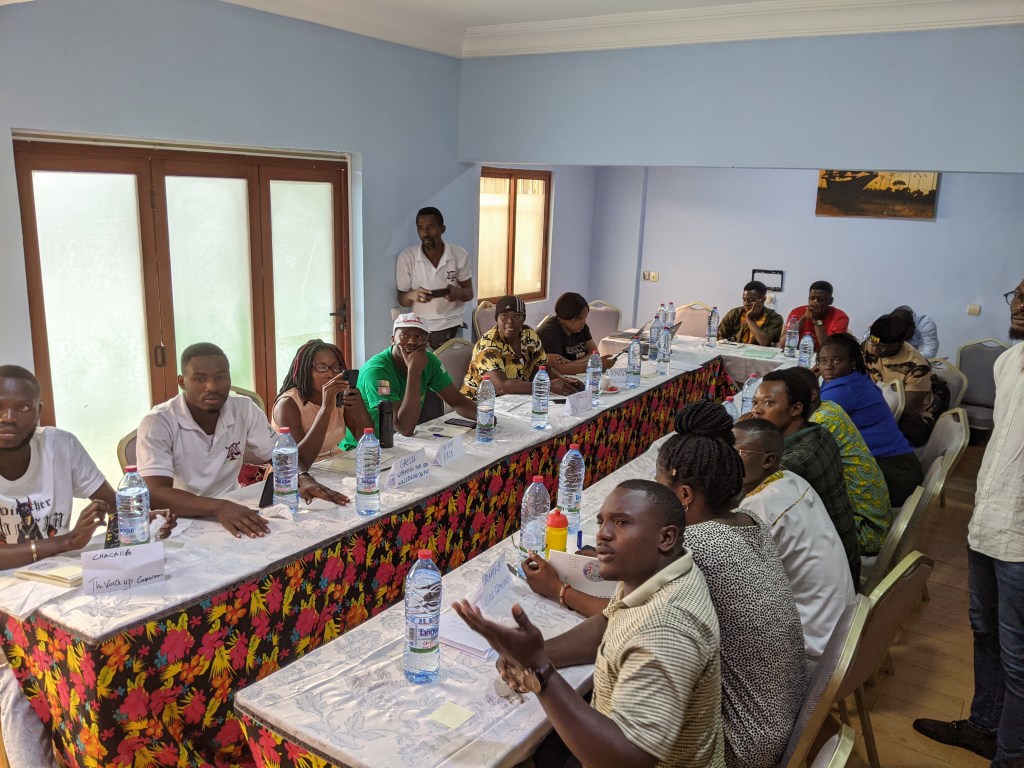
Amidst the verdant landscapes and spirited conversations in Bafoussam, we gathered a cohort of twenty exceptional community leaders, impassioned activists, and dedicated individuals, infusing them with a transformative toolkit of tools, insights, and strategic approaches. Powered by a vision of peer-to-peer mobilization, our training seminar set out to instill a sense of ownership, agency, and participation in electoral processes among SGM communities.
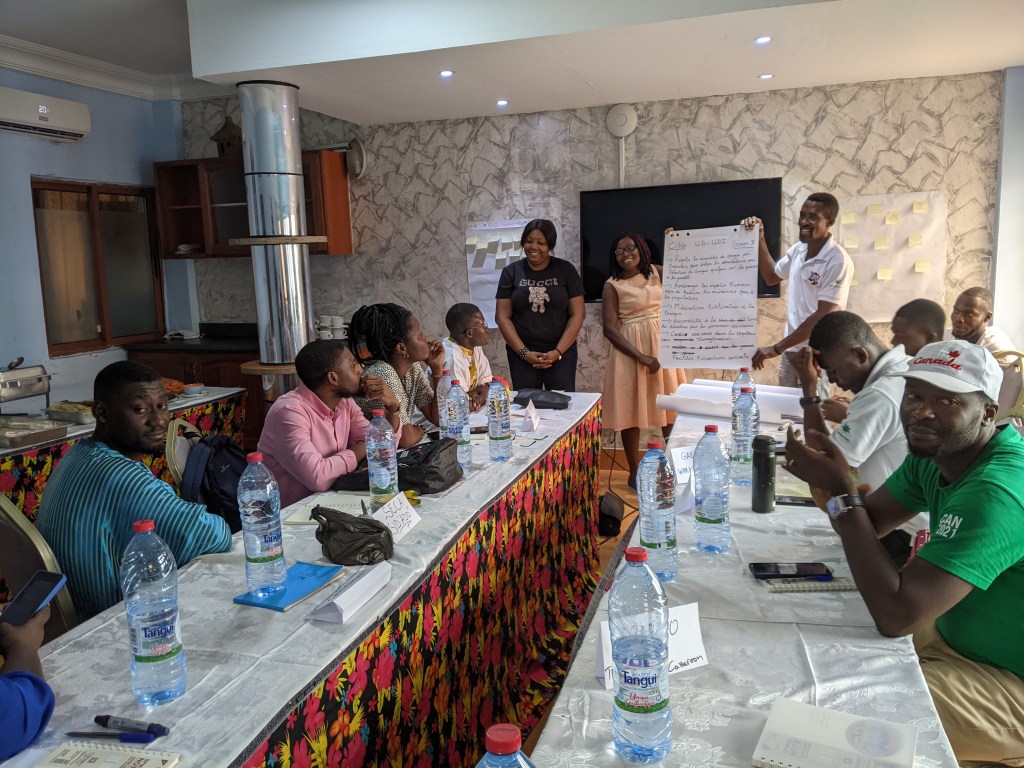
Our two-day immersion was not merely a training session but a shared journey of empowerment and enlightenment. Collectively, we ventured into the realms of experience sharing, knowledge dissemination, and strategic development, forging a network of focal points primed to steer community members of voting age towards registration and acquisition of voters’ cards. These small yet revolutionary steps paved the way for the realization of fundamental civil rights and political empowerment for every citizen.
The meticulously crafted modules of our seminar delved deep into critical issues, unraveled the intricate political landscape of Cameroon, illuminated the pivotal function of ELECAM as the electoral authority, and underscored the profound significance of active engagement in molding one’s political destiny. Through a tapestry of dialogue, interaction, and collaboration, our participants emerged as torchbearers of change, poised to ignite a wave of civil awakening and democratic empowerment within their communities.
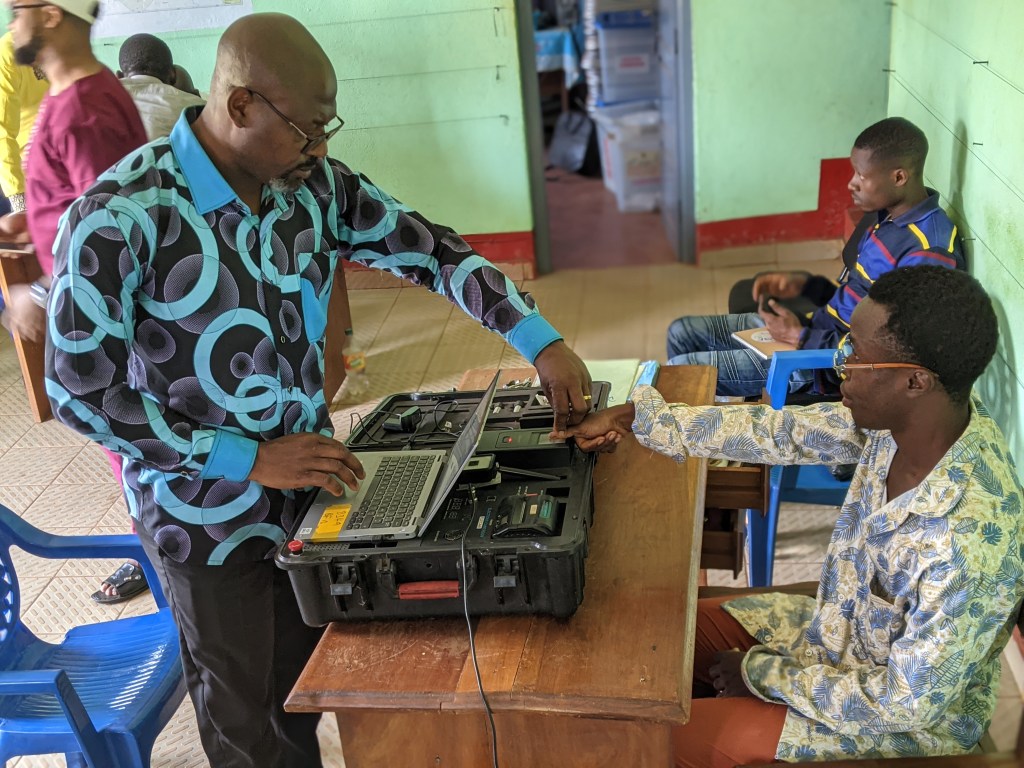
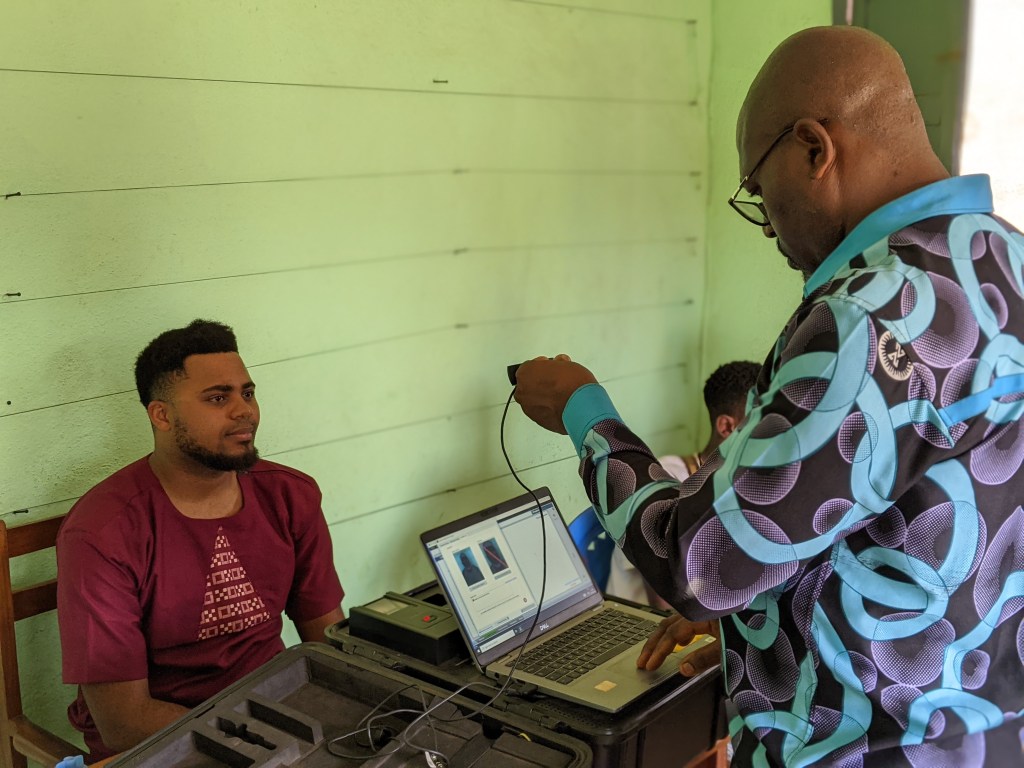
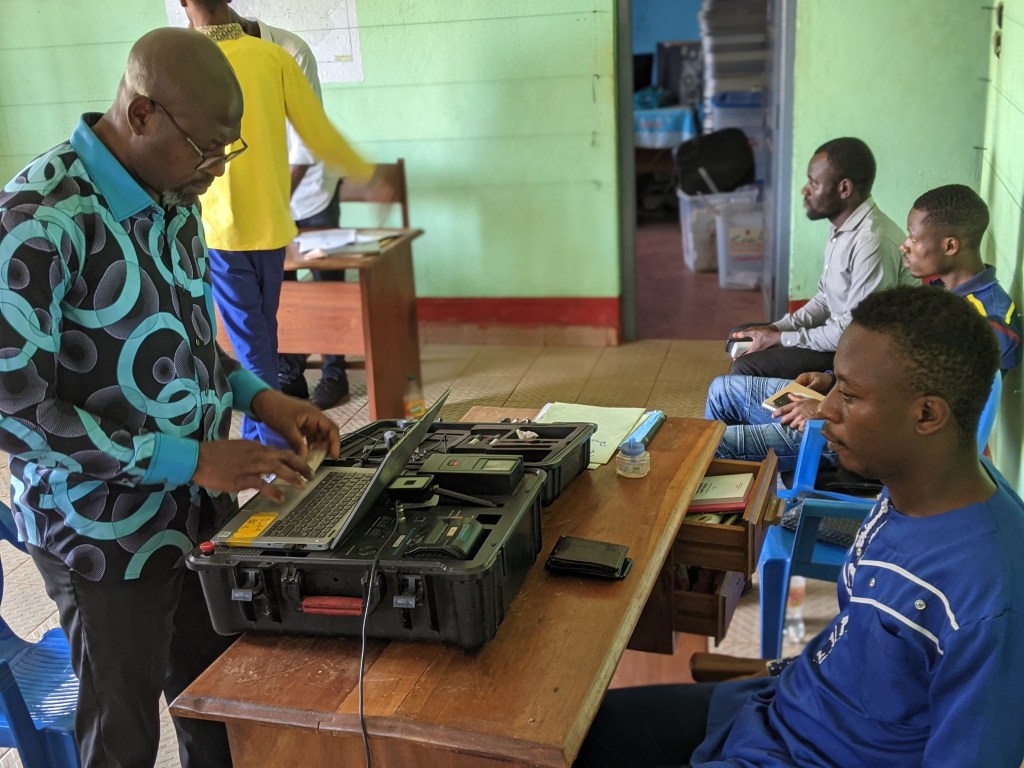
Amidst the bustling urban landscape of Bafoussam, our community leaders, activists, and participants dived into a realm of practical learning and immersive experiences. The culmination of this transformative journey took us beyond the confines of theoretical discourse and into the pulsating heart of political participation itself. A physical and immersive case study led us to the doors of the ELECAM office, where community members, imbued with hope and determination, etched their names onto the Electoral list, marking a significant step towards tangible political engagement.
The palpable joy and sense of accomplishment radiating from the newly registered members encapsulated the essence of empowerment and enfranchisement. Their elation was a testament to the transformative power of political participation, a gateway to claiming one’s rights and raising one’s voice in the democratic process. This exercise not only enhanced the sense of ownership and belonging but also set the stage for continued engagement and collaboration with the ELECAM office, fostering an environment of accessibility and inclusivity for young SGM persons seeking to exercise their civic rights.
The ripple effect of this practical exercise reverberated far beyond the walls of the training venue. Our focal points emerged not only as leaders but as ambassadors of change, equipped with the tools, knowledge, and fervor to carry forth a message of encouragement and empowerment to the younger generation. This generation, buoyed by the sense of purpose and agency instilled during the training, is poised to navigate the political landscape with confidence and conviction, paving the way for a generation of engaged citizens and advocates for change.
The ethos of our training underscores a fundamental truth – the imperative of political representation within the SGM community. As the echoes of empowerment and engagement reverberate through the West Region, we stand united in the belief that “No one can better defend us than ourselves.” This clarion call for self-representation and agency resonates at the core of our mission – to amplify voices, foster inclusivity, and champion equality in every sphere of civic life.
As the curtains draw on this exhilarating chapter of transformation and empowerment, the resounding joy, heartfelt impressions, and shared sense of accomplishment among participants paint a vivid tapestry of hope, progress, and unity. Our collective resolve to nurture inclusion, amplify marginalized voices, and advocate for equitable representation stands unwavering and resolute. The seeds of empowerment planted amidst the verdant landscapes of the West Region are destined to bloom into a garden of diversity, resilience, and democratic ethos, ushering forth an era where every voice is heard, every identity is celebrated, and every citizen claims their rightful place in the vibrant tapestry of the political ethos of Cameroon. We extend our deepest gratitude to all who participated in this transformative journey, and above all, our heartfelt thanks to the USA Embassy in Cameroon for their unwavering support and commitment to democracy, equality, and civic empowerment.
Together, hand in hand, we forge ahead, united in the pursuit of a more inclusive, just, and participatory democracy, where diversity flourishes, equality triumphs, and every individual stands tall as a beacon of change and progress. In the symphony of empowerment, let each note resonate with the promise of a brighter, more inclusive tomorrow, where the political landscape of Cameroon thrives on the mosaic of identities, the chorus of equality, and the melody of democratic resonance. As we carry forth the torch of empowerment and advocacy, we pledge to continue our mission at Working for our Wellbeing with renewed vigor, resilience, and passion, forging ahead on a path of progress, empowerment, and impactful change for all.
Working for Our Wellbeing is a leading organization dedicated to upholding the rights and well-being of sexual and gender minority individuals in Cameroon. Our mission revolves around ensuring equal rights and access to essential healthcare and social services for marginalized communities, while actively advocating for gender equality and combating gender-based violence.
Job Description: Working for Our Wellbeing is seeking a passionate and dedicated Human Rights Observer to play a pivotal role in recording and documenting cases of gender-based violence in the North West region of Cameroon. The Human Rights Observer will work to ensure the accurate documentation of such cases, contributing to the generation of essential data and informed interventions aimed at promoting human rights and safeguarding the well-being of individuals in the region.
Key Responsibilities:
– Record and document detailed and accurate information pertaining to each reported case, ensuring confidentiality and sensitivity in handling sensitive data.
– Compile comprehensive reports based on the documented cases, providing statistical data, and narrative descriptions to support evidence-based advocacy. – Advise and support the organization’s initiatives and interventions aimed at addressing and preventing gender-based violence, contributing to the development of targeted and effective strategies. – Uphold ethical standards and best practices in the documentation and reporting of human rights violations, ensuring the safety and well-being of all individuals involved.
Qualifications: – A strong passion for human rights advocacy, with a particular focus on gender equality and the rights of marginalized communities. – Previous experience in human rights observation, documentation, or related fields is an asset. – Excellent communication skills, with the ability to gather, record, and communicate information effectively and sensitively. – A deep understanding of the socio-cultural context and human rights landscape in the North West region of Cameroon. – Fluency in English and/or French, with the ability to document cases in both languages.
Application Process: To apply, please submit a cover letter, resume/CV, and any relevant supporting documents to: info@ourwellbeingcameroon.org
The efforts of young persons participating in debates, public consultations, and political activities are pivotal for influencing political decisions. In the Cameroonian electoral process, residency and age requirements impact voter registration. Additionally, ELECAM (Elections Cameroon) oversees various elections, including Presidential, Legislative, Senatorial, Regional, and Municipal elections, as well as Referendums.
In the context of political participation, SGM individuals have played crucial roles. Notably, individuals like Emma Onekekou, an SGM rights activist, and Steve Letsike, a co-chair of the National Task Force, have made significant impacts, combating discrimination and advancing SGM rights in West Africa.
INTRODUCTION
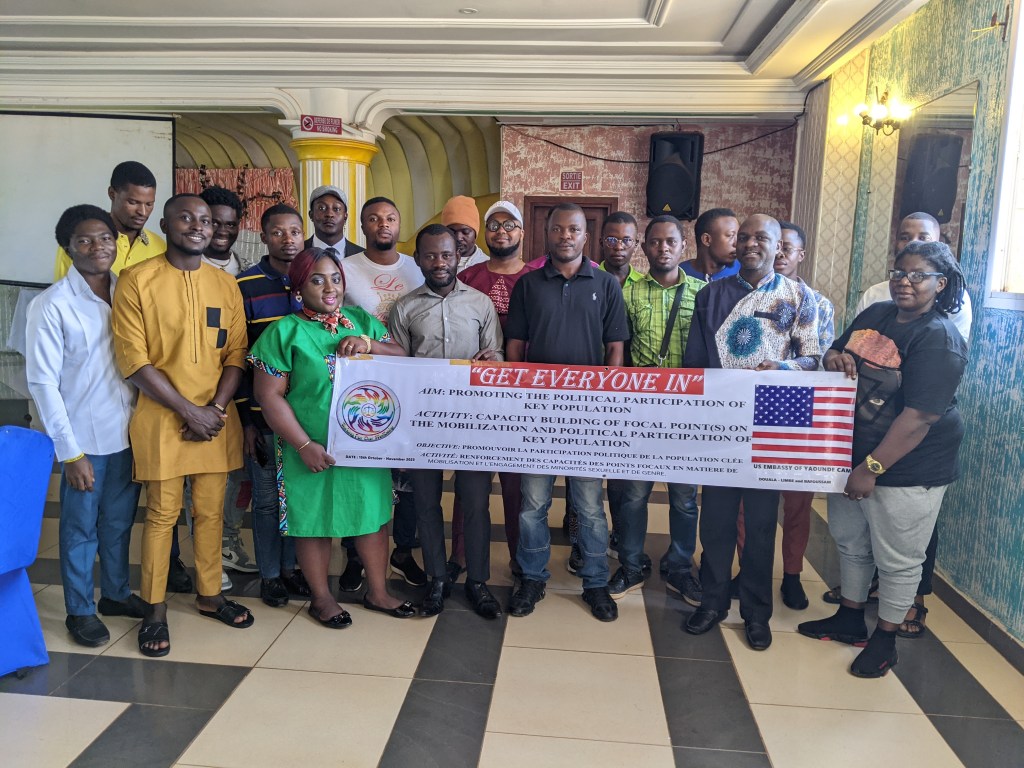
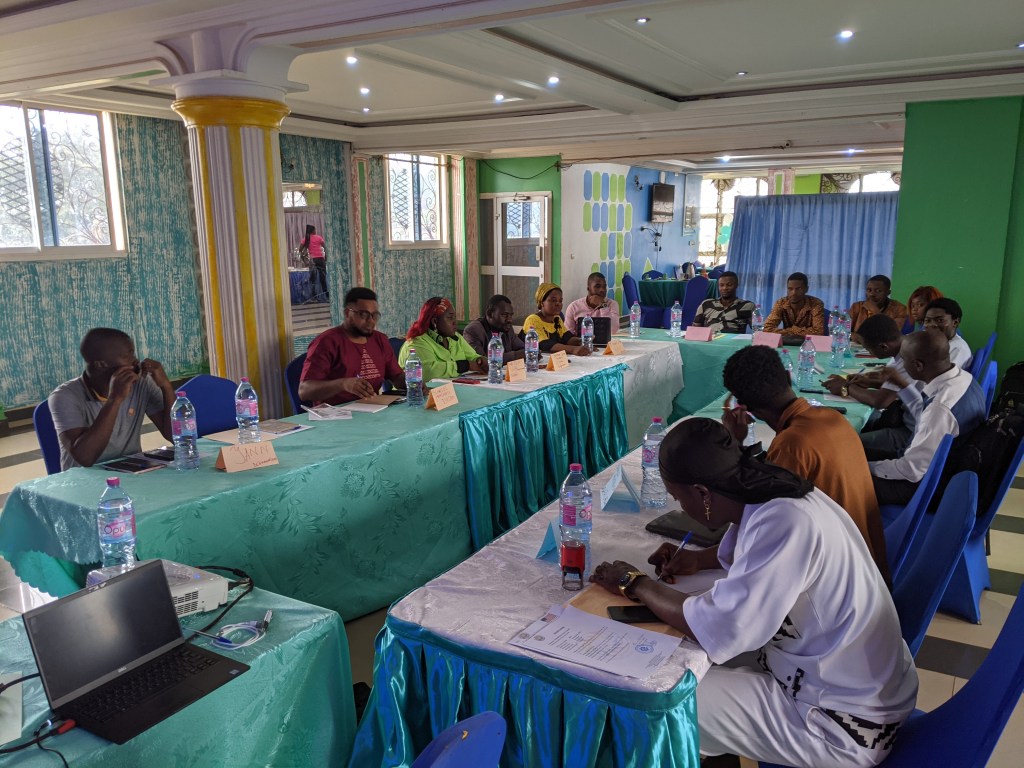
We were thrilled to organise a two-day training seminar in the Littoral Region of Cameroon focused on the Political Participation of Sexual and Gender Minority Persons on the 21st to the 22nd Nov 2023. This vital initiative was made possible through the generous funding and guidance of the African Regional Democracy Fund, under the auspices of The United States Embassy in Cameroon.
The project, aptly named “Getting Everyone In,” sought to equip community leaders, activists, allies, and members of the sexual and gender minority community with essential knowledge about the various electoral processes in Cameroon. This comprehensive training is delved into topics such as voter enrollment, requirements for obtaining a voters card, stages of the electoral process, and guidance on verifying polling stations, among other essential aspects. The immediate aim was to equip participants with the necessary tools and understanding to engage actively in the political process.
The seminar was specifically designed to address the deep-rooted political apathy prevalent among sexual and gender minority individuals in Cameroon. Over the years, this community has encountered significant challenges in participating in the political landscape, largely attributed to existing punitive laws and prevalent homophobia. This has led to a pervasive sense of disillusionment, with many questioning the relevance of their involvement in a political system that often politicizes and exploits their identities for gains, without genuinely protecting their interests.
The seminar emphasized the paramount importance of enhancing the political involvement of sexual and gender minority individuals, stressing that meaningful change can only be realized through representation and inclusivity within the political sphere. Facilitators underscored the imperative for SGM individuals to actively engage in politics, emphasizing that collective representation offers a pathway to impact and change.
The event marked a critical step toward addressing the challenges faced by sexual and gender minority individuals, offering a platform for learning, dialogue, and empowerment. It was not merely an educational endeavor but a transformative experience, uniting individuals in a shared mission to drive genuine change and amplify the voices and concerns of a marginalized community within the political landscape.
OBJECTIVES
1. Identify specific challenges faced by sexual and gender minorities in political participation. 2. Analyze opportunities and strategies for advocating political inclusion and amplifying the voice of sexual and gender minorities in decision-making processes. 3. Facilitate dialogue and knowledge exchange on best practices and lessons learned in political participation. 4. Determine effective strategies to promote inclusive political engagement of sexual and gender minorities. 5. Build the capacity of rights defenders and political actors to foster greater inclusion of sexual and gender minorities in the electoral process.
MAIN THEMES ADDRESSED:
1. Equitable Access to Political Processes: Participants detailed the legal, social, and cultural barriers impeding the political engagement of sexual and gender minorities and discussed discriminatory laws and practices. 2. Awareness Campaign and Political Training: Strategies to raise awareness and provide political training for key populations and their allies were proposed to enhance expertise and commitment. 3. Political Inclusion of Key Populations: The importance of full inclusion and active participation of key populations in decision-making bodies, alongside measures to encourage participation and combat discrimination, was emphasized.
KEY INSIGHTS
The right to vote serves as a critical avenue for sexual and gender minorities to contribute to decision-making processes impacting various societal domains, such as education, employment, the environment, and healthcare. Voting not only extends the right to make informed choices but also empowers engagement in grassroot movements, youth groups, and political organizations, as well as fostering awareness and mobilization through social media and public forums.
In conclusion, the workshop provided critical insights and actionable strategies to enhance the political participation and representation of sexual and gender minorities in Cameroon, emphasizing the fundamental role of inclusive political processes in advancing societal well-being and equitable rights for all. This seminar stands as a testament to our ongoing dedication to fostering inclusivity and representation, advocating for a political environment that respects and values the diverse voices and rights of all citizens, irrespective of their sexual orientation or gender identity. It was a vital milestone in our collective journey toward creating a political sphere that embraces equity and acceptance, ensuring that the rights and perspectives of sexual and gender minority individuals are fully recognized and upheld within the political discourse of Cameroon.
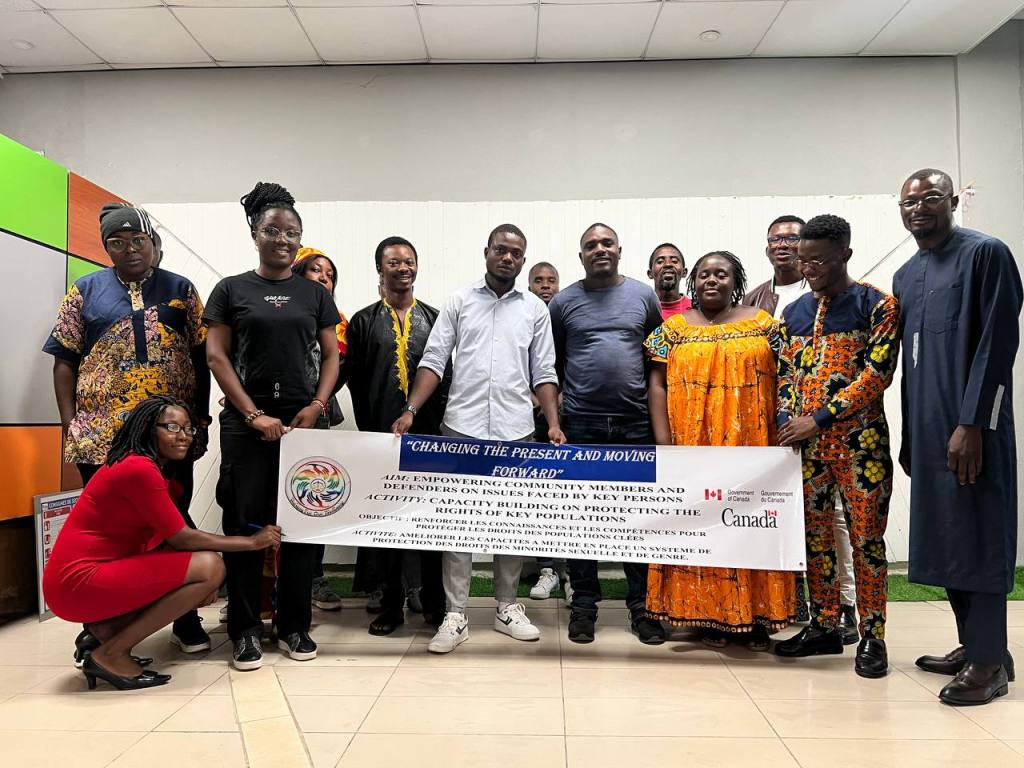
Last week, we conducted a two-day training workshop under the project “Changing The Present and Moving Forward.” funded by the Canadian Fund for Local Initiatives (FCIL CAM). The focus of this workshop was to strengthen the understanding of activists working in the area of human rights to better understand national and regional human rights mechanisms and let them know when, how, and where to apply it in relation to their work within the community. The workshop had a particular emphasis on the multiple violence and human rights violations sexual and gender minority persons go through without getting justice in most cases when it does occur.
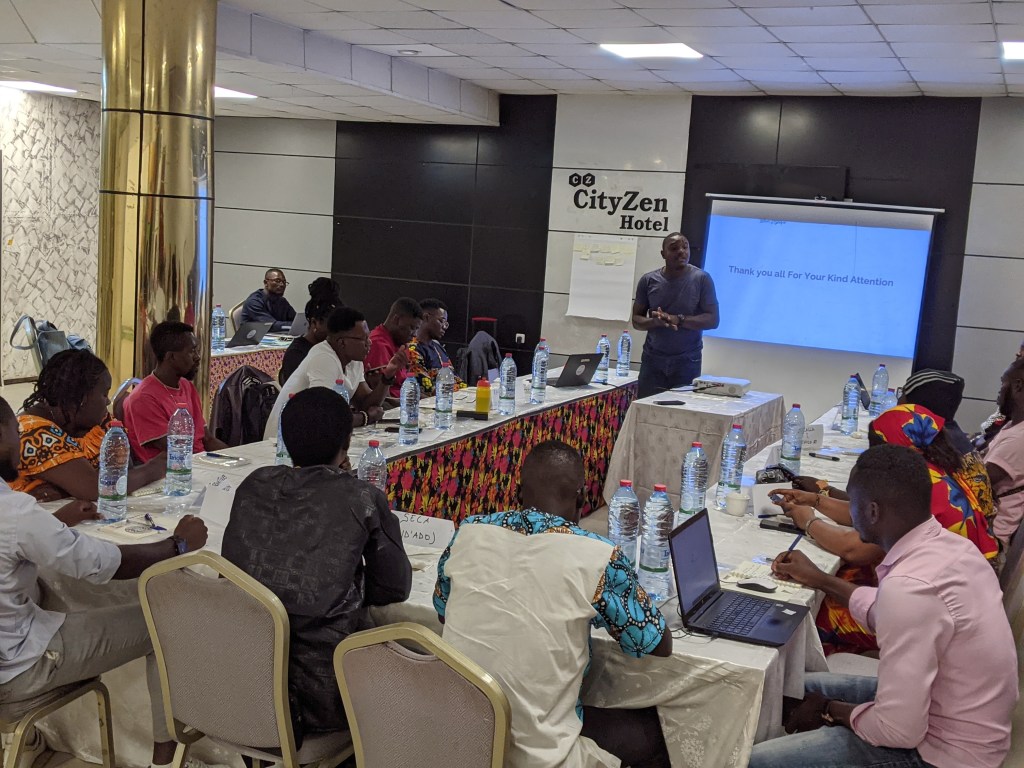
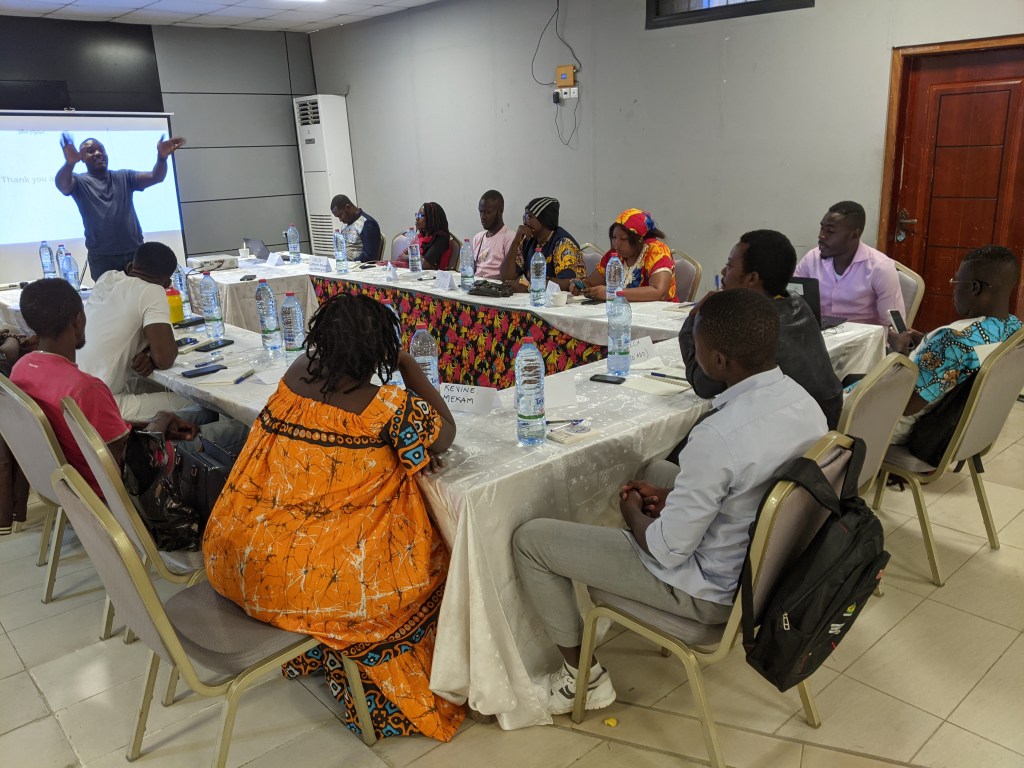
Training Highlights The workshop, held on the 6th and 7th of October, provided a platform for 18 participants to acquire in-depth knowledge and build their capacity to navigate national, regional, and international human rights mechanisms. Various facilitators shared expert insights and conducted engaging presentations, empowering participants to advocate for the rights and well-being of sexual and gender minority persons more effectively.
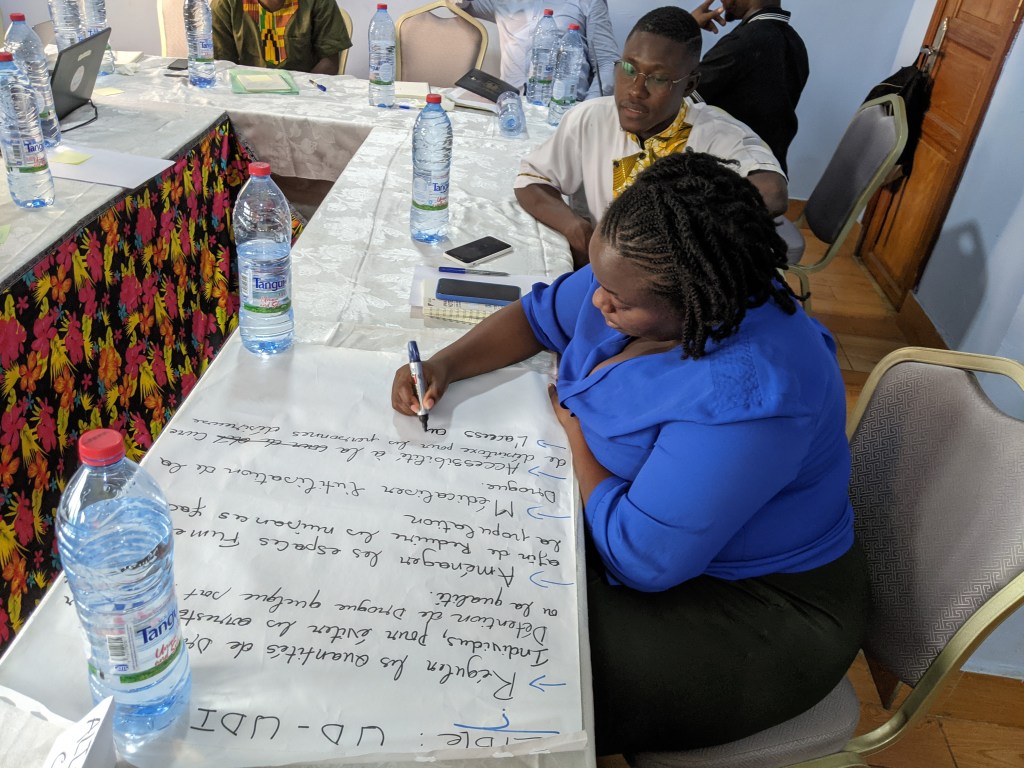
The sessions covered a range of topics, including the Universal Declaration of Human Rights, regional instruments of human rights, United Nations treaties, and the African Charter on Human and Peoples’ Rights. Through interactive group work, participants tackled challenging tasks that encouraged critical thinking and problem-solving, fostering a deeper understanding of the subject matter. During the training, participants were immersed in the importance of collective collaboration and effective documentation of cases related to gender-based violence. Recognizing the significance of documentation, participants were trained on various tools and techniques to accurately capture and record incidents. Additionally, the training covered the critical aspect of data security to ensure the protection of sensitive information. Participants learned about best practices for securing data online and preserving confidentiality.
Understanding Regional and International Mechanisms A substantial portion of the training was dedicated to exploring national, regional, and international human rights mechanisms. At the national level, participants delved into the constitution and the jurisdiction of national human rights bodies, such as the National Human Rights Commission. The workshop also focused on various regional instruments, including the African Charter on Human and Peoples’ Rights, the Maputo Protocol, Resolution 275, and Resolution 552 of the African Charter, which affirms the different rights of sexual and gender minorities. Participants gained valuable insights into international human rights mechanisms, such as the Universal Declaration of Human Rights, international pacts, conventions, and treaties. The overarching objective of all these mechanisms is to safeguard the rights of individuals, regardless of their actual or perceived sexual orientation with a specific emphasis on sexual and gender minority persons, participants were guided through detailed discussions on human rights mechanisms at the regional and international levels. They explored the institutions, procedures, and strategies that can be leveraged to advance the rights of these groups, foster inclusivity, and combat discrimination/stigma.
The training sessions provided a comprehensive overview of the mechanisms available for addressing human rights violations, including the role of intergovernmental organizations, non-governmental organizations, and key advocacy tools. Participants gained valuable insights into strategic approaches, research methodologies, and effective communication strategies to amplify their voices and advocate for change.
Empowering Human Rights Defenders One of the primary goals of the workshop was to empower human rights defenders and allies in the Littoral region. By equipping them with comprehensive knowledge and practical tools, we aimed to strengthen their ability to advocate for the rights of sexual and gender minority persons effectively. The training fostered a supportive network, creating opportunities for collaboration, knowledge-sharing, and the development of cohesive strategies.
Moving Forward Throughout the workshop, participants were reminded of the need for continued efforts and collaboration beyond the workshop. They were encouraged to view the training as a launching pad rather than a conclusive endeavor. The challenges facing the advocacy for sexual and gender minority rights in Cameroon demand ongoing dedication and collaboration from all stakeholders. The training served as a call to action, inspiring participants to actively contribute to the advancement of human rights in their respective spheres.
Continued investment in the capacity-building and empowerment of human rights defenders, as demonstrated through this training workshop is essential for driving sustainable change in society. By equipping individuals with the necessary knowledge and skills, Working for Our Wellbeing strives to create an environment where the rights and dignity of sexual and gender minority persons are respected and protected.
Take-home message Working for our Wellbeing is fully aware that overcoming these challenges requires sustained commitment and a united front. We remain steadfast in our support for participants and the wider community, creating an environment where the rights and dignity of all individuals, irrespective of sexual orientation are duly respected and protected. By continuing to build alliances, develop strategies, and seek tangible solutions, we can work towards a future that upholds the fundamental rights of all persons in Cameroon.
Closing remake The workshop concluded on the 7th with a closing remark from the Executive Director of WFW. Expressing gratitude, the Executive Director thanked all participants for accepting the organization’s invitation and wholeheartedly engaging in the training. The Executive Director acknowledged the dedication and commitment demonstrated by each participant throughout the sessions and emphasized the importance of their involvement in the fight for sexual and gender minority rights. With the training officially declared closed, participants departed for their respective destinations, carrying with them a renewed sense of purpose and determination. They were left equipped with valuable knowledge, practical skills, and a reinforced commitment to advocate for the rights of sexual and gender minority persons in Cameroon. With the confidence ent that the training has empowered participants to make a meaningful impact in their communities. The organization stands ready to provide ongoing support, guidance, and a platform for continued collaboration among participants, ensuring sustained efforts in creating an equitable and inclusive society for all. As the participants dispersed, they carried with them the collective energy and vision for a future where the rights of all individuals, regardless of their sexual orientation, are respected and protected. The conclusion of the training marked not the end, but rather the beginning of a new chapter in the fight for equality and social justice.
Conclusion The two-day training seminar served as a significant step towards enhancing the understanding of regional and international human rights mechanisms among participants in the Littoral region. By fostering knowledge, collaboration, and empowerment, we are confident that this training will lead to effective advocacy, inclusive policy development, and positive social change for sexual and gender minority persons in Cameroon. Through ongoing initiatives aimed at strengthening the capacity of human rights defenders and creating inclusive platforms for dialogue, Working for Our Wellbeing remains committed to the pursuit of justice, equality, and the protection of the rights of all individuals, regardless of their sexual orientation or gender identity.




 Working for Our Wellbeing