Blog

Queerphobia and the African Narrative

Most African countries are constitutional democracies that afford extensive rights and freedoms to their citizens and safeguard their dignity. It is arbitrary, to say the least, to exclude from these the right to express sexuality or gender identity. But opponents of homosexuality would like to do just that. They often invoke “public interest”, “protection of the community” and “morals” to violate the dignity of queer persons. Just like most African counties, with the example of Cameroon, Ghana’s current constitution, for example, is widely hailed as an inspiring model of a state’s observance of these freedoms. Yet, on 29 June 2021, the Promotion of Proper Human Sexual Rights and Ghanaian Family Values Bill 2022 was introduced in parliament. It aims to promote “proper human sexual rights and Ghanaian family values, and proscribe the promotion of and advocacy for LGBTQ+ practice”. The bill’s supporters claim to be motivated by religious and cultural values and ideals. The trend of the discussion of homosexuality in Africa since the 1980s suggests that this view is not uniquely African and that homosexuality nags at the conscience of Africans.
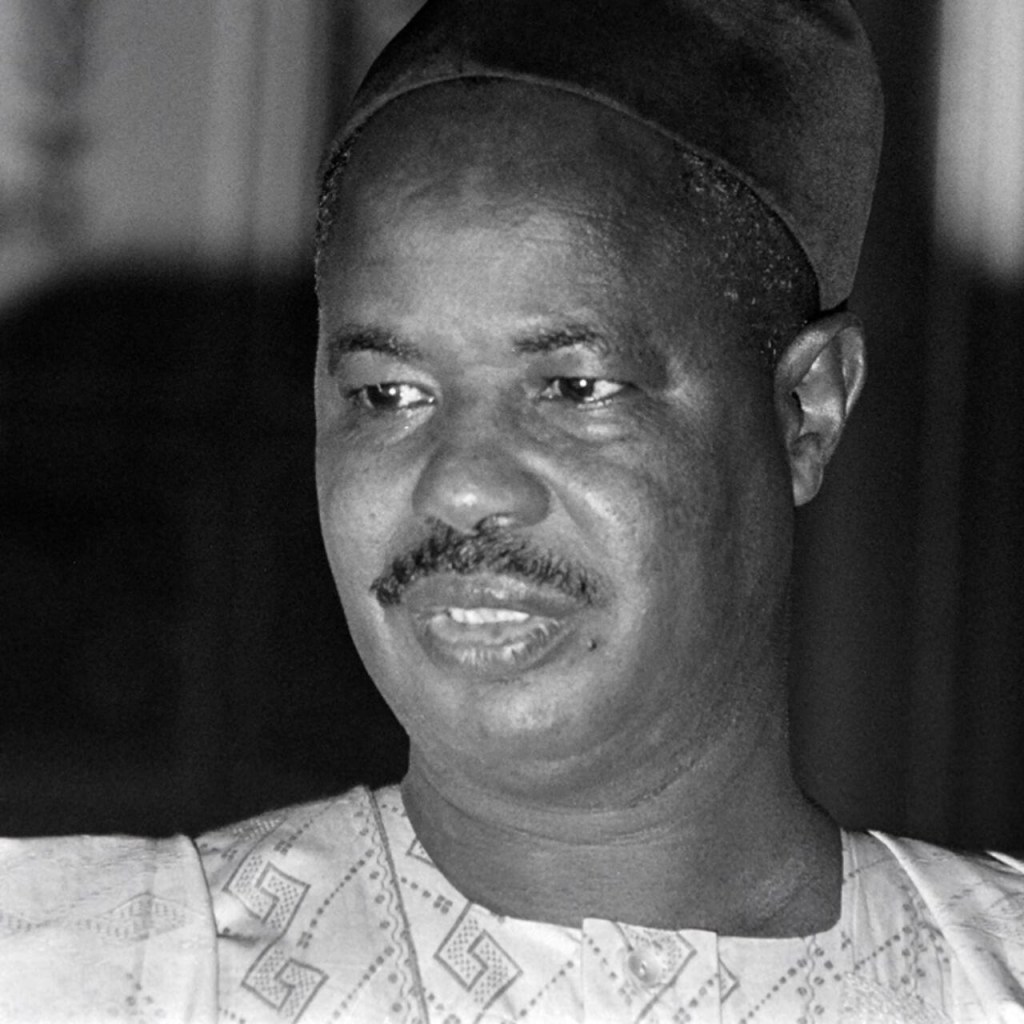
It is also necessary to recall that the first penal code adopted by the newly independent Cameroon in 1965, whose deputies were all from remote areas, considered that homosexuality was not harmful to society: because at that time, in Western countries, homosexuality was severely punished by the laws, so it is difficult to argue that homosexuality is not African but imported, while Africa is the cradle of humanity. The law criminalizing Homosexuality was made a crime by an ordinance of the First President of the Republic Ahmadou AHIDJIO signed in September 1972, which was later enforced by the legislature and enacted by his predecessor president Paul Biya in 1982 in its article 347-1 “Condemning from 6 months to 5 years imprisonment any person having sexual relations with a person of the same sex plus a fine of 20,000 to 200,000 FCFA ” it is, however, important to indicate that this particular law is contradicted in the Constitution of Cameroon in its preamble which Declares that the human person, without distinction as to race, religion, sex or belief, possesses inalienable and sacred rights. If article 347-1 of the penal code is condemning Homosexuality, and the constitution in its preamble is at the same time contradicting it then there is more to be questioned. Not forgetting that, the preamble of the constitution of Cameroon is made up of the universal declaration of human rights, and the constitution in its article 65 states that, “The preamble shall be part and parcel of the constitution” being the highest law of the land.
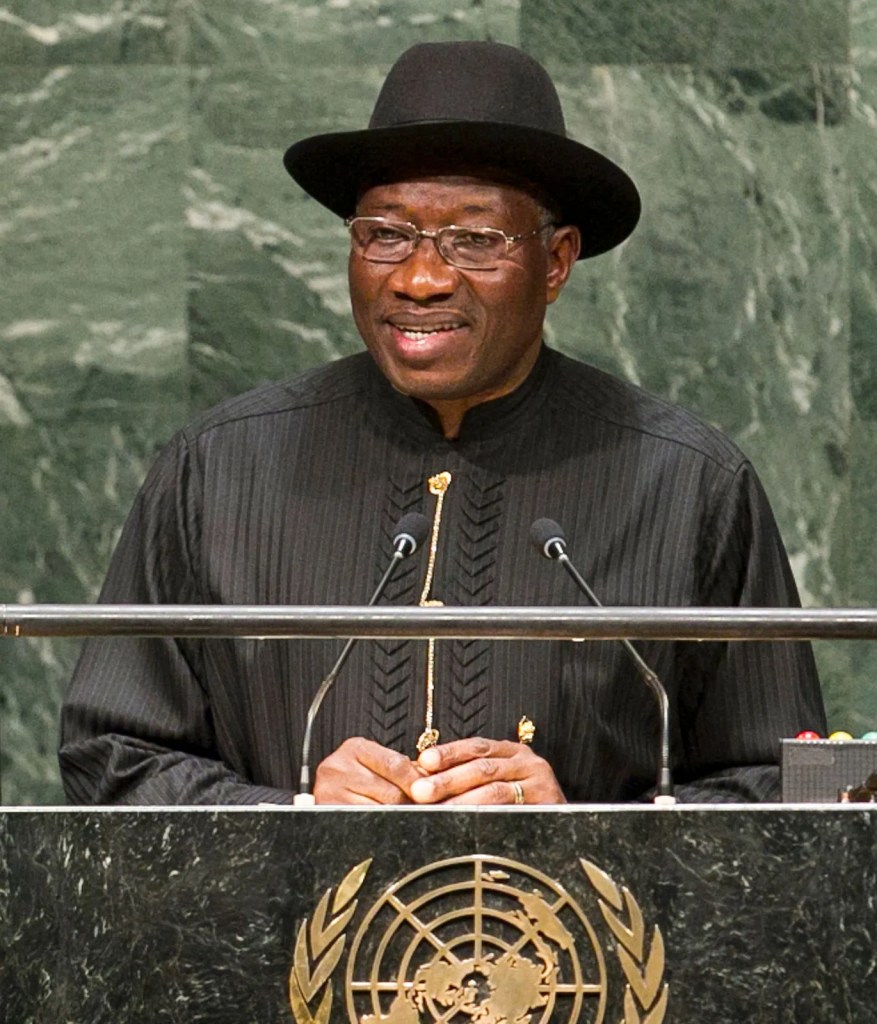
On 13 January 2014, Nigerian President Goodluck Jonathan signed a bill against gay relationships, outlawing gay marriage, public displays of same-sex relationships, and membership in gay groups. A few days later, Ugandan President Yoweri Museveni refused to sign an anti-homosexuality bill that has been in the works since 2009 on the grounds that there are other ways of dealing with ‘an abnormal person.’ Pondering the issue earnestly, he wrote: ‘Do we kill him/her? Do we imprison him/her?’ The ‘soft,’ revised ‘Kill the Gays Bill,’ as it is commonly nicknamed in the media, which has transformed the death penalty into incarceration, has caused substantial aid cuts, especially from European countries like Norway, Denmark, and the Netherlands. One expects other Western countries to follow suit. Museveni is not alone in figuring out how to hang dissenters. In the wake of the trial for ‘sodomy’ of the first president of Zimbabwe, Canaan Banana, his successor Robert Mugabe spoke of homosexuals in his 2002 campaign speech as ‘mad person[s]’ who will be sent to jail: ‘we don’t want to import it [homosexuality] to our country [Zimbabwe], we have our own culture, our own people’ (quoted in The Herald, Harare, Zimbabwe, 6 March 2002). 86 United Nations member countries have laws that criminalize same-sex relations; some 37 African countries, along with Middle Eastern countries, constitute a majority of those so that it is dangerous and even life-threatening to be out in Africa.

Homosexuality, itself a slippery contender finding its roots in nineteenth-century medical literature, is still thought to be quintessentially ‘un-African’ — recall Winnie Mandela’s supporters during her murder trial in 1991 displaying for the cameras outside the Johannesburg Supreme Court placards declaring: ‘HOMOSEX IS NOT IN BLACK CULTURE.’ However, South African Bishops were the only ones among African Anglican bishops not to defeat ‘resolutions’ (section I.10 on ‘Human Sexuality’) to improve the Church of England’s attitudes toward homosexuality at the 1998 decennial Lambeth Conference. It remains that the Church, especially in its Evangelical garb, is always ready to identify homosexuality as an abomination to God. American film-maker Roger Ross Williams, director of “God Loves Uganda” (2013), speculates that “Americans are behind” this evangelical frenzy against such abominations as same-sex sex in a country that happens to be one of the top three in the world to assiduously watch gay internet porn.

Homosexuality is also often depicted as an import from the deviant West. But the African Continent has always been more queer than generally acknowledged; it has always rainbow-hazed into such a range of sexualities that it is a matter of political and critical concern that homosexuality and African societies are read as anonymous. Also, this homosexuality falls outside of the purview of the law and even of language. The expression—‘to call a spade a spade’— entails speaking plainly without avoiding embarrassing issues. But what if the spade, while remaining a tool, is called differently in another language?
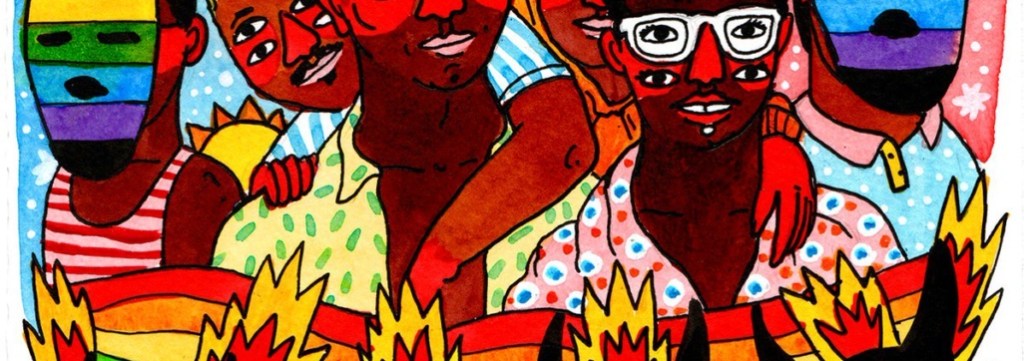
The question of what constitutes ‘sex’ in Africa and, in particular, same-sex sex is still a blind spot. As the work of Marc Epprecht and Neville Hoad has revealed, not all African men or women who have same-sex sex think of themselves as gay or homosexual or bisexual, or queer. They are seldom members of activist LGBT organizations and are not computed in the sexual health literature on HIV/AIDS. Also, in Africa, Latin America, and other parts of the world, there is tension between homosexual identity and homosexual practice. ‘Homosexual’ would be more likely reserved for the passive partner whereas the active partner retains heterosexual identity. In the Arab Muslim world, some thinkers like Joseph Massad in Desiring Arabs (2007) have pitted the ‘Gay International’ against ‘the Arab World.’ What is at play here is a politicization of African indigenous or Islamic same-sex desire as a form of resistance to West toxification. Yet, the West is not always perceived as the white peril that it is portrayed to be, as was evident in the Arab Spring movements, during which the West and the ‘Orient’ did and continue to share the same vocabularies that spread like a bushfire in the harmattan through the media, the internet, and social network sites.

However, such terms as ‘gay/lesbian,’ which reek of Western liberation struggles, and, more recently, ‘queer’, a movement generated in academe, certainly point to the globalization of sexual identities. These words were originally imported to the African continent via English, French and other Western languages and often clash with indigenous designations and their corollary practices. In South Africa, a ‘masculine man’ playing the dominant role in a relationship with another man is called ‘a straight man’ and is not perceived as ‘gay’ because he acts as penetrator during sexual intercourse. Conversely, the use of ‘gay’ is susceptible to a category crisis as some South African women self-identify as gay women rather than lesbians. Whereas the term ‘male lesbians’ is an attempt at translating the Hausa (e.g. Northern Nigerian) for ‘passive’ male partners or ‘yan kifi, who have sex with each other, ‘lesbian men’ in Namibia designate women who play the dominant ‘butch’ role in a same-sex relationship. Even though the terms ‘butch’ and ‘femme’ are not known in (Namibian) Damara culture, the various sexual practices and dress codes find some resonance in the admittedly Western butch-femme dyad. Conversely, in Kampala, Uganda, where sections 140 and 141 of the Penal Code condemn same-sex relations, some Ugandan women identify themselves as ‘tommy-boys,’ that is, biological women who see themselves as men, who need to be the dominant partner during sex, rather than ‘lesbians,’ and often pass as men.

From Senegal to Southern Africa, many African gay men invoke the animistic belief in ancestor spirit possession. A Shona gay man in Zimbabwe claims he is inhabited by his ‘auntie’ whereas in Senegal, the gor-djigeen (male-female in Wolof) is haunted by the primordial severance between male and female in the Creation of the Universe. In her autobiography, Black Bull, Ancestors and Me (2008), written in the safety provided by the new South African Constitution in 1996, with its ground-breaking sexual orientation (9:3) clause in its bill of rights, Nkunzi Zandile Nkabinde relays her gradual empowerment as a ‘lesbian sangoma’ or traditional healer in Johannesburg. Yet, more than the famed sexual orientation clause, the ‘homosexual’ relationship between her as a sangoma ‘male woman’ dominated by her ‘male ancestor’ and her ‘ancestral wife’ is sanctioned by Zulu spiritual possession cults, which often privilege female men over male women. Upon closer scrutiny, it appears that lesbian sangomas and their ancestral wives are not united in a common identity based on shared sexual orientation but rather are distinguished from each other according to gender difference, complicated by spirituality. Ancestral wives can only function in their relation to masculine females or ‘male women,’ the way ‘dees’ (from the last syllable of the English word ‘lady’) function solely in their relation to ‘toms’ (from ‘tomboys’) in Thailand. Thai toms are capable (khlong-tua) biological women who protect and perform sexually for dees or female partners, without toms and dees being thought of as ‘lesbians.’ Even though Nkunzi Nkabinde, unlike the Thai tom, translates her gender identity into ‘tomboy’, ‘lesbian’ and ‘butch’, the Zulu label tagged onto her ‘ancestral wife,’ like the Thai term ‘dee,’ falls off the grid of a global, translational and transnational vocabulary.

That vocabulary is also expanding in Western societies where the LGBT spectrum has now become LGBTQI2. The 2 refers to ‘Two-Spirit,’ the translation of niizh manitoog, the Northern Algonquin term in vogue since 1990 in Canada, which has been added alongside the Q of Queer and the ‘I’ of Intersex. Both in and outside of Africa, there is an argumentative frenzy around the instability of gender and sex and non-conforming performances of gender. This may lead to the worldwide need to re-orient sexual orientation clauses to embrace and protect a gender diversity that dares not speak its name. After all, a spade is a shovel but it is also one of the four suits in conventional playing cards.
Appreciation Post

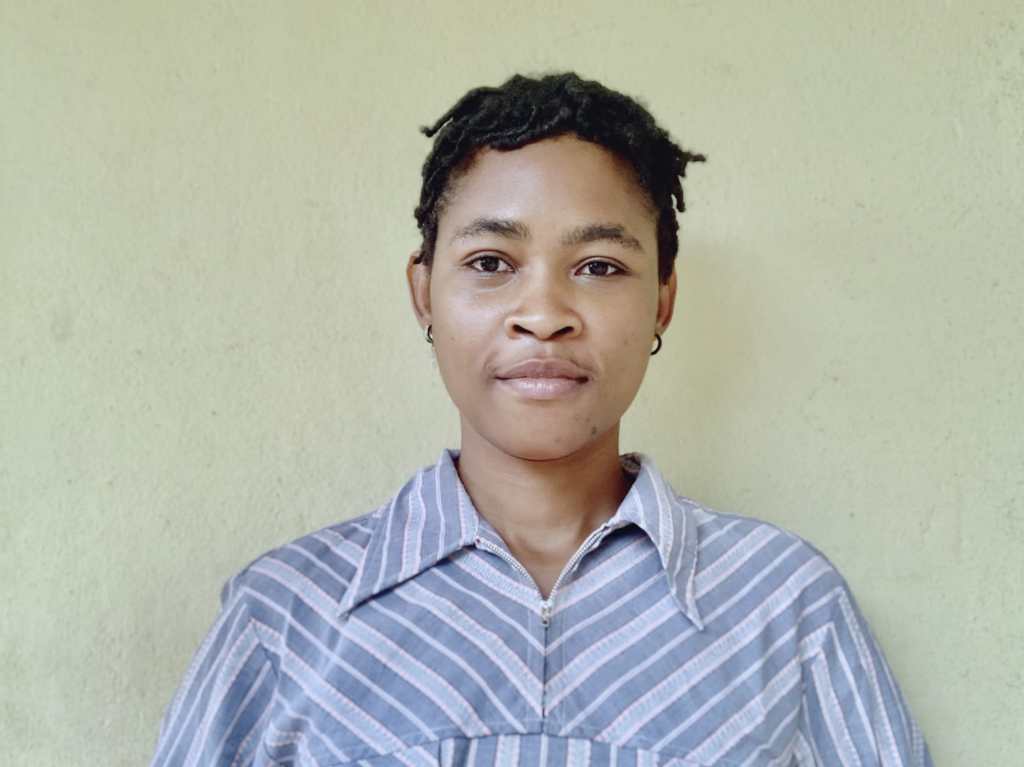
We’re glad to present to you Clara Orock our Gender and Community Officer.She holds a Bachelor of Science Degree in Chemical Engineering. After graduation, Clara gained interest in Civil society and Humanitarian activities and dedicated most of her time to seeing her passion come through. She has worked as a medical representative and has excellent leadership skills. She is an engaging person full of positive energy and has a dedicated passion for her Job.She is a team leader and at your service. If we were to give her a color it will be Blue because of her interest in seeing things go right and gain the expected results and output. She is in charge of all Gender related issues Congrats Clara
GENDER INCLUSION

Gender inclusion is a concept that transcends mere equality. It’s the notion that all services, opportunities, and establishments are open to all people and that male and female stereotypes do not define societal roles and expectations. While many countries have made dramatic strides in narrowing the gap between the sexes, statistics show that prevalent challenges exist, and we must address and eradicate them before our society can achieve true gender inclusion.

Promoting gender inclusion through the creation of demonstrative examples of the concept in action is of the utmost importance as we strive toward this goal.

The Need for Gender Inclusion

Even as prominent sections of the population strive for a more inclusive society, the lack of gender inclusion persists as a major issue. According to a 2017 United Nations survey, various structural roles in the home, school, and workplace are prime movers behind the ongoing lack of inclusion.

Gender Gaps in the Workforce

The discrepancy in workplace wages is one of the biggest indicators that a lack of gender inclusion still exists. While studies indicate that the gender gap in pay has decreased since 1980, there is still a noticeable difference between what women earn and what men earn. The following resources demonstrate how this gap looks in modern society.

The Narrowing, but Persistent, Gender Gap in Pay: This comprehensive write up aims at indicating existing gaps between what men earn which is at times slightly too much or with big gap difference between what women earn.

The State of the Gender Pay Gap 2018: This report breaks down the gender pay gap through correlating workforce data, including the lack of women at an executive level.

What Can Be Done to Demonstrate Gender Inclusion?

The concepts of gender inclusion and gender roles can originate during child development. Studies indicate these roles are chiefly established during adolescence. Therefore, it is important to reach out to youths and explain the significance of gender inclusion. Doing so can potentially make inroads toward eliminating the gender gap that is still unfortunately prevalent in society.

Talking to Young Kids About Gender Stereotypes: This article provides guidance on how to raise children in an environment defined by gender inclusiveness and also lays out the negative gender attitudes that can manifest without such an atmosphere.

Fast Facts: Youth and Gender Equality: This report demonstrates the challenges that lie ahead in reaching youths about gender inclusion around the world.

Understanding Inclusion and Participation in Working with Youth: This article is a summary of a UNESCO-led workshop built around demonstrating gender inclusion to young people.

The Future of Gender Inclusion

The ongoing push to close the gender gap and promote gender inclusion may have a fundamental impact on how future generations perceive gender and gender roles.

The Future of Gender?: This article examines the impact gender inclusion could have on various aspects of society, from gender hierarchy to communication.

A Gender-Neutral Future: This article demonstrates how further decreasing the gender expectations surrounding various activities can bring about greater instances of gender inclusion.How Can Teachers Be More Gender Inclusive in the Classroom?: This article explores the role of educators in promoting gender inclusiveness and equality to tomorrow’s adults.

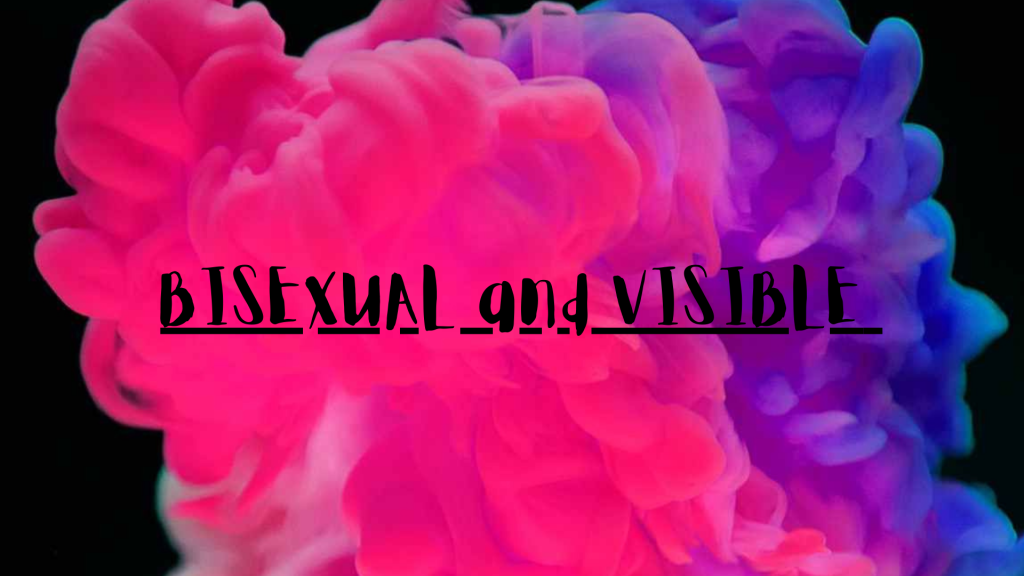
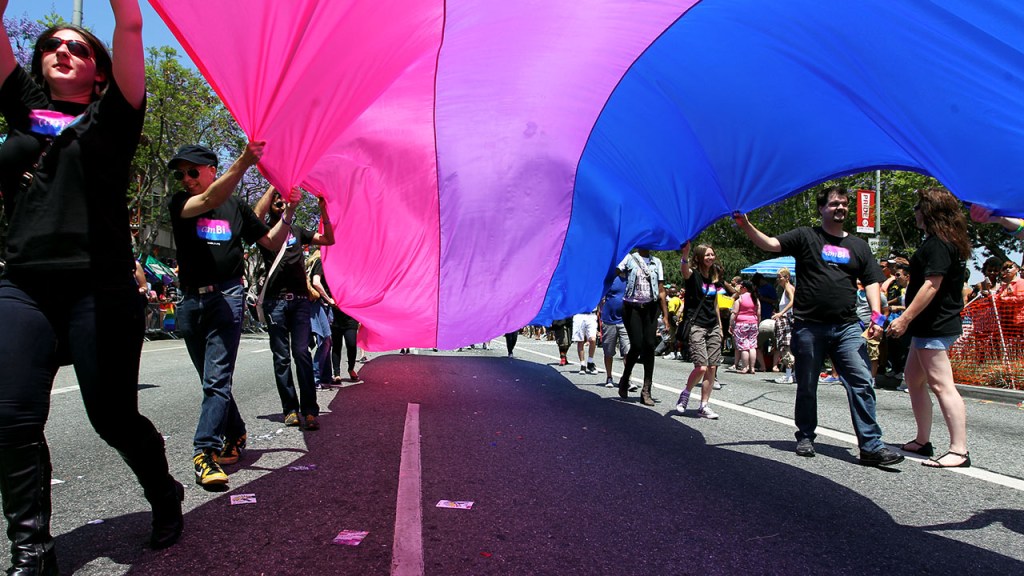
We are Bisexually Visible: Happy BI Week

It’s BI Week! ❤️ Dedicated to all BI persons💕

Collective amnesia makes us feel as if there are no bi people in history. That is, until we see that bi people have been there all along, they’ve just been mislabeled or left out of the narrative. Bisexuality is the sexual and/or romantic attraction to multiple genders.

Nestled within the term bisexual are other labels, including pansexual, omnisexual, and polysexual. Which term people use is almost entirely down to preference, although sometimes the choice is driven by an ahistorical misconception that the bi in bisexual reinforces a gender binary and excludes trans and nonbinary people.One reason why we might “forget” bisexuals is because those who are attracted to people of multiple genders rarely call themselves bi. Historically, there have been a number of reasons for this, including wanting to avoid discrimination and stigma. There have long been toxic misconceptions of bisexual people as promiscuous and unfaithful, in a confused state of sexual transition or experimentation, lying about their attractions for attention or to attract men (particularly bi women), or simply adhering to some sort of trend (particularly young people).Being bi could also get you kicked out of your local queer space. Bisexuality introduces nuance, which has always made it easier to discard than accommodate it. In tough times, when queer people were fighting for their lives and for basic legal protections, some gay rights groups strategically rejected bisexual people.

The month of September is dedicated to bisexual identity, relationships, and community! While we’re taking this particular time to celebrate bisexuality and its integral role in the LGBTIQ+ community, we must also take this time to become more aware of the independent struggles that bi, pan, and other non-monosexual/monoromantic people Face.

The situation in Cameroon becomes more confusing as the existing legislation criinalises blindly same sex activities even though the statement within the context of the law remains vague as it stipulates “any one caught having sexual relationship with a person of the same sex shall be punished with imprisonment for from 6months to 5 years with a fine of from 20000frs to 200000frs” thus making it more confusing because the fundamental question remains, how will you catch two people having sex if they are in their closed private space, the trend has been people breaking in and removing two lovers from their private space, so the nature of Biphobia is alarming in Cameroon.

Bisexual erasure is the invisibilization of bisexual identity, and microaggressions against bi folks are rampant within and outside the LGBTIQ+ community. These actions, while they may be well-intentioned, can perpetuate a mentality of gatekeeping that we’re not About. Just like other countries will be fully engaged in celebrating BI week, it is however going to be a different narrative in most parts of the world where Punitive Laws against LGBTIQ persons still exist Four out of five African countries have laws criminalising homosexuality and the public expression of sexual or gender behaviour that does not conform with heterosexual norms. These same laws even sometimes punish LGBTI (lesbian, gay, Bisexual, trans, intersex) rights advocacy.

Some African countries have partly decriminalised LGBTI persons or given them better protection. However, across the continent – with the notable exception of South Africa – such persons are still far from fully enjoying the same rights as other citizens reasons why bisexuality Week will be celebrated low key for security reasons. Furthermore, recent years have seen the emergence of a worrying trend: the adoption of tougher legislation coupled with clapdowns on the bisexual community who are often discriminated upon and humiliated by fmikly or their spouse when they discover their bi nature. An argument frequently used in support of discriminatory legislative and other measures targeting LGBTI persons is that non-conforming sexual orientations and gender identities were brought to Africa by Western colonisers and are contrary to the ‘African values’.    With the exception of South Africa where LGBTIQ person are allowed by the constitution to exercise their sexuality/sexual orientation freely, the question of diversity and tolerance remains a major problem in most African countries even though Bisexual persons are endowed with super Amazing potentials and qualities, most of them prefer to keep their sexual orientation private as it could jeopardize their career or relationships.

People have often asked this rhetorical question “if Homosexuality is criminalized in almost all of Africa then where are Bisexual persons in all of this, or there exisit non ?” the answer to this will be surprising but LGBTIQ persons consitute a vast majority of the population but will rather live in hiding and fear due to existing Punitive Laws. Even though over the years countries have been trying to weaken their legislation regarding same-sex sexual activities, South Africa remains the only country where living freely and getting married as an LGBTIQ person is permitted by law. South Africa is one of the few African countries that has been less defiant and more tolerant to the LGBTIQ community and more importantly to the Bisexual community and one of the only countries that has produced many talented singers, stars and persons of high influence who /are bisexual persons. The country has by far experienced an increase in the number of cases of people coming out. Surprisingly, the paradox that South Africa’s gay, lesbian, and bisexual  movement, although opposed by the vast majority of the population, has progressed much faster since democratisation in 1994 than other  movements worldwide. Why have the movement’s legal victories – especially on same-sex marriage, which is little-discussed in the scholarly literature – not been overturned by a hostile public? My answer considers the political alignments of the post-apartheid era, the tactical responses of the movement and its opponents, and the attempts of both sides to site their arguments within the broader master-frames of liberation or tradition. The LGBTIQ movement has succeeded because stable political alignments allow it to concentrate on lobbying and litigation, where it has compellingly argued that its own agenda dovetails with that of the ruling elite. The countermovement, in contrast, has focused on electoral politics, has lacked internal cohesion, and has been unable to craft a message that resonates with the beliefs and values of post-apartheid nationalism – weaknesses that to date have impeded popular opposition from interfering with the LGBTQ movement’s legal victories and that are likely to continue doing  so. South Africa has a record of celebrities and politicians “coming out” to the public as LGBTIQ persons with the example of Popular Brenda Fassie of Blessed memory.

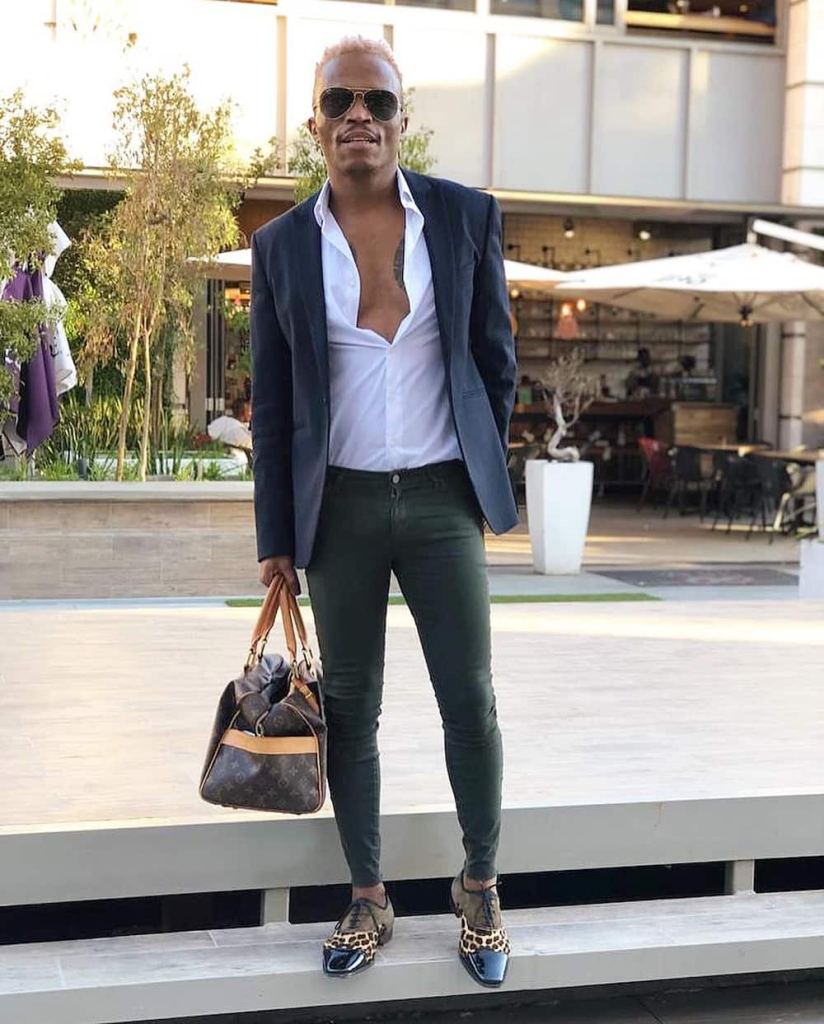
Here I will be examining one of such prominent celebrities by name Somizi Buyani M. who came out as Bisexual, his most famous works and the impact he has created both nationally and internationally.Somizi Buyani Mhlongo with a networth of over $ 5million as of 2022 (born 23 December 1972) is a South African media personality, television presenter, actor and choreographer. In 1992, he appeared on the musical and political film, Sarafina! which gained him prominence. He has been lead choreographer for numerous shows and events, including the opening and closing ceremonies for the 2010 FIFA World Cup and 2013 Africa Cup of Nations. He has a 27 years old daughter with Palesa Madisakwane by name Bahumi Madisakwane. He later on got married married to Mohale Motaung (2019_2021) another South Male African celebrity.

Mhlongo has also appeared in several films including drama film Cry, the Beloved Country (1995) as well as various television shows, including Idols South Africa and V Entertainment.Mhlongo has featured on the television series Tarzan: The Epic Adventures in 1996. His biggest judging duty was when he was appointed as the new judge for the eleventh season of Idols South Africa. He was also a lead judge on the former SABC 1 competition show Dance your butt off.  In 2016, he premiered his reality show Living the Dream with Somizi which aired on Mzansi Magic. Other TV credits include City Ses’la, Ayeye and 10 Over 10.This alone kills the conception many people have about LGBTIQ persons. Back to our celebrity, On 29 June 2017, Mhlongo released his autobiographical book named Dominoes, Unbreakable Spirit, which he co-wrote along with journalist and author Lesley Mofokeng. The book shares his life in showbiz, childhood, entertainment business, parents’ roles, sexuality and friendship.The TV personality is among the many local and international stars who often make headlines with his admirable charity work.

By helping the needy, offering wheelchairs to persons with disabilities, helping pregnant single mothers. His acts of kindness go beyond measure. But his success story has not been without stumbling blocks as The government of Zambia once banned the Bi television presenter actor and singer from performing in Zambia.To crown it all, even though being an LGBTIQ persons and more importantly Bisexual in most parts of the world remains a taboo coupled with the fact that bisexual persons get less recognition, it remains very pertinent that we build tolerance and diversity in our hearts, thus giving chance to peaceful coexisting with one another.

Happy 😊 BI week

2021 ANNUAL REPORT WFW

The General public can now have access to our Annual Report for 2021 by simply downloading or viewing the file attached below to see all details.

Our goal is to modernize how people talk about equality and inclusion of sexual and Gender minorities, and tie it back to what this historical moment is calling for that is: Complet decriminalization. Our Partners, Donors, and collaborators through grants were able to give us an active voice throughout 2021 in realizing these works.

As you all know, Working for our wellbeing Cameroon has as mission to Carter for the welfare of sexual and Gender minorities in Cameroon. We were able to achieve these goals due to the support we got from partners and collaborators in 2021. During this period, we succeeded to establish a strong network through the work we do. These bodies include TCEN, UNFVT, The European Union, ALL OUT, and DIGNITY FOR ALL not forgetting our consortium of platforms such as: The Platform Unity and others who accompanied us and helped us to be able to reach our target and goals for the year 2021.

A big thank you.

Last Year’s Award Ceremony.

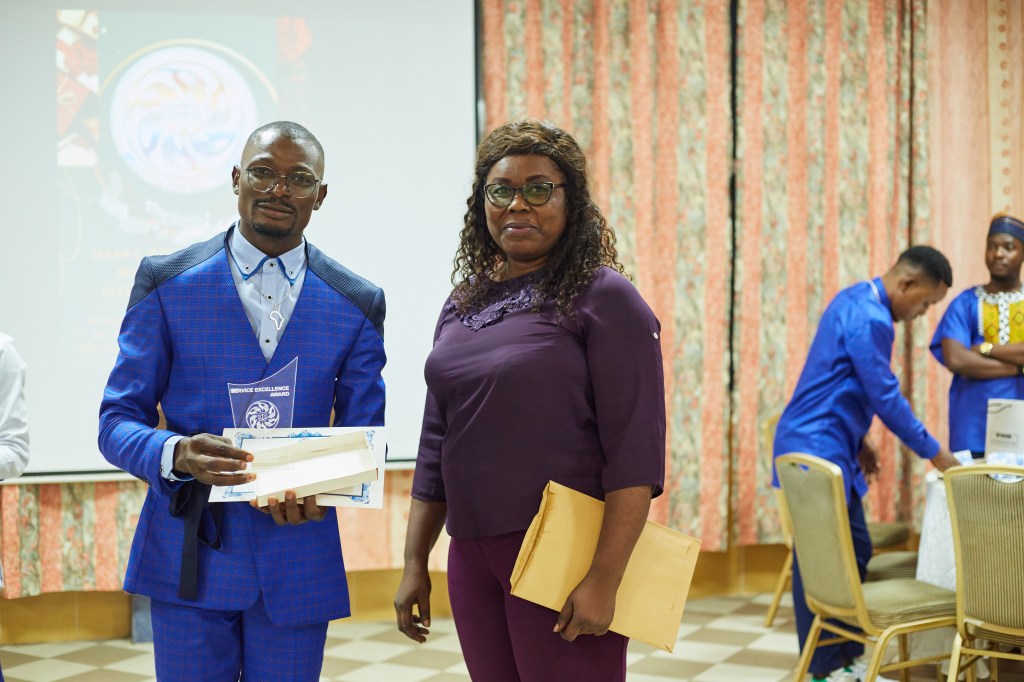
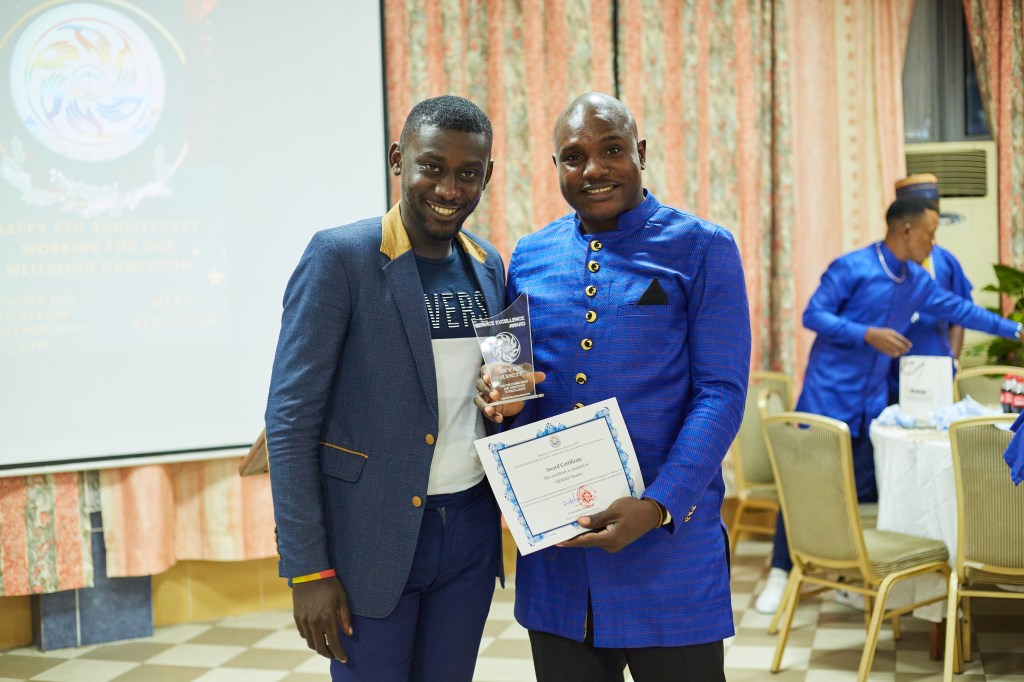
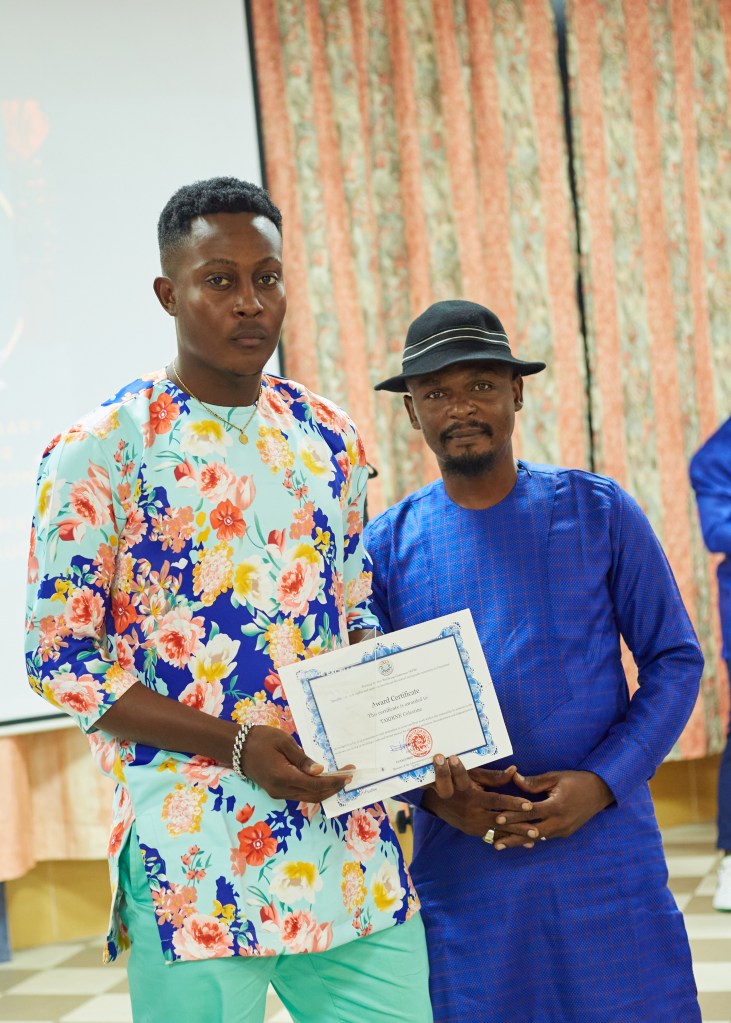
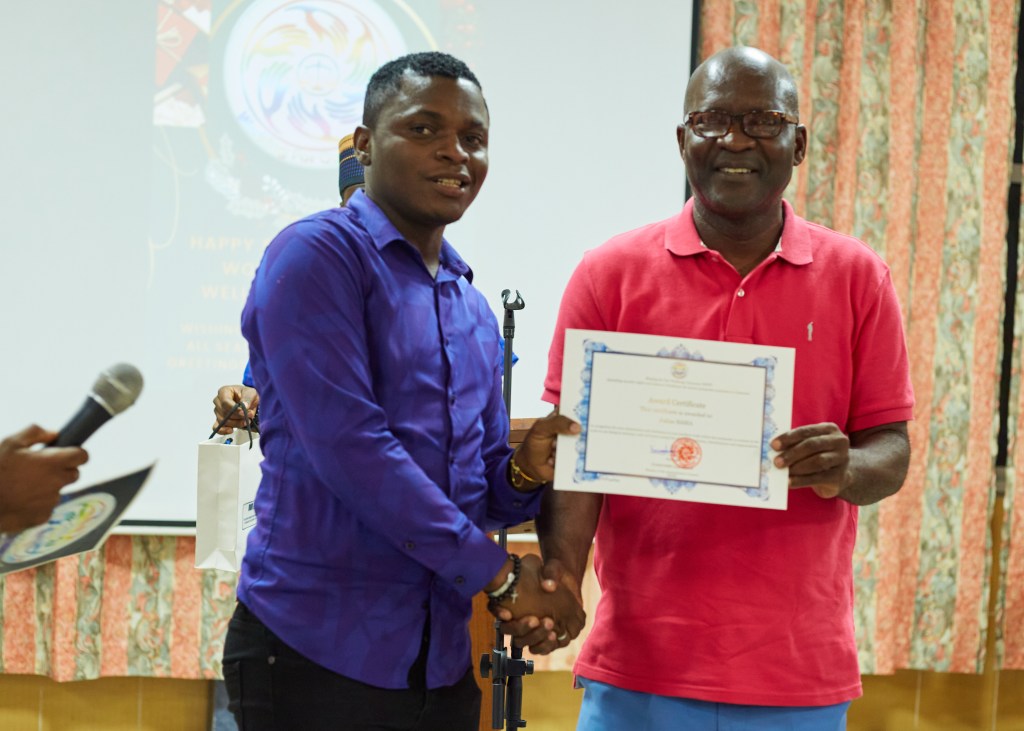
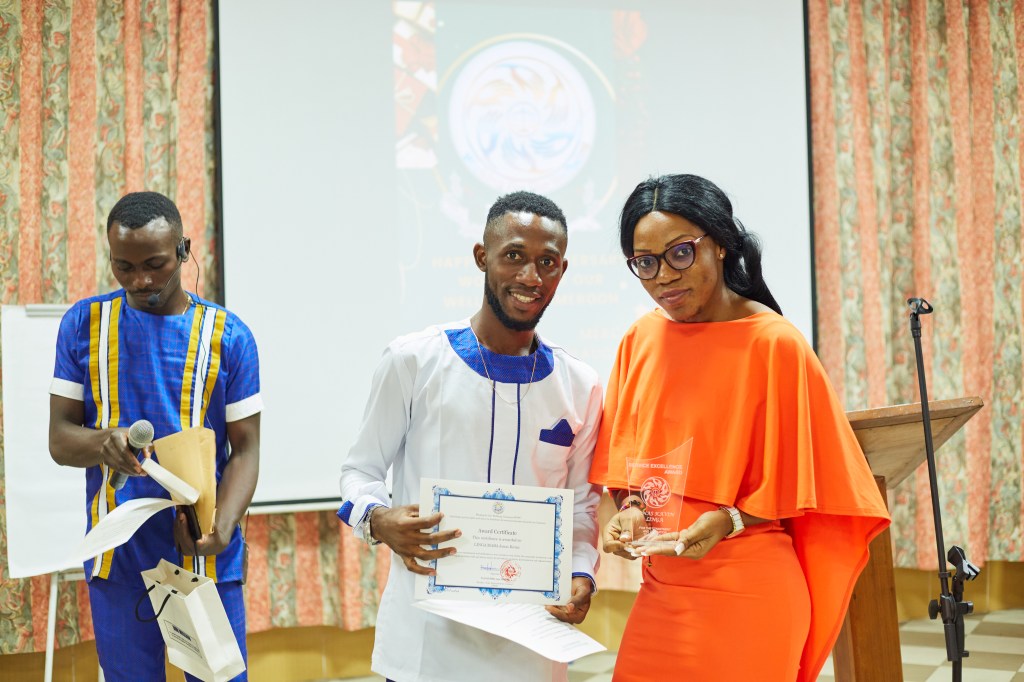
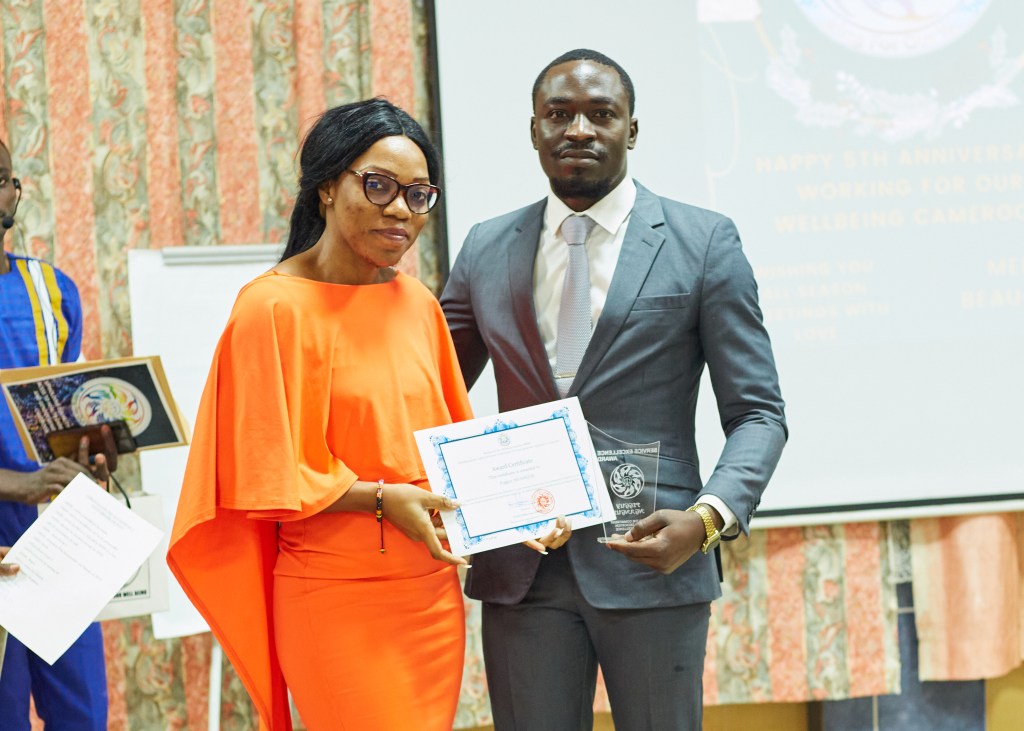
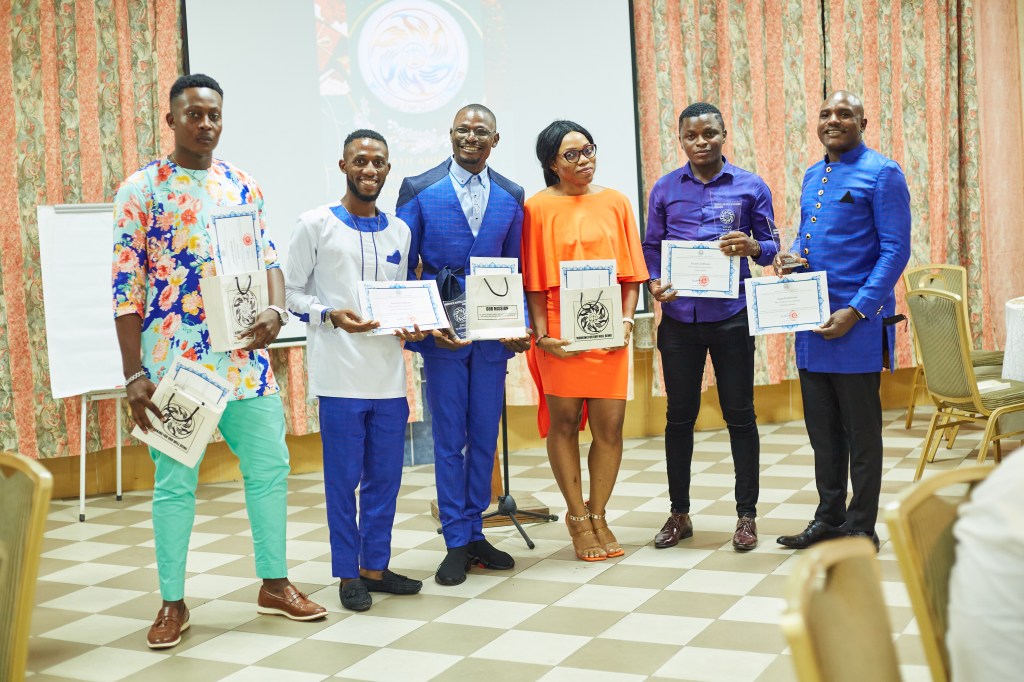
Last year marked a turning point in the history of our organization. 2021 made Working for our Wellbeing Cameroon exactly 5 years of existence. It was a moment of celebration of excellence and achievement for how far we have gone and the work we have done during the previous years. Being one and so far only English Speaking Organizations in the entire Cameroon that defends and Protects the Rights of sexual and Gender minorities have been challenging for us even though with the many challenges,  we have been able to pave our way through. During this solemn seremony, persons that have been actively and tirelessly serving the community through their work were awarded certificates of excellence for their bravery and community service. The pictures below are intended to serve as archive for reference.

Metuge GGilles and the representative of COFHENO
Bama J. and the representative of the CHRC
Linga Jonas M. HRO
Njomo Raissa
Awardee’s

PRESS RELEASE

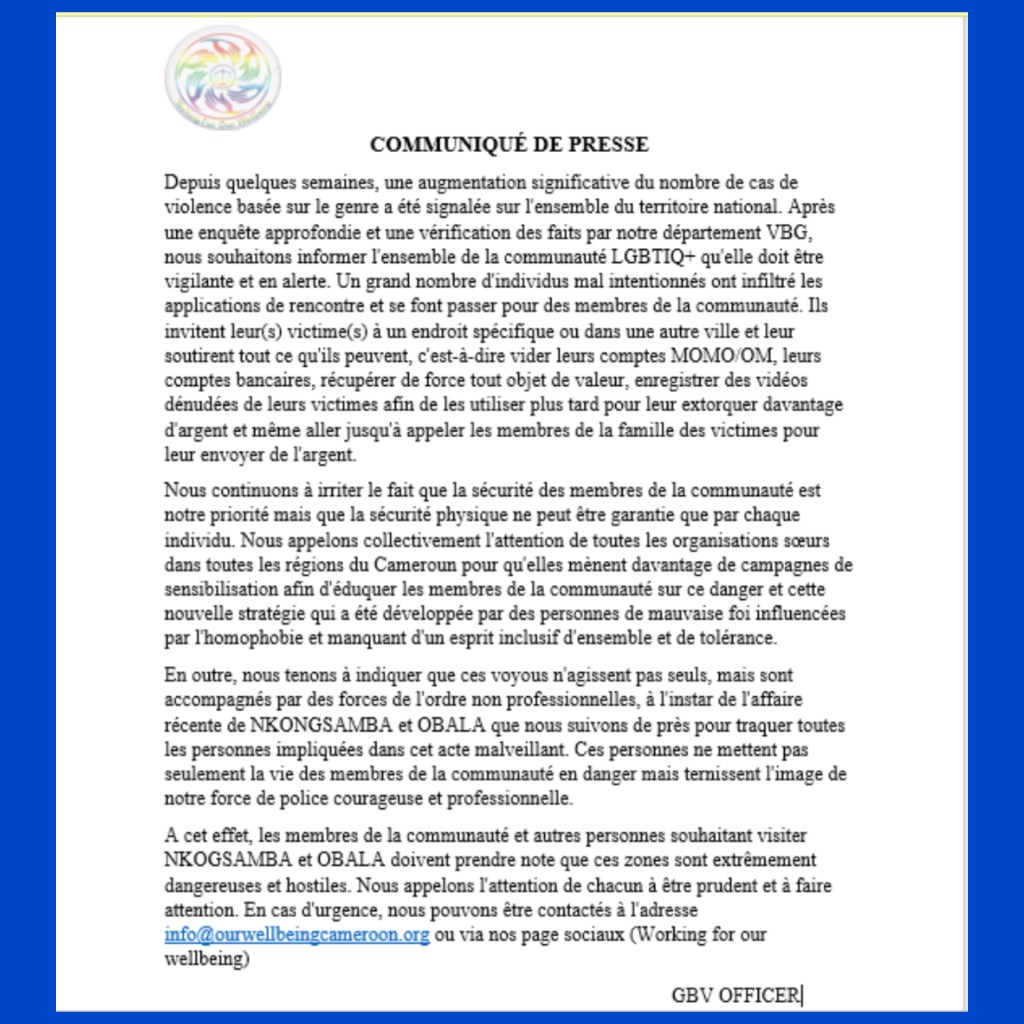
For the past weeks, there has been a significant rise in the Number of Gender Based Violence Cases being reported all over the national territory. After thorough findings and fact-checking by our GBV department, we will like to inform the entire LGBTIQ+ community to be vigilant and on alert. There have been a great number of ill-intent Individuals who have infiltrated dating Applications and are posing as community members. They will invite their victim(s) to a specific location or another town and collect everything from them that is, emptying their MOMO/OM Accounts, Bank Accounts, forcefully collecting any valuables, recording nude videos of their victims to use later on to extort more money from them and even go as far calling (the Victims) family members to send them money.

We continue to irritate the fact that the security of community members is our priority but physical security can only be guaranteed by each individual. We are collectively calling the attention of all sister organizations in all regions of Cameroon to carry out more sensitization campaigns to educate community members about this danger and a new strategy that has been developed by persons of bad faith influenced by homophobia and lack an inclusive mind of togetherness and tolerance.

Moreover, we will like to indicate that these hoodlums do not act alone but are accompanied by some unprofessional forces of law and order just like the recent case in NKONGSAMBA and OBALA which we are closely following up to track down all persons involved in this malicious act. These persons not only put the lives of community members in jeopardy but tarnish the image of our brave and professional police force.

To this effect, community members and other persons wishing to visit NKOGSAMBA and OBALA should take note that these zones are extremely dangerous and unfriendly. We call on the attention of everyone to be careful and watch out. Also to call on the attention of community members aiding these persons to put an end to this so that we can collectively build and inclusive society. In case of an emergency, we can be contacted at info@ourwellbeing.org or via our social media handles @ (Working for our wellbeing/our wellbeing Cameroon)

Press Release English

COMMUNIQUÉ DE PRESSE Depuis quelques semaines, une augmentation significative du nombre de cas de violence basée sur le genre a été signalée sur l’ensemble du territoire national. Après une enquête approfondie et une vérification des faits par notre département VBG, nous souhaitons informer l’ensemble de la communauté LGBTIQ+ qu’elle doit être vigilante et en alerte. Un grand nombre d’individus mal intentionnés ont infiltré les applications de rencontre et se font passer pour des membres de la communauté. Ils invitent leur(s) victime(s) à un endroit spécifique ou dans une autre ville et leur soutirent tout ce qu’ils peuvent, c’est-à-dire vider leurs comptes MOMO/OM, leurs comptes bancaires, récupérer de force tout objet de valeur, enregistrer des vidéos dénudées de leurs victimes afin de les utiliser plus tard pour leur extorquer davantage d’argent et même aller jusqu’à appeler les membres de la famille des victimes pour leur envoyer de l’argent.

Nous continuons à irriter le fait que la sécurité des membres de la communauté est notre priorité mais que la sécurité physique ne peut être garantie que par chaque individu. Nous appelons collectivement l’attention de toutes les organisations sœurs dans toutes les régions du Cameroun pour qu’elles mènent davantage de campagnes de sensibilisation afin d’éduquer les membres de la communauté sur ce danger et sur une nouvelle stratégie qui a été développée par des personnes de mauvaise foi influencées par l’homophobie et manquant d’un esprit inclusif de rassemblement et de tolérance.

En outre, nous tenons à indiquer que ces voyous n’agissent pas seuls mais sont accompagnés par certaines forces de l’ordre non professionnelles, à l’instar de la récente affaire de NKONGSAMBA et OBALA que nous suivons de près pour traquer toutes les personnes impliquées dans cet acte malveillant. Ces personnes ne mettent pas seulement la vie des membres de la communauté en danger mais ternissent l’image de notre courageuse et professionnelle force de police.

A cet effet, les membres de la communauté et autres personnes souhaitant visiter NKOGSAMBA et OBALA doivent prendre note que ces zones sont extrêmement dangereuses et hostiles. Nous appelons l’attention de chacun à être prudent et à faire attention. Aussi d’attirer l’attention des membres de la communauté qui aident ces personnes à mettre fin à cela afin que nous puissions construire collectivement une société inclusive. En cas d’urgence, nous pouvons être contactés à l’adresse info@ourwellbeing.org ou via nos poignées de médias sociaux @ (Working for our wellbeing/notre bien-être Cameroun)

Communiqué

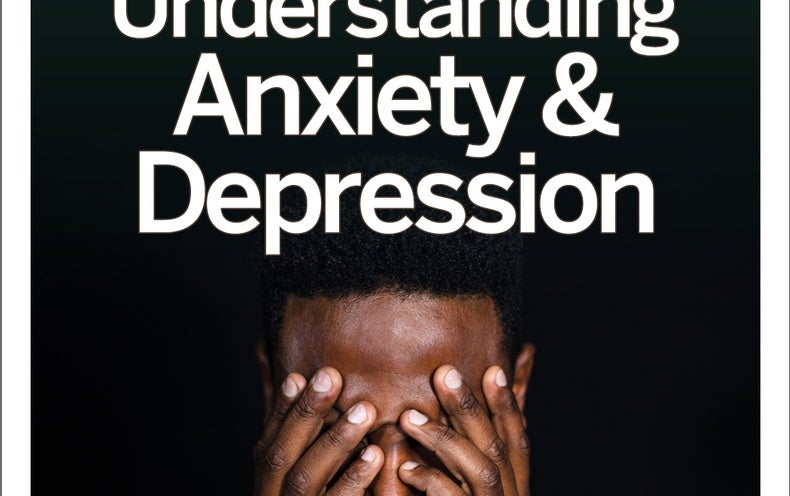
Mental Health Conner/Dealing with Depression

If you can muster the courage to talk about your feelings, it can—and will—be resolved.

Some people think that talking about sad feelings will make them worse, but the opposite is always true. Recently, the rate at which Sexual and Gender minorities are dying Because of depression Is alarming. The society has conditioned us to it’s own standards, defined by the very people who have little or less regards to how others feel.

This is simple, at times it’s not always about being right all times, failure is another important ingredient that spies up our daily functioning when

We understand this aspect it will help us better manage anxiety. It takes courage and bravery to get back on track and say “I will redo this even though I failed”. Don’t let your fears pin you down. Sorround yourself with positive filled people, with people that will verbally challenge you to slumber less and crack hard on those dreams. It’s a decision you will have to take either ways.

It is very helpful to share your worries with someone who will listen and care about what you say. They don’t need to be able to “fix” you; they just need to be good listeners.Coping with suicidal thoughtsIf your negative feelings caused by depression become so overwhelming that you can’t see any solution besides harming yourself or others, you need to get help right away. Asking for help when you’re in the midst of such strong emotions can be really difficult, but it’s vital you reach out to someone you trust—a friend, family member, or teacher, for example. If you don’t feel that you have anyone to talk to.Whatever your situation, it takes real courage to face death and step back from the brink. You can use that courage to help you keep going and overcome depression.

There is ALWAYS another solution, even if you can’t see it right now. Many people who have survived a suicide attempt say that they did it because they mistakenly felt there was no other solution to a problem they were experiencing. At the time, they couldn’t see another way out, but in truth, they didn’t really want to die. Remember that no matter how badly you feel, these emotions will pass.Having thoughts of hurting yourself or others does not make you a bad person.

Depression can make you think and feel things that are out of character. No one should judge you or condemn you for these feelings if you are brave enough to talk about them.If your feelings are uncontrollable, tell yourself to wait 24 hours before you take any action. This can give you time to really think things through and give yourself some distance from the strong emotions that are plaguing you. During this 24-hour period, try to talk to someone—anyone—as long as they are not another suicidal or depressed person.If you’re afraid you can’t control yourself, make sure you are never alone.

Even if you can’t verbalize your feelings, just stay in public places, hang out with friends or family members, or go to a movie—anything to keep from being by yourself and in danger. Hang out have fun chill and pour out those excess emotions on something else.

CHOGM 2022 “Delivering a Common Future: Connecting, Innovating, Transforming” The Aftermath.

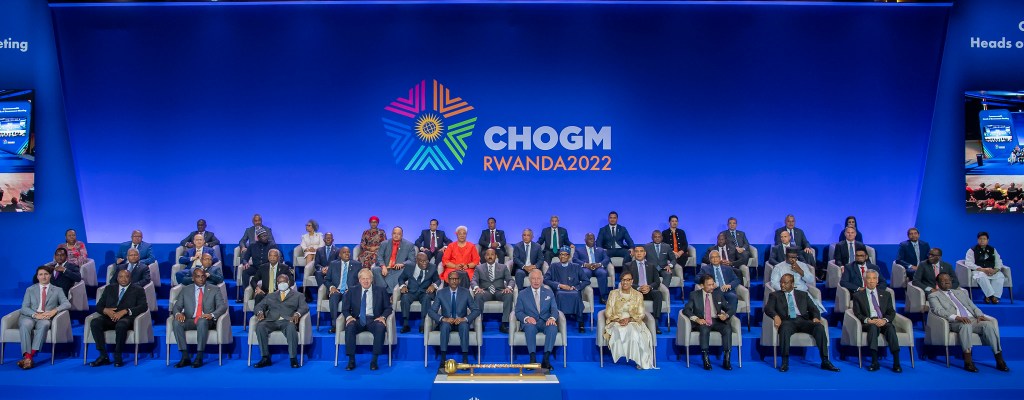
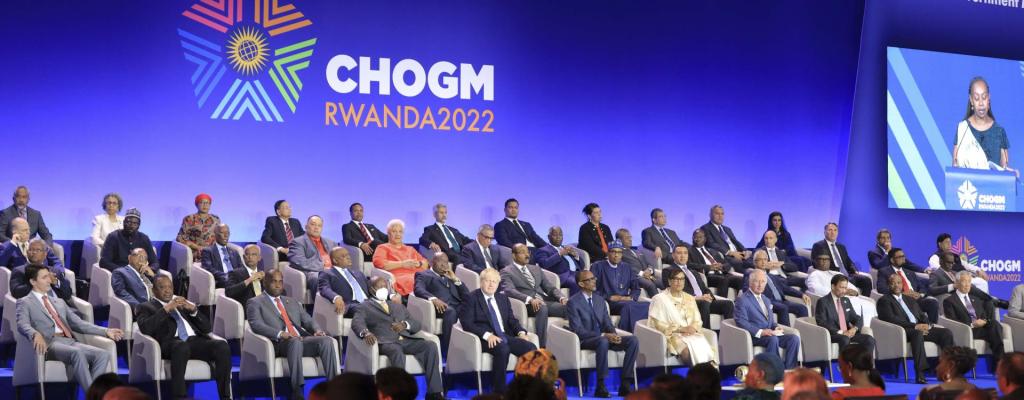
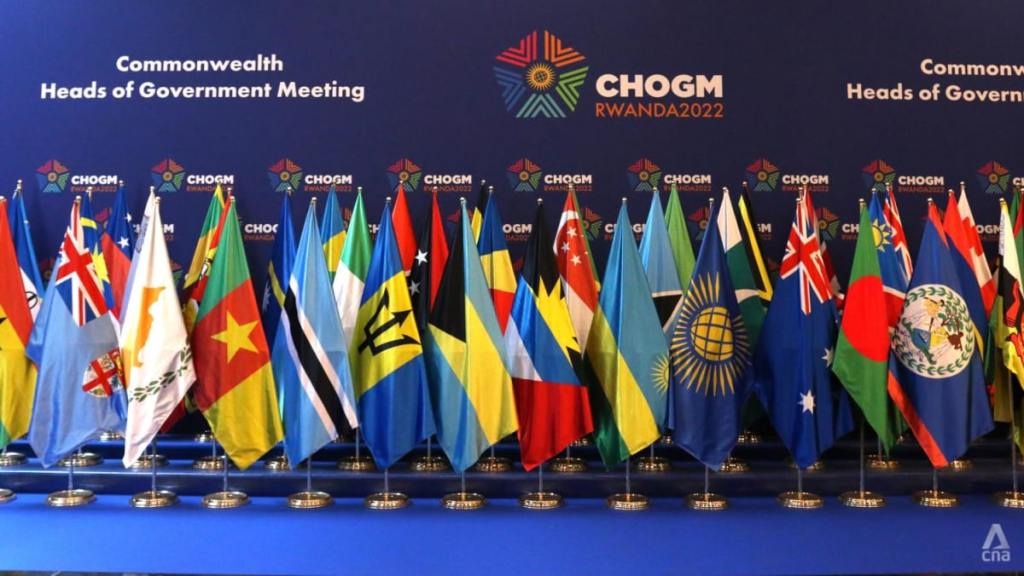
The 2022 Commonwealth Heads of Government Meeting, also known as CHOGM 2022, was the 26th Meeting of the Heads of Government of the Commonwealth of Nations.

CHOGM#2022

The meeting was originally scheduled for 26–27 June 2020 preceded by various fora between 22–25 June, but was postponed twice due to the COVID-19 pandemic. On 31 January 2022, it was announced that the meeting would be held on 24 and 25 June 2022 and the pre-meeting fora held from 20 to 23 June.This theme highlights how the 54 member countries in the Commonwealth family are ‘innovating, connecting and transforming’ to help achieve some of its biggest goals, like protecting natural resources and boosting trade. It was chosen because Commonwealth countries are connected by deep-rooted networks of friendship and goodwill.

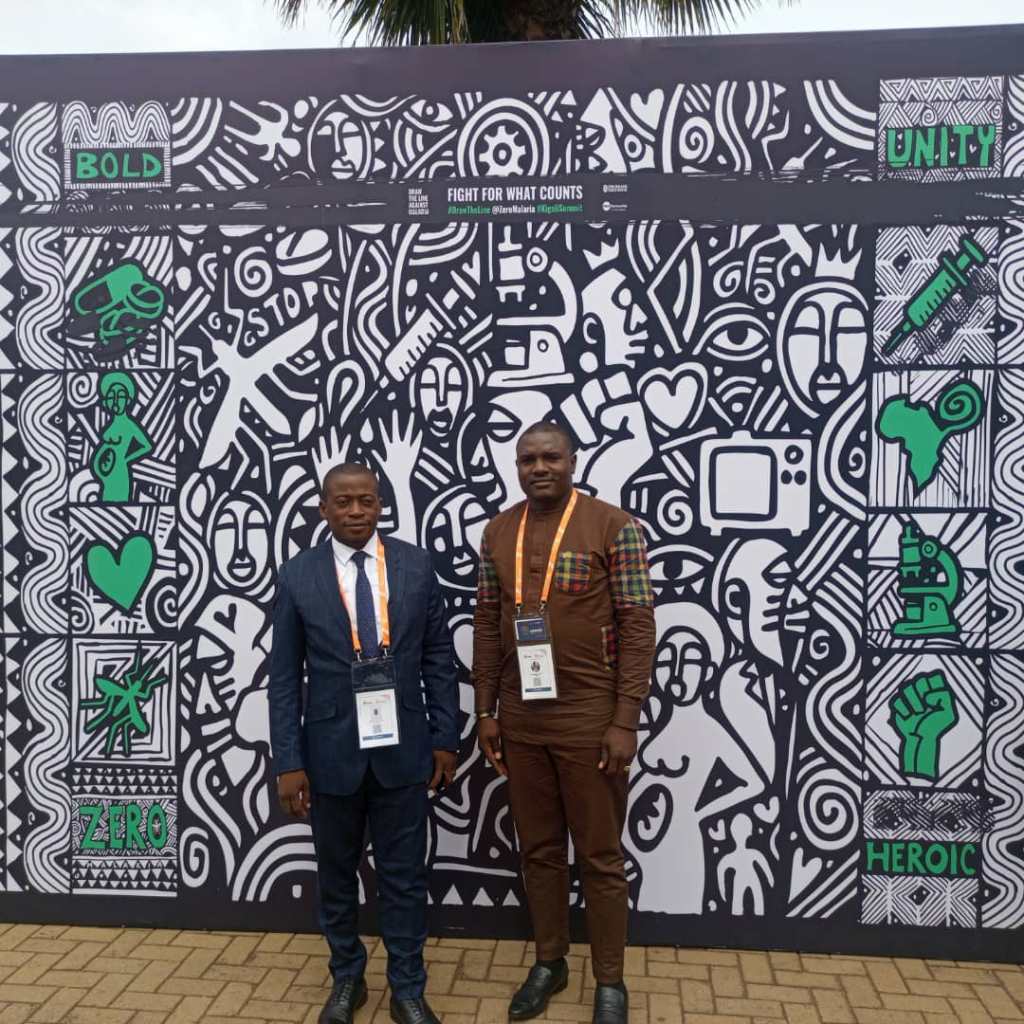
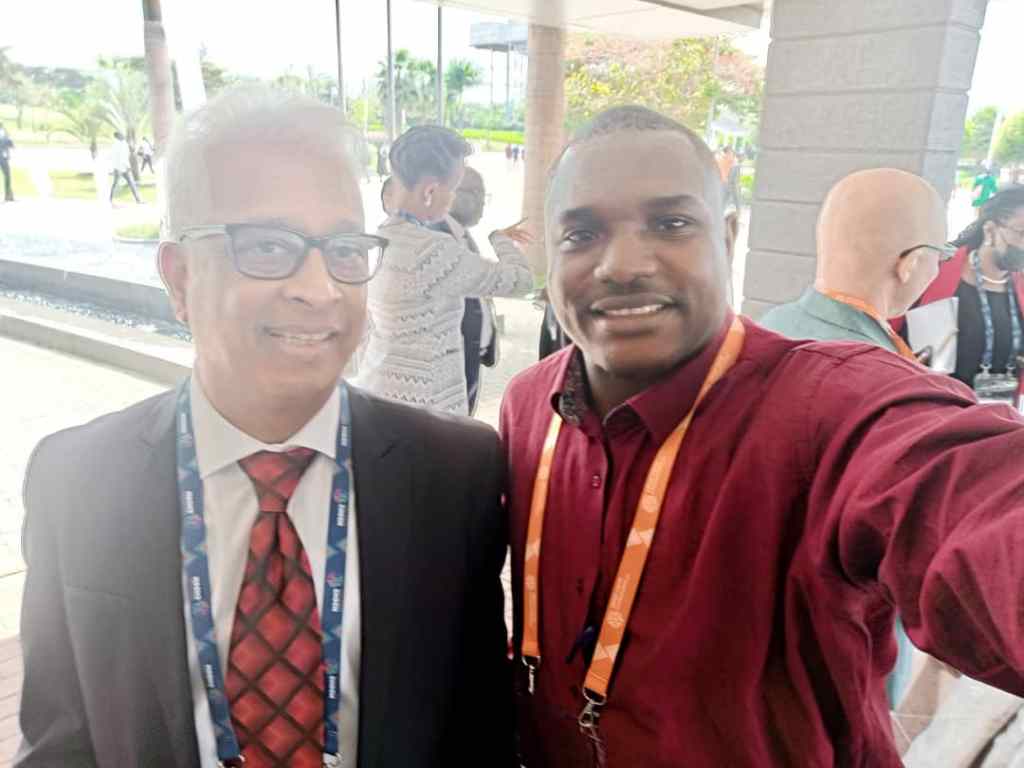
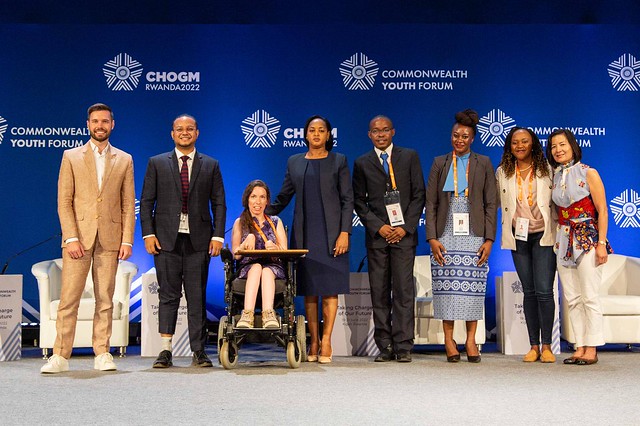
The theme for CHOGM 2022 was ‘Delivering a Common Future: Connecting, Innovating, Transforming.’ which had in attendance delegates from all over the world with The Executive Director of Working for Our Wellbeing Cameroon being part of this prestigious event in Rwanda 🇷🇼.

While there, he did represent the needs of a broder Cameroonian society it terms to its contributions to the CHOGM goals.

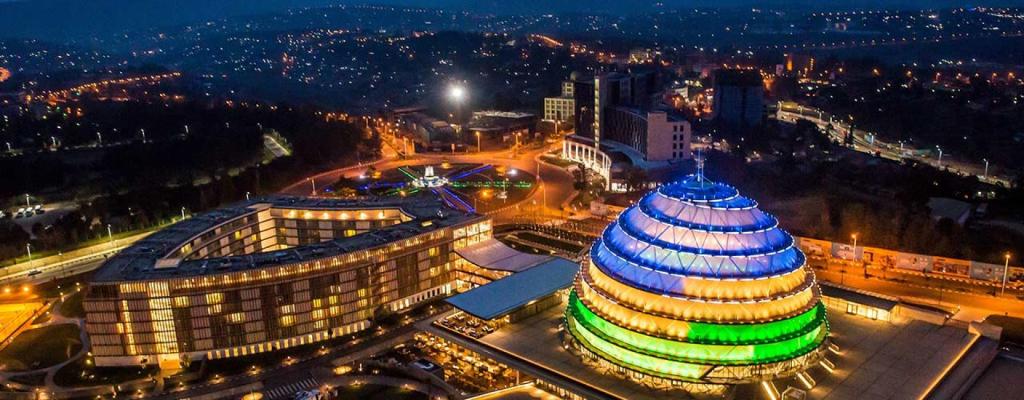
The meeting began on the 22 June with CHOGM Breakfast Meeting – Climate Change and the Commonwealth: Accelerating Action atKigali Conference CentreThis event was to showcase the steps that climate-vulnerable member states are taking in response to climate change, land degradation and biodiversity loss, and brief CHOGM members and related stakeholders on key priorities. This included joint action among the three Rio Conventions for enhanced climate action through the Living Lands Charter – A Commonwealth Call to Action on Living Lands (CALL) – and highlighting the progress and steps being undertaken through Commonwealth Climate Finance Access Hub (CCFAH) for enhancing climate action, especially access to global climate finance for member countries.

On the 23rd June, it was Antimicrobial Resistance Event which took place at Four Points Sheraton, KigaliHigh-level event convened by Global Leaders Group on antimicrobial resistance (AMR), chaired by Her Excellency Prime Minister Mia Amor Mottley of Barbados and moderated by Deputy Prime Minister Christopher Fearne of Malta in a panel discussion of leaders on political actions needed to address the global AMR crisis. The Global Leaders Group on Antimicrobial Resistance did compris of world leaders and experts from across sectors working together to accelerate political action on AMR based on the One Health approach. Its mission is to collaborate globally with governments, agencies, civil society and the private sector to advise on and advocate for political action for the mitigation of drug-resistant infections through responsible and sustainable access to and use of antimicrobials. Action on AMR is essential now as part of the global health, development, climate, and the pandemic response agenda and under the priorities set out for the 2022 CHOGM theme, delivering a common future: connecting, innovating, transforming.

On the 24th was the Commonwealth Fashion Week – at the Collective Rwanda Various venues in KigaliRwanda – Commonwealth Fashion week did showcase local and Commonwealth fashion, accessories and interior designers. A list of of activities were organised throughout the week including a panel on sustainable fashion in the Commonwealth at the Commonwealth Business Forum, a fashion night out, the launch of a common marketplace and digital exhibition, shop tours and visits to artisans. Rwandan and Commonwealth designers had the opportunity to learn from each other, co-create, network and build synergies for future collaboration.

The 25th was dedicated for Executive Sessions ns and Ministerial MeetingsOn: The Intergeneration DialogueThis was a chance for young people to share their declaration and action plan on youth development with Heads of Government followed by a press briefing.

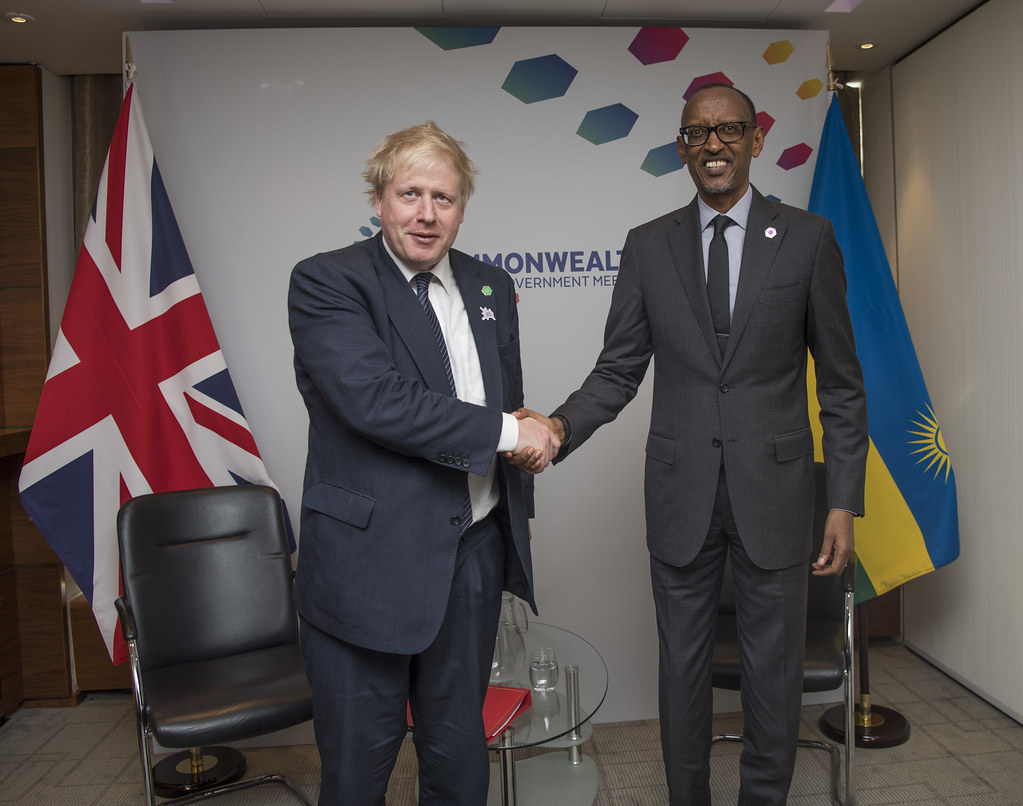
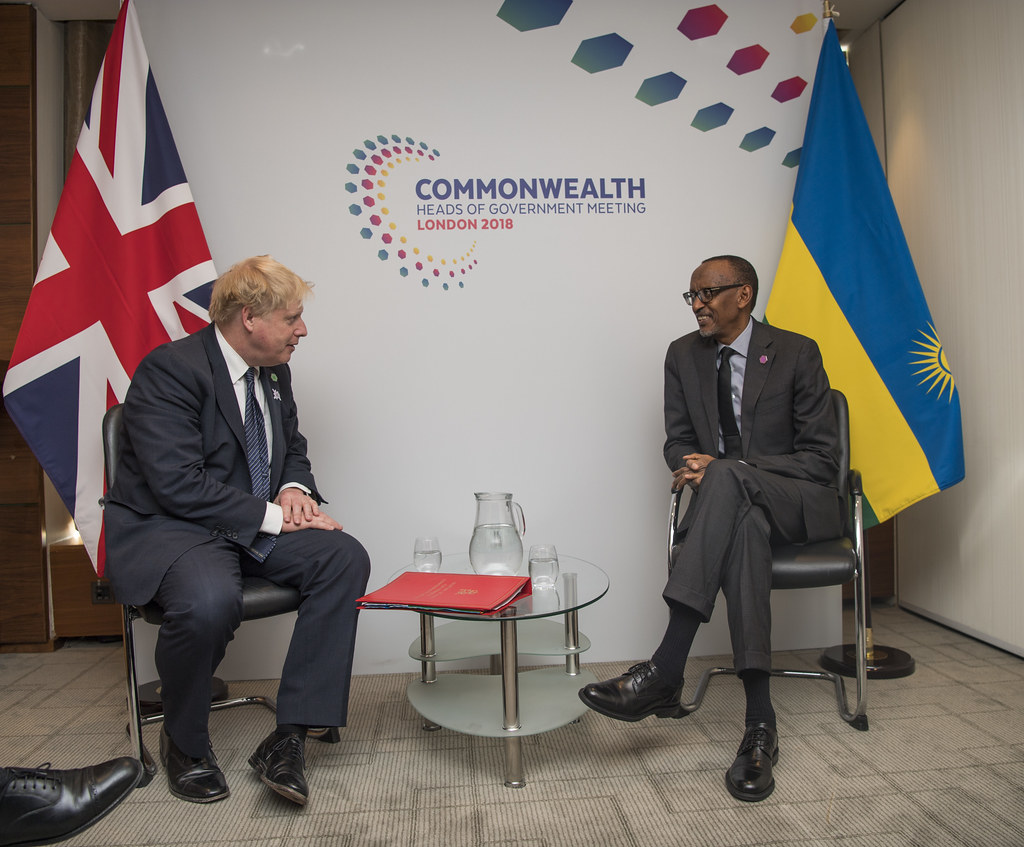
UK Boris Johnson and Rwandan Paul K.

THE AFTERMATH

During and after the conference, counties began taking financial engagements in supporting these goals. Like the UK announcing new support for Commonwealth LGBT rights campaigners published on the official UK government website: https://www.gov.uk/government/news/uk-announces-new-support-for-commonwealth-lgbt-rights-campaigners”

The UK is announcing further funding today to support grassroots human rights defenders and advance equality and freedom across the Commonwealth£2.7 million funding will support civil society organisations working to amend discriminatory laws and practicesPM confirms funding for Birmingham Pride House at the upcoming Commonwealth GamesUK has committed £11m to the protection of LGBT rights as Commonwealth chair-in-officeThe UK is announcing further funding today [Friday] to support grassroots human rights defenders and advance equality and freedom across the Commonwealth.

Despite welcome progress in recent years, many LGBT people in Commonwealth countries continue to face discrimination and criminalisation.The £2.7 million package announced by the Prime Minister at the Commonwealth Heads of Government meeting today will continue work with partners, including The Commonwealth Equality Network and Kaleidoscope Trust, to encourage the reform of outdated laws and policies that fail to protect all individuals from violence and discrimination.The Prime Minister will also confirm funding for the Pride programme at next month’s Commonwealth Games in the UK, with the project being backed by over £40,000 from Government and £50,000 from the Commonwealth Sport Foundation. Delivered by Pride House Birmingham, the programme will include a Pride House presence at the three main athlete village sites for the first time ever at a Commonwealth Games.Since taking over as Chair-In-Office 2018, the UK has invested over £11 million in the promotion and protection of LGBT rights across the Commonwealth.

Prime Minister Boris Johnson said:The Commonwealth is a voluntary grouping of independent and equal nations, but as a collective it has long been a powerful force for good. The values that our members hold dear, from human rights to equality, should apply to everyone in society.I am immensely proud of the UK’s record on LGBT rights – the freedom to love who you want is a core British value and a vital component of any democracy. I hope world will see these values in action at next month’s Commonwealth Games.The majority of the new funding (£2.5m) announced today will go to civil society organisations and human rights defenders working to amend and repeal discriminatory laws and policies, and to safeguard progress in equalities.A further funding allocation will support a secure data storage system for LGBT refugees from Afghanistan, and fund the UK’s continued work alongside the global Equal Rights Coalition as co-chairs.The UK plays a leading role in promoting LGBT rights around the world. Last year, the Prime Minister appointed Nick Herbert (The Rt Hon The Lord Herbert of South Downs CBE PC) as the UK’s Special Envoy on LGBT rights, bringing together the Government’s domestic work and global leadership on the issue.

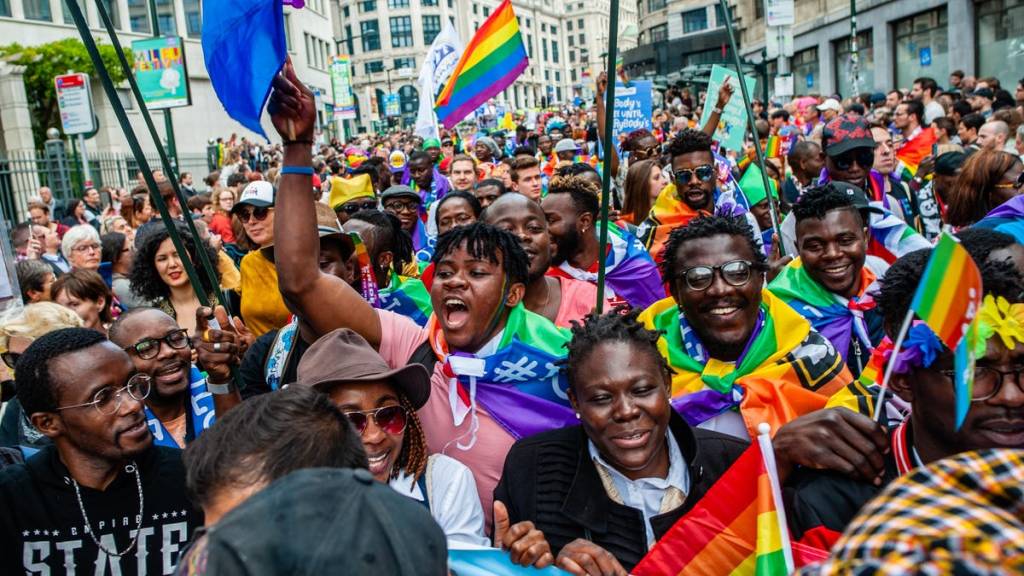
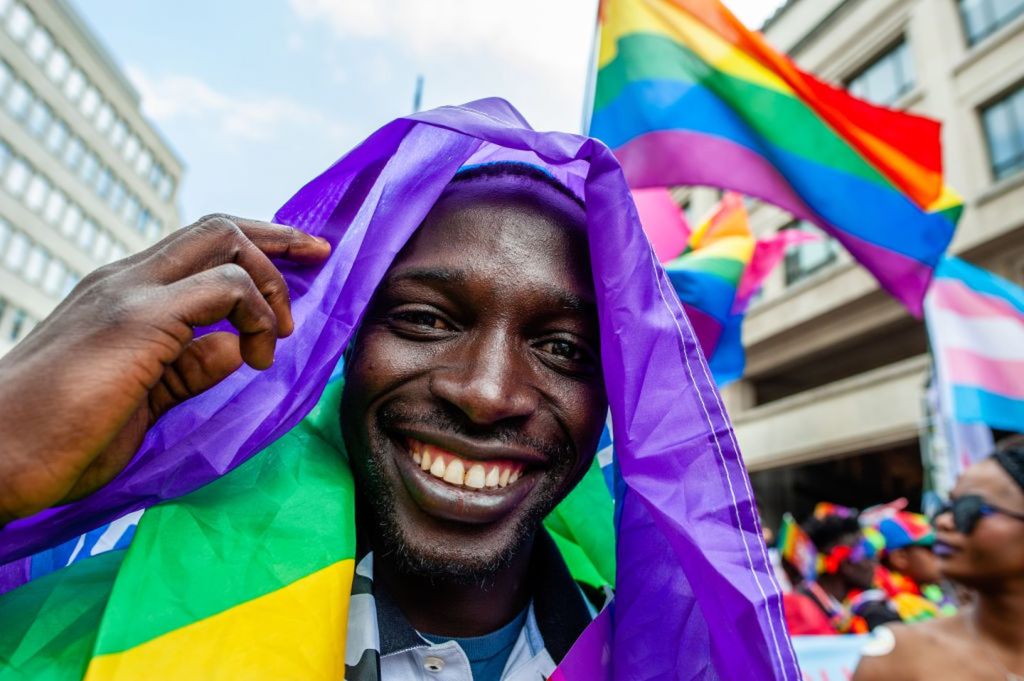
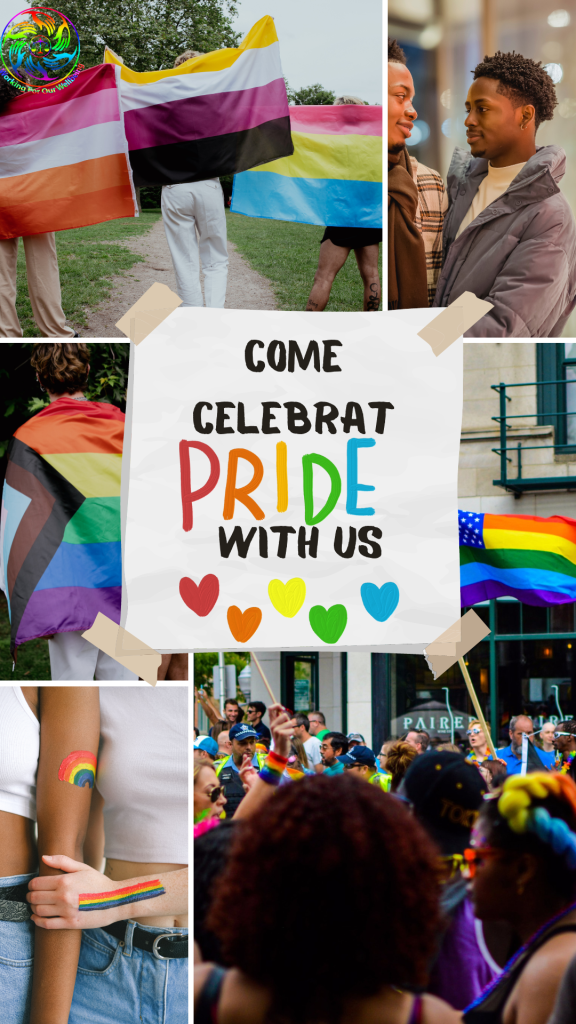
COME CELEBRATE PRIDE 2022 WITH US #PRIDECAMEROON 2022🌈

“When LOVE overcomes homophobia” Drums roll 🥁 let’s roll out the red carpet 🌈.. If someone asked you what the best weapon against homophobia is what would you say?Working For Our Wellbeing invites you to their PRIDW Celebration evening to discover together how much better life can be when Love, tolerance and inclusiveness overcomes homophobia.On the program is, a dress-up session, a projection around the theme, a debate that promises to be rich in discoveries and experiences, and of course a fun moment of karaoke.Not forgetting Refreshments 🤭The address remains the same: Bonamoussadi SABLE beside LE COLLEGE CEFTI. The time is 3PM, Thursday 30 June 2022.NB: don’t come alone, take along a friend to discover this amazing one time celebration in Colour.