HUMAN RIGHTS IN CAMEROON: BETWEEN COMMITMENT AND REALITY

COMMITMENT

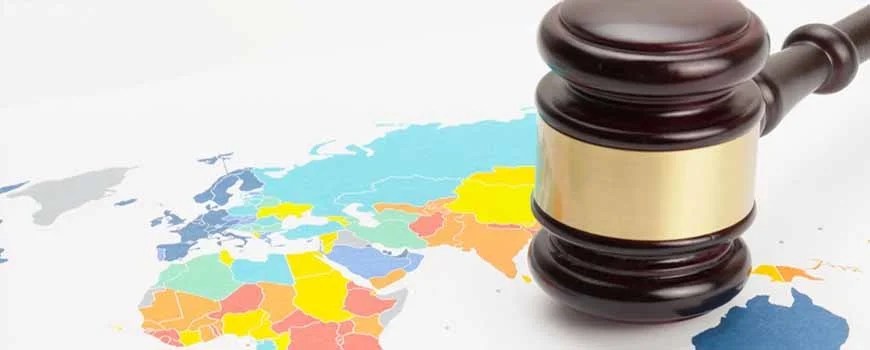
Human rights violations are a global scourge that particularly affects LGBTQ communities, women and children. According to the OHCHR, LGBT people are at risk of arrest, blackmail, extortion, stigmatization, discrimination, violence and in some cases, the death penalty. The figures are alarming: 70 Countries have discriminatory laws that criminalize same sex relationships.

As a signatory and ratifier of several international human rights instruments, Cameroon is required to respect and implement these texts in its national legislation. In particular, the country has ratified the Convention on the Rights of the Child (CRC) and the Convention on the Elimination of All Forms of Discrimination against Women (CEDAW), which commits it to protecting the human rights of all individuals on its territory without discrimination. This means that Cameroon must take concrete measures to prevent and combat human rights violations, particularly those targeting vulnerable groups such as women, children and minorities.
REALITY

In Cameroon, human rights violations are numerous and alarming. According to Amnesty International, armed groups and security forces are accused of committing acts of torture, summary executions, enforced disappearances and sexual violence on a large scale, particularly in the Far North, Northwest, and Southwest regions. More than 580,000 people have been displaced by armed violence in the Northwest and Southwest Regions and dozens of people are being arbitrarily detained, including journalists, political opponents and human rights activists.

The consequences of these violations are devastating. LGBT people are often deprived of their fundamental rights, such as the right to life, liberty and security. Women and children are often victims of violence, trafficking and exploitation, which can lead to long term physical and psychological consequences. Privileged social classes may abuse their position to oppress the less powerful, thereby perpetuating inequality and discrimination.

It is essential to take action to end these violations and promote human rights. The UN, international organizations, governments and local communities must work together to protect the rights of LGBT people, women and children. Civil society organizations play a crucial role in promoting human rights and protecting vulnerable groups by providing essential support and services to victims of violence and discrimination.

OUTLOOK

How can the human rights situation in Cameroon be improved? Should the Cameroonian government repeal discriminatory laws, including Article 347/1 of the Penal Code and adopt laws that explicitly protect the rights of LGBTQ people? Should human rights protection mechanisms, such as the National Human Rights Commission, be strengthened and their independence guaranteed? Should civil society and human rights organizations be supported and protected in their advocacy and awareness raising work? And ultimately, can the international community play an important role by exerting diplomatic pressure and providing technical and financial assistance to help Cameroon improve its human rights situation?
Cameroun, levons-nous

PLUS JAMAIS

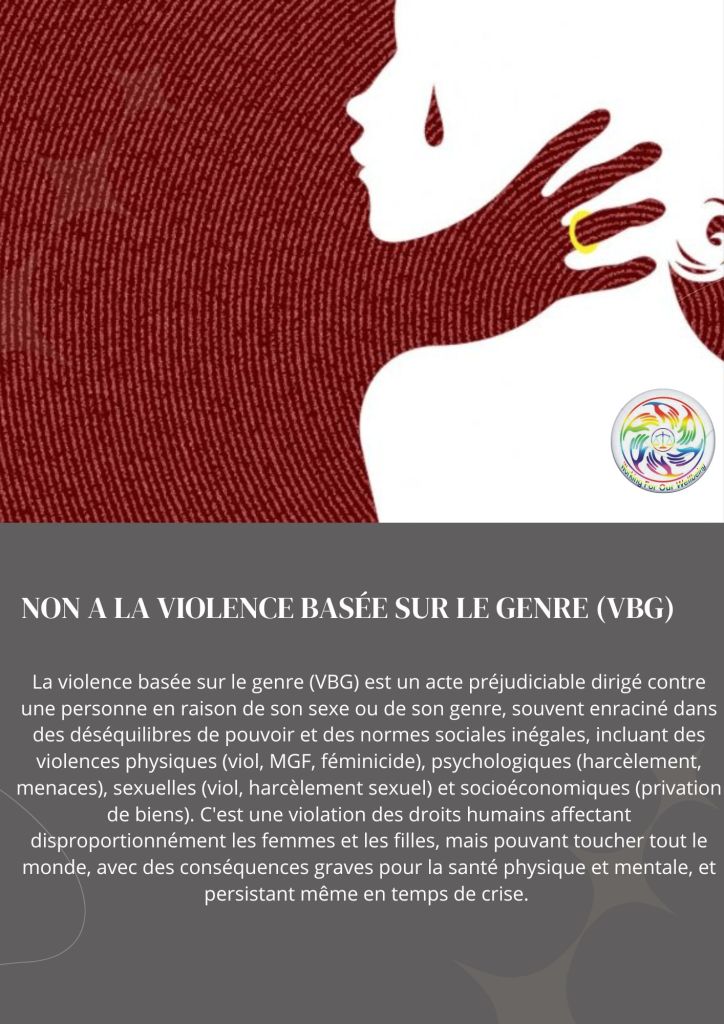
Les violences basées sur le genre (VBG) sont un problème majeur en Afrique et au Cameroun, où les femmes et les jeunes filles sont particulièrement vulnérables. Selon les données de l’ONU Femmes, en Afrique, 1 femme sur 3 a subi des violences physiques ou sexuelles au cours de sa vie.

Les formes de violences basées sur le genre incluent les violences physiques et sexuelles, les mariages forcés et précoces, la mutilation génitale féminine, le harcèlement sexuel et la violence conjugale. Les conséquences des VBG sont graves et peuvent être dévastatrices pour les femmes et les jeunes filles, notamment les blessures physiques et psychologiques, les problèmes de santé mentale, la perte de scolarité et d’emploi, et l’isolement social. La situation au Cameroun est particulièrement préoccupante. Selon les données du Ministère de la Promotion de la Femme et de la Famille, en 2020, plus de 10 000 cas de VBG ont été enregistrés, dont 70% concernaient des femmes et des jeunes filles.

Il est essentiel de prendre des mesures pour lutter contre les VBG et protéger les femmes et les jeunes filles, notamment sensibiliser la population sur les dangers des VBG, renforcer les lois et les politiques pour protéger les victimes, fournir un soutien aux victimes de VBG et promouvoir l’éducation et l’autonomisation des femmes et des jeunes filles.

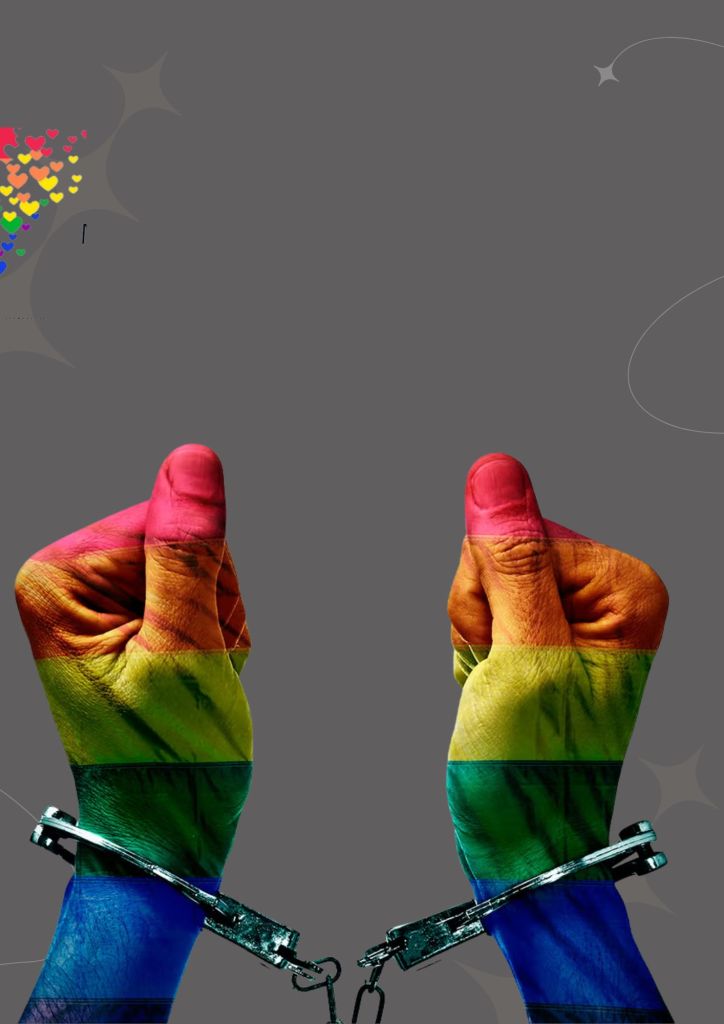
 La violence basée sur le genre (VBG) ciblant les personnes LGBTQI+ est une forme de violence dirigée contre elles en raison de leur orientation sexuelle ou identité de genre, et non leur sexe biologique seul, incluant des agressions physiques (viol, meurtre), psychologiques (menaces, harcèlement) ou économiques (discrimination) pour les forcer à se conformer à des normes hétérosexuelles ou cisgenres. Ces actes, souvent perpétrés dans un contexte d’inégalité des genres et de préjugés, constituent une grave violation des droits humains.

la norme

Les droits humains visant l’égalité entre les sexes et les genres, protégeant chaque personne de la discrimination, de la violence et de l’exclusion basées sur le sexe, l’identité de genre ou l’expression de genre, incluant des droits fondamentaux comme l’égalité d’accès aux opportunités, à l’éducation, à la santé, au travail, à la participation politique et la protection contre toutes formes d’abus, afin d’assurer la dignité et l’autonomie de tous, en s’appuyant sur des instruments comme la CEDAW et les résolutions de l’ONU. 

Principes fondamentaux 

  • Égalité et non-discrimination : Les lois et politiques doivent garantir un traitement égal pour tous, sans distinction de sexe ou de genre, comme l’exigent les traités internationaux.
  • Justice de genre : Assurer que le système judiciaire soit équitable et tienne compte des réalités vécues par les hommes, les femmes et les personnes de toutes identités de genre.
  • Autonomisation : Renforcer les capacités des femmes et des filles pour qu’elles participent pleinement à la société, ce qui est crucial pour le développement et la réduction de la pauvreté. 

Droits spécifiques

  • Droit à une vie sans violence : Protection contre la violence domestique, sexuelle et liée aux conflits.
  • Droits économiques : Égal accès à l’emploi, à un salaire égal et à la propriété.
  • Droits sociaux et civils : Égal accès à l’éducation, aux soins de santé, à la participation politique (vote, pouvoir décisionnel).
  • Droits des personnes transgenres et intersexes : Respect de la vie privée, de l’identité et de l’expression de genre, reconnaissance légale de leur identité. 

Enjeux et objectifs

  • Intégration de la perspective de genre : Appliquer une approche qui analyse et prend en compte les différences de genre dans toutes les politiques publiques.
  • Rôle dans le développement durable : L’égalité des genres est une condition nécessaire au développement durable, à la paix et à la sécurité.
  • Défis persistants : Malgré les progrès, la discrimination et la violence basées sur le genre restent systémiques et mondiales, nécessitant des efforts continus. 

Une lueur d’espoir au Cameroun : notre combat pour les droits humains et l’égalité, RAPPORT ANNUEL 2024

A Working For Our Wellbeing (WFW), nous sommes profondément engagés à bâtir une société plus juste et plus équitable pour tous au Cameroun. Alors que nous réfléchissons à l’année 2024, notre rapport annuel brosse un tableau saisissant des défis auxquels sont confrontées les minorités sexuelles et de genre (MSG) dans notre pays, ainsi que de l’engagement sans faille de notre équipe à faire une réelle différence.


La dure réalité que nous observons au Cameroun
Le Cameroun, une nation que nous aimons pour sa riche culture et sa diversité, est malheureusement confronté à des préjugés profondément enracinés. Notre rapport révèle une réalité crue : les personnes SGM sont confrontées à des lois discriminatoires, à des violences physiques et psychologiques et à une exclusion sociale généralisée. Les violences sexistes, y compris les crimes haineux et la torture, restent souvent impunies, laissant les personnes SGM et leurs alliés vulnérables et marginalisés.

« La discrimination et la violence à l’égard des minorités sexuelles et de genre persistent, et notre engagement en faveur des droits humains est plus crucial que jamais », affirmons-nous dans notre rapport. Pour nous, il ne s’agit pas seulement d’une statistique, mais d’un appel à l’action qui alimente notre travail quotidien.

WFW : notre bouée de sauvetage pour les personnes vulnérables
Dans ce contexte difficile, WFW est une bouée de sauvetage qui offre une gamme complète de services pour soutenir et autonomiser les personnes MSG. En 2024, notre travail a été tout simplement inspirant, et nous sommes extrêmement fiers de l’impact que nous avons eu :

• Fournir des refuges sûrs : nous offrons un hébergement d’urgence aux jeunes MSG rejetés par leur famille, les protégeant ainsi des dangers de l’itinérance et de la violence.
• Guérison et autonomisation : grâce à un soutien psychologique, nous aidons les victimes de violence sexiste à reconstruire leur estime de soi et à développer des mécanismes d’adaptation sains.
• Lutte pour la justice : nous fournissons une assistance juridique aux personnes arbitrairement arrêtées et emprisonnées, afin de garantir la protection de leurs droits.
• Renforcement des connaissances : nous menons des campagnes de sensibilisation afin d’éduquer les communautés sur la santé sexuelle, les droits humains et l’importance de l’inclusion.
• Autonomisation économique : nous intégrons les personnes dans des programmes d’autonomisation, en leur fournissant une formation professionnelle et une aide économique pour créer de petites entreprises.


Principales réalisations célébrées en 2024

Nous sommes ravis de partager certaines de nos réalisations remarquables :
• Soutien complet fourni à 55 personnes issues des communautés SGM et à leurs familles, y compris des soins psychologiques et une assistance médicale/sociale.
• 15 personnes intégrées dans des programmes d’autonomisation, dont 5 ont bénéficié d’une formation professionnelle et 10 ont reçu une aide économique.
• Assistance juridique fournie à des personnes arrêtées arbitrairement, ce qui a conduit à la libération de 4 prisonniers.
• 60 cas de violence sexiste ont été documentés dans les 3 régions où le projet a été mis en œuvre.
• 16 victimes d’arrestation et d’emprisonnement arbitraires ont bénéficié d’une assistance juridique.

Les partenariats : la clé de notre succès
Nous sommes convaincus que la collaboration est essentielle. Nous travaillons activement en partenariat avec des donateurs, des organisations de la société civile, des forces actives, des autorités administratives, les médias, des militants et des défenseurs des droits humains afin d’amplifier notre impact et d’atteindre des objectifs ambitieux.

Les défis auxquels nous sommes confrontés et la voie à suivre
Malgré nos succès, nous sommes confrontés à des défis importants, notamment le manque de données, les contraintes financières et l’opposition des groupes conservateurs. Cependant, nous restons résilients et déterminés.

À l’horizon 2025, nous nous engageons à :
• Renforcer notre présence sur le terrain et étendre nos activités.
• Développer de nouveaux programmes et des projets innovants.
• Augmenter notre capacité de financement.
• Renforcer la collaboration avec nos partenaires.
• Intensifier notre plaidoyer en faveur d’une réforme juridique et d’une meilleure protection des minorités sexuelles et de genre.

Rejoignez notre mouvement

Notre rapport annuel est plus qu’un simple document ; il témoigne de la puissance de la compassion, de la résilience et de l’engagement indéfectible en faveur des droits humains. C’est une histoire que nous voulons partager et un mouvement auquel nous espérons que vous vous joindrez.

Restez connecté !
Nous vous invitons à explorer notre site web pour en savoir plus sur notre travail, lire des histoires inspirantes et découvrir comment vous pouvez vous impliquer. Consultez régulièrement notre site pour connaître les dernières actualités, les nouveautés et les possibilités de soutenir notre mission. Ensemble, nous pouvons construire un avenir meilleur pour tous au Cameroun.

Lien pour faire un don:   https://ourwellbeingcameroon.org/support-us/

Lien pour nous contacter :    https://ourwellbeingcameroon.org/contact/

A Beacon of Hope in Cameroon: Our Fight for Human Rights and Equality, ANNUAL REPORT 2024

At Working For Our Wellbeing (WFW), we’re deeply committed to building a more just and equitable society for all in Cameroon. As we reflect on 2024, our annual report paints a vivid picture of the challenges faced by sexual and gender minorities (SGM) in our country, and the unwavering dedication of our team to making a real difference.

The Harsh Reality We See in Cameroon

Cameroon, a nation we love for its rich culture and diversity, sadly grapples with deeply ingrained prejudices. Our report reveals a stark reality: SGM individuals face discriminatory laws, physical and psychological violence, and pervasive social exclusion. Gender-based violence, including hate crimes and torture, often goes unpunished, leaving SGM individuals and their allies vulnerable and marginalized.

“Discrimination and violence against sexual and gender minorities persist, and our commitment to human rights is more crucial than ever,” we state in our report. This isn’t just a statistic for us; it’s a call to action that fuels our daily work.

WFW: Our Lifeline for the Vulnerable

Amidst this challenging landscape, WFW stands as a lifeline, offering a comprehensive range of services to support and empower MSG individuals. In 2024, our work has been nothing short of inspiring, and we’re incredibly proud of the impact we’ve had:
• Providing Safe Havens: We offer emergency accommodation for young MSG individuals facing family rejection, protecting them from the dangers of homelessness and violence.
• Healing and Empowerment: Through psychological support, we help victims of GBV rebuild their self-esteem and develop healthy coping mechanisms.
• Fighting for Justice: We provide legal assistance to those arbitrarily arrested and imprisoned, ensuring their rights are protected.
• Building Knowledge: We conduct awareness-raising campaigns, educating communities about sexual health, human rights, and the importance of inclusion.
• Economic Empowerment: We integrate individuals into empowerment programs, providing vocational training and economic assistance to start small businesses.

Key Achievements We Celebrated in 2024

We’re thrilled to share some of our remarkable achievements:
• Comprehensive support provided to 55 individuals from SGM communities and their families, including psychological care and medical/social assistance.
• 15 individuals integrated into empowerment programs, with 5 benefiting from vocational training and 10 receiving economic assistance.
• Legal support provided to people arbitrarily arrested, leading to the release of 4 prisoners.
• 60 cases of GBV documented in the 3 regions where the project was implemented.
• 16 victims of arbitrary arrest and imprisonment received legal assistance.

Partnerships: Our Key to Success

We firmly believe that collaboration is essential. We actively partner with donors, civil society organizations, active forces, administrative authorities, the media, activists, and human rights defenders to amplify our impact and achieve ambitious goals.

Challenges We Face and the Road Ahead

Despite our successes, we face significant challenges, including limited data, funding constraints, and opposition from conservative groups. However, we remain resilient and determined.

Looking ahead to 2025, we’re committed to:

• Strengthening our presence in the field and expanding our activities.
• Developing new programs and innovative projects.
• Increasing our funding capacity.
• Strengthening collaboration with our partners.
• Intensifying advocacy for legal reform and better protection for sexual and gender minorities.

Join Our Movement

Our annual report is more than just a document; it’s a testament to the power of compassion, resilience, and unwavering commitment to human rights. It’s a story we want to share, and a movement we hope you’ll join.

Stay Connected!

We invite you to explore our website further to learn more about our work, read inspiring stories, and discover how you can get involved. Check back regularly for updates, news, and opportunities to support our mission. Together, we can build a brighter future for all in Cameroon.

Link to Donate https://ourwellbeingcameroon.org/support-us/

Link to Contact Us https://ourwellbeingcameroon.org/contact/


What we want

We are eager to welcome talented and passionate individuals from all backgrounds. We believe that everyone should have the opportunity to contribute and learn within our organization.

We value the diverse experiences and perspectives of our interns and recognize the importance of fostering an inclusive environment. We are committed to creating a safe and respectful workplace that is free from discrimination and harassment. We strive to ensure that our interns feel supported and respected during their time with us and our organization.

            Internship Position Available 

We are seeking candidates for three amazing intern positions: Communications, Monitoring and Evaluation, and Human Rights.

  • The Communication Intern will be in charge of developing our messaging and outreach to ensure that our message is heard. He/She will be responsible for creating content for our various channels, such as newsletters, social media, and websites, as well as engaging with the community directly through events, workshops, and more. He/She will be supervised by the head of the communication department. Learning as an intern will be practical.
  • The Intern on Monitoring and Evaluation role, He/She will be focusing on analyzing and evaluating our activities and programs to ensure they are making the impacts we intend. He/She will be carrying out field visits and research to measure our success, and providing crucial feedback for implementing better strategies. He/She will be supervised by the head of the Monitoring and Evaluation department. Learning as an intern will be practical.

-Finally, the Intern on the Human Rights role, He/She will be required to Research and analyze on international human rights topics, Develop and implement human rights advocacy strategies, Write reports and other documentation on advocacy initiatives. He/She will be supervised by the head of the Human Rights Coordination department. Learning as an intern will be practical.

TECHNICAL EXPERTISE, SKILLS AND KNOWLEDGE

Languages required:

  • Excellent writting and verbal communication skills in English and or French. Being Bilingual will be an added advantage. Skills:
  • Proficiency in Microsoft Word and Excel
  • Flexible work attitude and ability to work, and learn as a team
  • Strong leadership and communication skills
  • Excellent relationship building skills – networking, influencing and stakeholder management skills
  • Experience in capacity building of others
  • Holds self and team accountable for delivering results; Behaviors:
  • Role model to our values and behaviors both internally and externally.
  • Engages sensitively with community members on issues of gender equality and inclusion, demonstrating an understanding of the local culture and context.
  • Apply participatory influencing methodologies both internally and externally
  • The ability to build collaborative working relationships
  • Ability to influence
  • Uses creativity to challenge the norm and promote innovation and thinks and acts for the wider organization.
  • Communicates effectively at a high level and with a range of appropriate styles for different audiences.
  • Builds capability through knowledge sharing, networking, mentoring, coaching and advocates the importance of knowledge management. Application:

If you are interested in applying for one of the positions, please send a CV and cover letter to our email address with Subject “Application for Internship”.

info@ourwellbeingcameroon.org

We look forward to hearing from you!

Politicizing Homosexuality, A weapon by Repressive Regims (Case study: Cameroon)

Issues of same-sex relationships, gay and lesbian rights are the subject of public and political controversy in many Cameroon. Frequently, these controversies receive widespread attention both locally and globally, such as with the Anti-Homosexuality law(347-1) which provides severe punishment for anyone having sexual relations with a person of the same sex with imprisonment for from 6months to 5 years with a fine of from 20000frs –  200000frs. These cases tend to be presented as revealing a deeply-rooted homophobia in Cameroon fuelled by politicians and cultural traditions. But so far little energy is expended in understanding these controversies in all their complexity and the critical role politics plays in all this. 

           What is their History 

Over the past decades, Most politicians in Cameroon and around Africa have understood the existence of Homophobia in Cameroon and have been using It to their advantage. Knowing very well that most people say Homosexuality is antiafrican, most politicians have used this to their advantage to gain political popularity and go as far as winning elections. This is so because during their campaigns, they promise the masses that they will fight all western ideologies being imposed on them especially the subject or question of LGBTIQ persons. 

The fact that Cameroon’s society is characterised by a strongly homophobic climate is unhelpful. Homosexuality is not only condemned by the media, but also strongly opposed by religious figures. Police officers and civilians are instigated to oppress the LGBTIQ community on the misconception that, as homosexuals are not recognised, they do not hold legal rights. This represents a clear breach of Article 2 of the African Charter on Human and People’s Rights, which states that the principle of non-discrimination provides the foundation for the enjoyment of all human rights.

         The plight of LGBTIQ+ persons 

Minorities are subjected to harassment, intimidation and even death by homophobic fanatics and conservative leaders as they try to impose their own interpretation of religious scriptures and punish those who do not agree with their interpretation of religious precepts and follow their rulings. Application of such measures has impacted the safety and security of the gender-minority community, as its members are forced to hide their identities, and cannot speak about their sexual orientation. Government agencies and civil society organizations do not advocate for the rights of this community, and deliberately avoid any discussion about them, fearing a backlash from forces of law and order who are ever ready to crackdown on any person who is pro LGBTIQ. A lack of public education and social awareness programs about the gender-minority community has contributed to the perpetuation of discrimination, hatred and bigotry toward them − a community that is part and parcel of the social fabric of modern Cameroon.

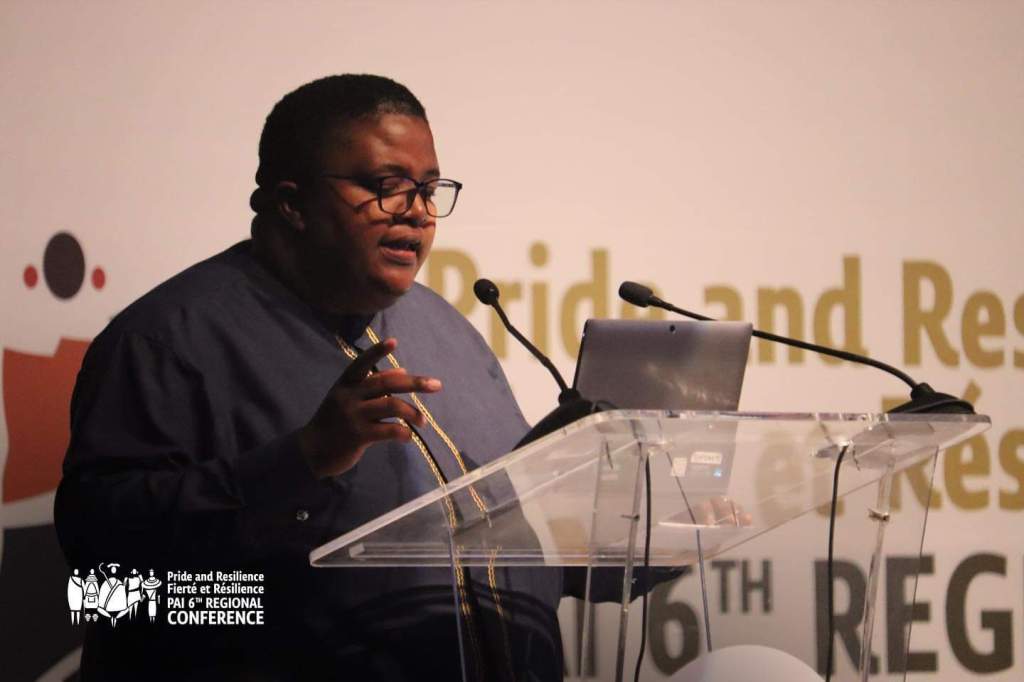
Last week, Mauritius played host to the Pan African ILGA 6th Regional Conference, a significant gathering of over 400 African Sexual and Gender Minority (SGM) activists and organizations. Under the theme “Pride and Resilience,” the conference aimed to chart the progress of the continent in terms of (SGM) rights, address the challenges they face, and explore innovative ways to advocate for equality and respect.

A Growing Movement:

Africa has witnessed an inspiring rise in the LGBTQIA rights movement in recent years, with countless individuals and organizations dedicating their efforts to advocating for a more inclusive and accepting society. The Pan African ILGA Conference serves as a testament to the strength of this movement and its enduring commitment to the fight for equality.Discussion and Progress:The conference involved vigorous discussions, workshops, and interactive sessions where participants examined the current state of LGBTQIA rights across the continent. Activists shared their experiences, successes, and challenges, seeking to learn from one another and collaborate to find effective strategies to further the cause.One of the primary goals of the conference was to identify the progress made in recent years. African nations such as South Africa, Seychelles, and Mozambique have shown significant strides towards recognizing and protecting LGBTQIA rights, enacting legislation, and creating safe spaces. This progress offers hope and inspires activists to continue pushing for change across the continent.Challenges Faced:While progress has been made, the road to LGBTQIA equality in Africa remains fraught with challenges. Throughout the conference, participants highlighted the various forms of discrimination, violence, and societal stigmatization that LGBTQIA individuals face daily. Legal and cultural barriers continue to impede change, making it crucial to confront these issues head-on.From criminalization to deeply ingrained cultural prejudices, the activists acknowledged the uphill battle they face. They also emphasized the importance of fostering collaboration between local LGBTQIA organizations, human rights advocates, and governmental bodies to create an inclusive society that respects and protects the rights of all individuals, irrespective of their sexual orientation or gender identity.Building Advocacy and Resilience:The Pan African ILGA Conference not only showcased the diverse voices of African LGBTQIA activists but also reaffirmed the resilient spirit that drives them. The event provided a platform to discuss effective advocacy strategies and share experiences, enabling activists to build networks, exchange knowledge, and forge robust alliances that amplify their collective voices.Participants also focused on creating awareness campaigns that challenge societal perceptions and dismantle stereotypes surrounding LGBTQIA individuals. By sharing personal stories and experiences, activists aim to foster empathy, understanding, and acceptance among broader communities, with the hope of securing a more inclusive future.Empowering Future Generations:One of the fundamental aspects of the conference was empowering young activists and fostering intergenerational collaboration. Recognizing the power of youth in promoting change, the attendees strived to nurture and mentor emerging leaders, empowering them to take the movement forward. By ensuring that the fight for LGBTQIA rights lives on in future generations, the conference aimed to establish a sustainable and enduring impact in Africa.2what does this mean for the African Human Rights point of view on sexual and gender minority issues?what is the way forward and what does this conference offer to the broader African context.The Pan African ILGA Conference holds significant implications for the African Human Rights perspective on sexual and gender minority issues. Here’s an overview of its impact and the way forward:1. Acknowledgment and Recognition: The conference sheds light on the urgent need to acknowledge the rights and dignity of sexual and gender minorities in Africa. By bringing together activists, organizations, and stakeholders in this arena, the conference serves as a platform to recognize the issues faced by LGBTQIA individuals in Africa, highlighting their struggles, hopes, and aspirations.2. Building Networks and Collaboration: The conference offers a unique opportunity for activists and organizations to build networks, exchange knowledge, and collaborate on advocacy strategies. This interconnectivity fosters a united front in addressing LGBTQIA rights issues, enabling a broader impact through shared experiences, resources, and strategies. By promoting collaboration, the conference encourages sustained efforts to advocate for change across the continent.3. Collective Strength and Solidarity: The conference reinforces the importance of collective strength and solidarity in the fight for LGBTQIA rights. By bringing together activists from diverse backgrounds and nations, the event showcases the resilience and determination of the LGBTQIA community across Africa. This shared platform promotes a sense of solidarity, empowering activists to confront common challenges and navigate obstacles with renewed vigor.4. Amplifying Voices and Raising Awareness: The conference provides a space for LGBTQIA activists to amplify their voices and raise awareness about the challenges faced by sexual and gender minorities in Africa. By highlighting the personal stories, struggles, and triumphs of LGBTQIA individuals, the conference aims to increase empathy, understanding, and acceptance within broader African societies. This enhanced awareness of LGBTQIA issues has the potential to challenge harmful stereotypes, change attitudes, and shift societal perceptions.5. Strengthening Legal and Policy Frameworks: The conference serves as a platform to discuss legal and policy frameworks related to LGBTQIA rights in Africa. By sharing best practices and lessons learned, activists can develop strategies to advocate for progressive legal reform and policy changes. This may include decriminalizing same-sex relationships, enacting anti-discrimination laws, and promoting inclusive education initiatives. Through coordinated efforts, the conference aims to bring about positive changes at both national and regional levels.Moving forward, the conference offers tremendous potential for the broader African context:1. Promoting Social Change: By encouraging dialogue and understanding, the conference has the power to challenge deeply ingrained cultural prejudices and societal norms regarding sexual and gender minorities. Its ripple effects can extend beyond the attendees to broader African communities, fostering societal change, and fostering acceptance and inclusion.2. Empowering Grassroots Movements: The conference emphasizes the importance of grassroots activism in driving change. By empowering local LGBTQIA organizations and emerging activists, the event strengthens their capacity to advocate for LGBTQIA rights from within their respective communities. This localized approach allows for tailored strategies that resonate with African contexts, contributing to sustainable and long-lasting change.3. Engaging with Governments and Institutions: The conference enables activists to engage with governmental bodies, policymakers, and regional institutions to advocate for LGBTQIA rights. Through dialogue and collaboration, conference participants can seek to influence policy decisions and initiatives that prioritize the rights of sexual and gender minorities. By working closely with governments, the conference contributes to creating an enabling environment for legal reforms and policy changes.Conclusion:The Pan African ILGA 6th Regional Conference in Mauritius served as a powerful platform for African LGBTQIA activists and organizations to come together, celebrate their progress, and strategize for the future. The event showcased the resilience and determination of these individuals in the face of adversity and discrimination.Moving forward, the participants will harness the knowledge and connections developed during the conference to continue pushing boundaries, challenging stereotypes, and advocating robustly for LGBTQIA rights. Together, they stand poised to build a more inclusive Africa, where every individual, regardless of sexual orientation or gender identity, can live with dignity, equality, and pride.